





The Hidden World of Plant Plumbing
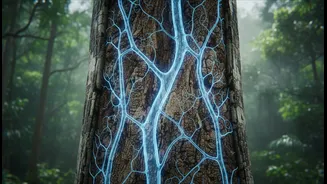
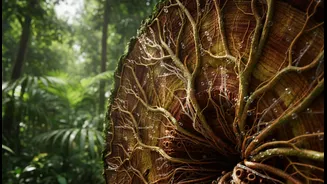
At the heart of this issue is a concept scientists call 'plant plumbing'. Much like the circulatory system in a human body or pipes in a building, trees have a sophisticated network to transport water. This system, primarily made of tissues called xylem,
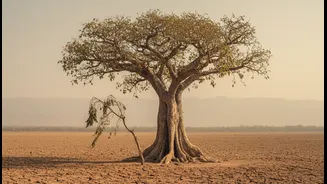
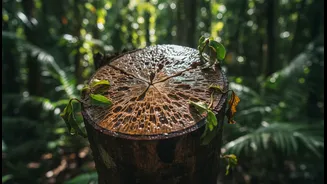
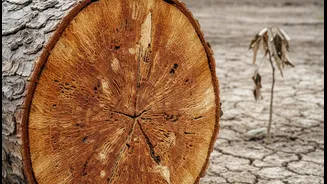
pulls water from the roots all the way to the topmost leaves. When water is abundant, this system works flawlessly. But during a drought, it comes under immense stress. Air bubbles, known as embolisms, can form in the xylem, blocking water flow much like a clot in an artery. If too many of these blockages occur, the tree can effectively die of thirst, even if there's still some moisture in the ground. Understanding this internal plumbing is the key to figuring out which trees will survive the increasingly frequent and intense droughts predicted with climate change.
A Tale of Two Trees
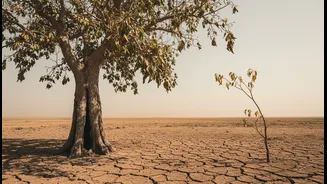
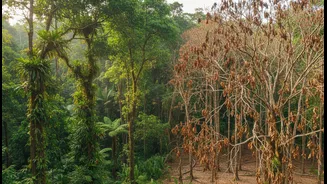
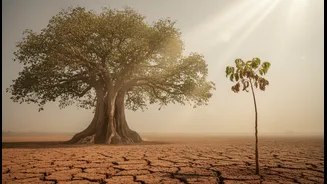
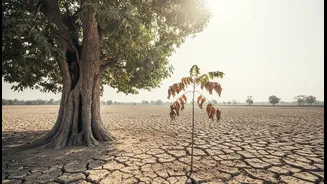
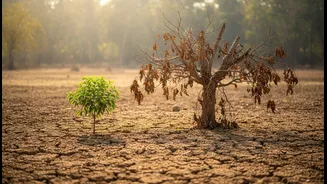
For a long time, the conventional wisdom was that tall trees were the most vulnerable to drought. The logic seemed simple: it takes a lot more effort to pull water 70 metres up to the canopy than it does just a few metres. Gravity and the friction within the narrow xylem tubes create immense resistance. A study tracking nearly two million trees in California found that large trees died at twice the rate of small ones during an extreme drought. Shorter trees, however, face their own set of challenges. They live in the crowded, shady understory, where they must compete fiercely for both sunlight and the water available in the top layers of soil. Their smaller, shallower root systems mean they can't tap into deep water reserves when the surface dries out. This creates a fascinating paradox where both the giants of the forest and the saplings at their feet are uniquely vulnerable, but for very different reasons.
Gamblers and Savers
In response to water stress, trees adopt one of two main strategies. Some are 'isohydric', which is a conservative, safety-first approach. When drought hits, these trees quickly close the tiny pores on their leaves, called stomata, to prevent water loss. This protects their plumbing system but comes at a cost: by closing their pores, they also stop photosynthesising, essentially putting their growth on hold to survive. Other trees are 'anisohydric', the risk-takers of the plant world. They keep their pores open longer, continuing to photosynthesise and grow even as the soil dries out. This allows them to outcompete their conservative neighbours in mild droughts, but it puts them at a much higher risk of catastrophic plumbing failure if the drought becomes severe and prolonged. The balance of these two strategies within a forest is a crucial factor in its overall resilience.
Surprising Resilience in Giants
Recent research has begun to challenge the idea that height is always a disadvantage. A groundbreaking study on the world's tallest tropical trees, the dipterocarps of Borneo, found these giants have developed remarkable adaptations. As they grow, their internal plumbing changes; the water-conducting vessels at the base of the trunk become wider, compensating for the increased resistance of moving water to great heights. Their leaves at the top of the canopy also become tougher and more resistant to wilting. During a major El Niño drought event, researchers found that these tall trees showed no greater decline in growth than their shorter neighbours, suggesting their adaptations were working effectively to prevent water stress. This suggests that at least for some species, the giants have evolved to cope with the unique challenges of their stature.
Why This Matters for India and the World
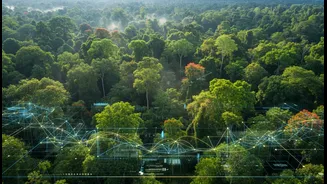
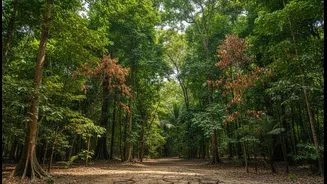
Tropical forests are often called the 'lungs of the planet' for their role in absorbing carbon dioxide and producing oxygen. They are critical drivers of global weather patterns, including the monsoons that are vital for agriculture in India. What happens in the Amazon or Borneo does not stay there. The 'savannization' of the Amazon, for instance, could have far-reaching impacts on regional and global climate. If droughts preferentially kill off the largest trees, which store the majority of a forest's carbon, that carbon is released into the atmosphere, accelerating climate change. Alternatively, if smaller, understory trees are lost, it affects the forest's ability to regenerate. Understanding how trees of different sizes and species will respond to a drier future is therefore not just an academic exercise—it is essential for predicting the future of our planet's climate and biodiversity.