
1. A Bold Pop of Paint
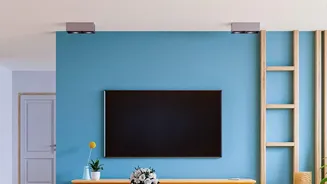
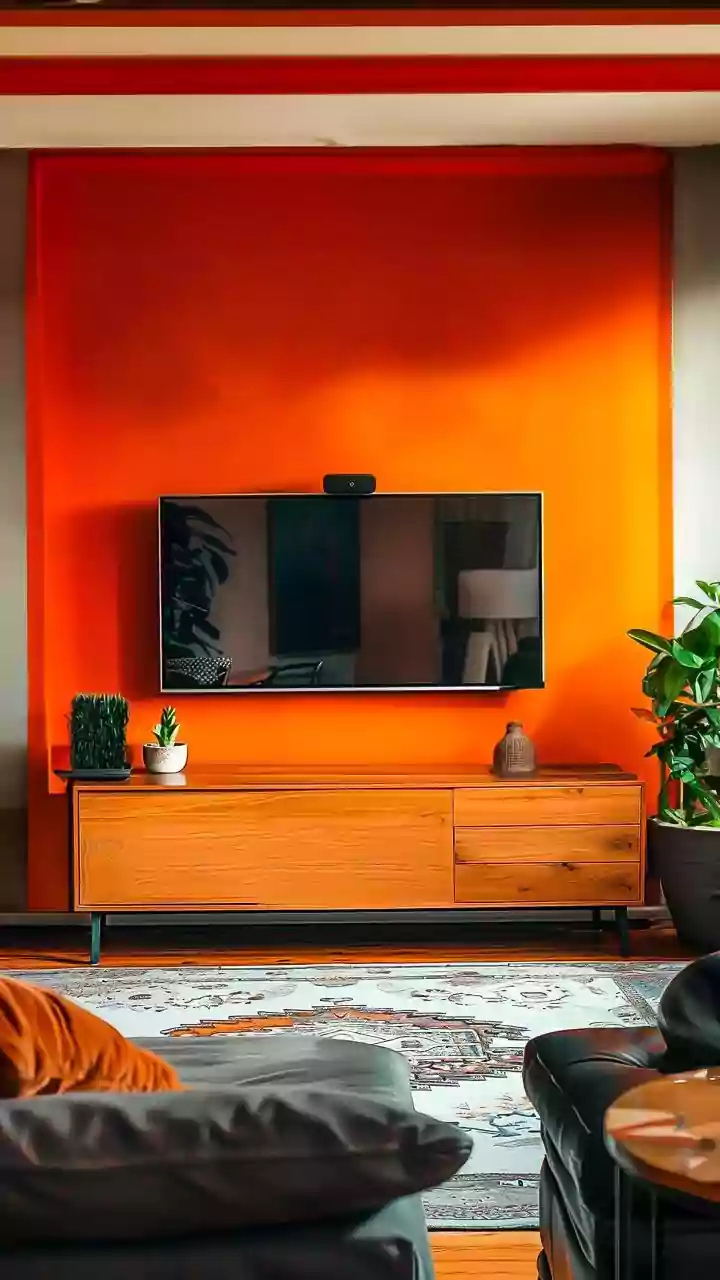
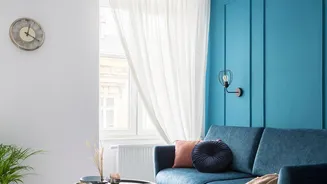
The most straightforward and popular way to create an accent wall is with a can of paint. A single wall painted in a rich, contrasting colour can dramatically alter the mood of a room, creating depth and drawing the eye. Deep blues, emerald greens, and warm
terracotta are excellent choices that add sophistication. To ensure a professional finish, the key is preparation. Use high-quality painter's tape for crisp, clean lines and apply at least two coats for even, saturated colour. The best wall to choose is often the one you see first when entering a room or the wall behind a significant piece of furniture like a sofa or bed, as this naturally anchors the space.
2. Textural Wood Panelling
Wood adds warmth, texture, and architectural interest to a space. Options range from classic board and batten to modern vertical slats or rustic shiplap. Board and batten, where thin strips of wood are installed in a grid pattern, offers a timeless look that can be painted a single colour for a subtle, elegant effect. Vertical wood slats can make a room feel taller, while reclaimed wood planks bring a rustic, natural charm. This type of project can often be completed in a weekend and is surprisingly budget-friendly, yet it provides a high-end, custom finish.
3. Exposed Brick or Stone Veneer
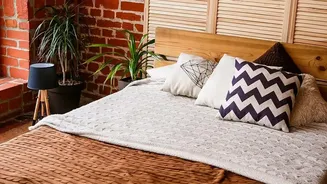
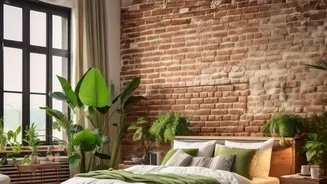
For a touch of industrial chic or rustic charm, an exposed brick or stone wall is a powerful choice. It introduces a raw, natural texture that contrasts beautifully with softer furnishings. While true exposed brick is a lucky find, achieving the look with faux brick or stone veneer panels is an accessible DIY project. These modern panels are lightweight and designed for interior use, providing the character of masonry without the complex installation. This idea works especially well in living rooms and kitchens to create a warm, inviting atmosphere.
4. A Personal Gallery Wall
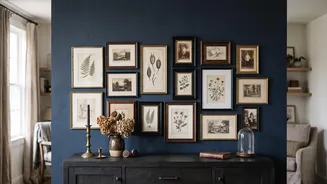
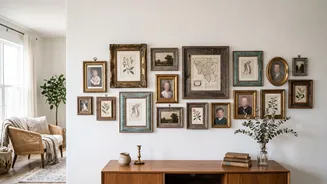
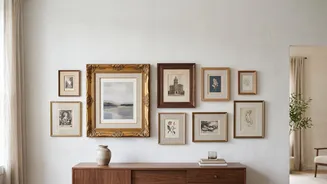
An accent wall doesn't have to be a single material; it can be a curated collection of what you love. A gallery wall, featuring a mix of framed photos, art, and personal mementos, turns a blank space into a focal point that tells a story. To create a cohesive look, stick to a theme, such as family photos in black-and-white or artwork with a similar colour palette. Mixing frame sizes and styles adds visual interest. Lay out your arrangement on the floor first to find a balance you like before hanging anything.
5. Hand-Painted Murals and Geometrics
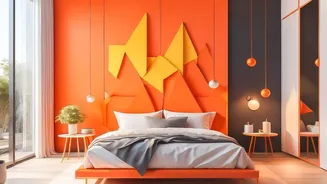
For the truly adventurous, a hand-painted mural or a bold geometric design offers a unique, artistic statement. A mural can be anything from a subtle landscape to a vibrant abstract piece, completely personalising your space. If freehand painting feels daunting, geometric patterns are a great alternative. By using painter's tape, you can create crisp, graphic designs like chevrons, stripes, or triangles. This method allows you to play with multiple colours and create a high-impact feature with just paint and precision.
What to Know About Patterned Wallpaper
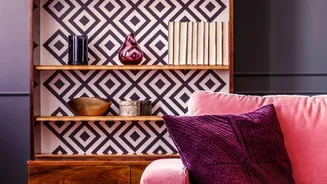
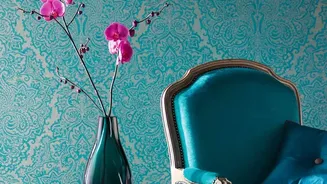
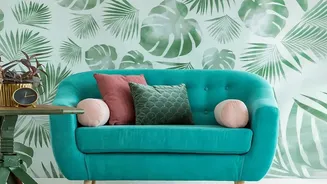
Patterned wallpaper is a fantastic way to create a feature wall with instant personality. When choosing a pattern, consider the scale of the room. Large, bold patterns work well in bigger spaces or on a single feature wall, while smaller, more delicate prints are suitable for smaller rooms where they won't overwhelm. Vertical stripes can make a ceiling feel higher, while horizontal stripes can make a room appear wider. Always order samples to see how the colours and patterns look in your room's specific lighting. For a feature wall, it's often best to select a large or medium-scale pattern that can be appreciated from across the room. To maintain balance, pair a bold wallpaper with more neutral furnishings and decor.