


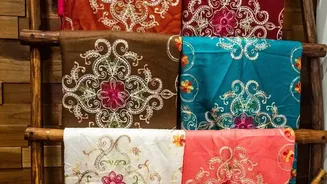
A New Weave of Style
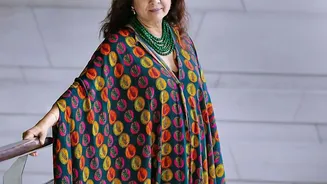
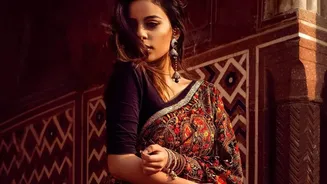
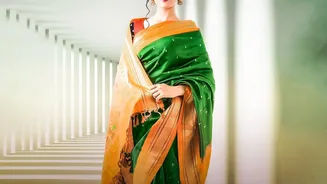
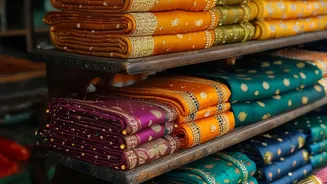
For years, Indian handloom was often seen through a lens of nostalgia, associated with saris and garments reserved for festivals and weddings. But the narrative is undergoing a radical shift, driven by young, digitally-savvy founders and a generation
of consumers who value authenticity. Gen Z is increasingly looking beyond mass-produced fast fashion, seeking clothes that tell a story. This has sparked a renewed interest in traditional textiles, not as museum pieces, but as a vibrant canvas for contemporary expression. These designers are proving that handloom isn't just about preservation; it's about evolution, continuity, and making heritage relevant for the modern wardrobe.
The Streetwear-Heritage Mashup
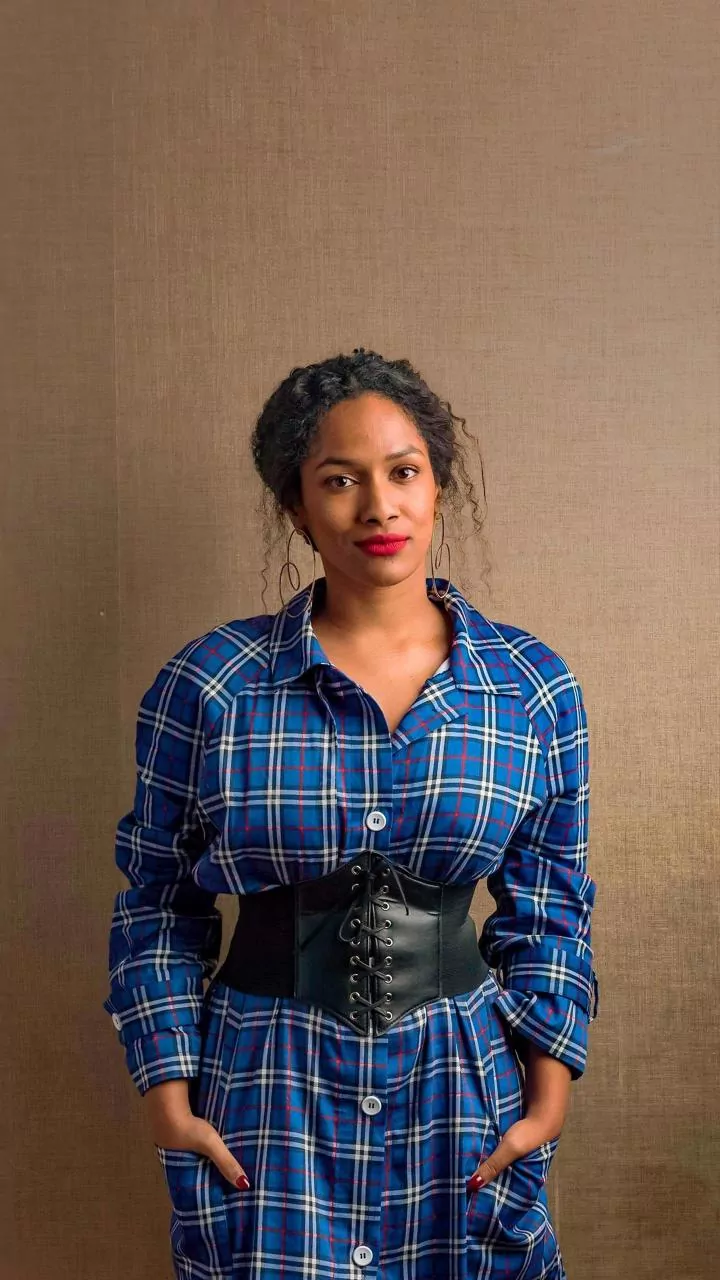
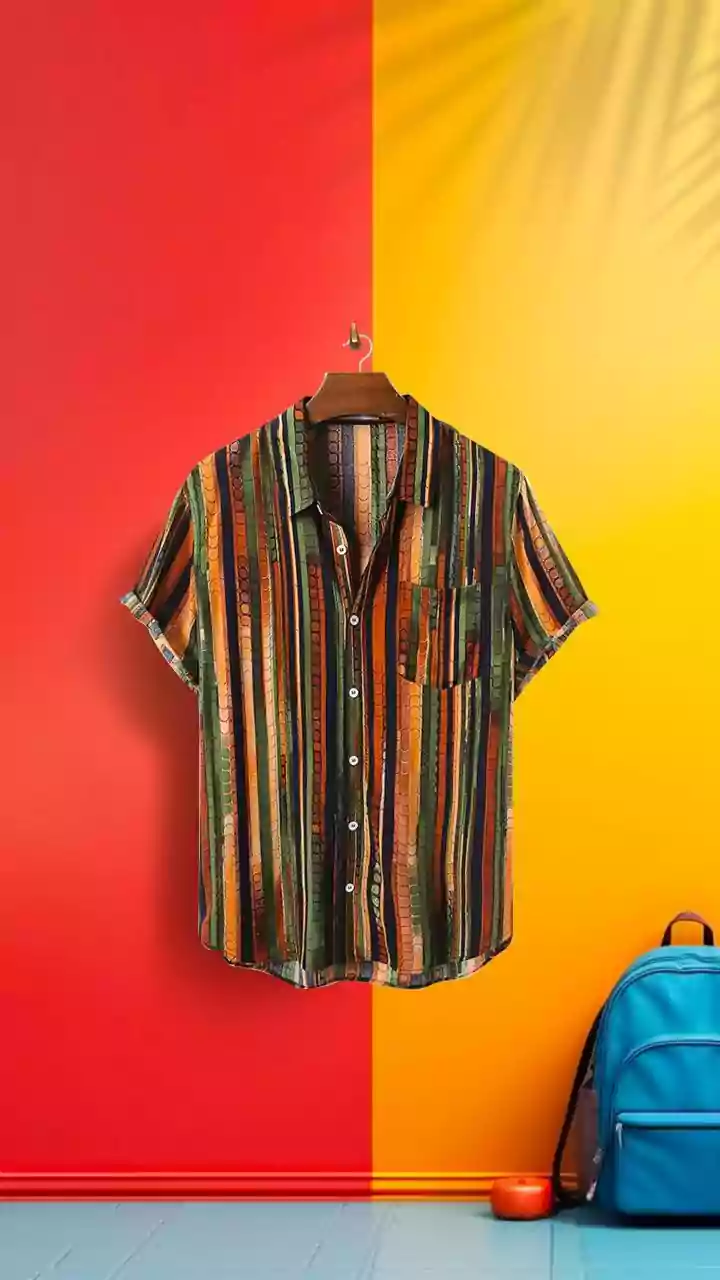
The key to this revival is the creative fusion of traditional fabrics with modern, urban silhouettes. Think oversized shirts, structured corsets, relaxed-fit co-ord sets, and jackets made from fabrics like Khadi, Ikat, and Chanderi. Brands are transforming these textiles, once deemed high-maintenance, into easy-to-wear, everyday fashion. Johargram, founded by NIFT graduate Ashish Satyavrat Sahu, exemplifies this by using the rich textiles of Jharkhand to create ethical streetwear. Similarly, the label NorBlack NorWhite, founded by Mriga Kapadiya and Amrit Kumar, operates at the intersection of Indian artisanal textiles and global street culture, turning weaves from Assam and Telangana into fluid, contemporary pieces. The result is a style that feels both deeply rooted and entirely current.
Fabric with a Conscience
This trend is about more than just aesthetics; it's deeply connected to a growing desire for sustainability and conscious consumption. For many Gen Z founders and consumers, choosing handloom is a statement against the environmentally damaging practices of the fast fashion industry. Handwoven fabrics, often made using natural dyes and organic cotton, represent a slower, more mindful approach to fashion. Brands like Paiwand Studio, founded by Ashita Singhal, go a step further by focusing on circularity, transforming pre-consumer fashion waste into new handloom fabrics. This emphasis on sustainability resonates with a generation willing to invest in pieces that have a positive social and environmental impact, connecting them to the artisans and the story behind each garment.
Reinterpreting, Not Just Reviving
Today’s designers are careful to clarify that they are reinterpreting tradition, not just replicating it. The goal is to innovate while respecting the craft's identity. For Shaishavi Mehta's label RAFU'D, this means working with Kutch artisans to create custom-woven Kala cotton pieces that favour bold colours over heavy embroidery, appealing to Gen Z's love for individuality. T Vyshnavi of Chitiki Looms focuses her experiments on colour palettes and styling, creating fusion concepts without altering the original weave. This generation of founders understands that for handloom to thrive, it must be aspirational and wearable. It’s about creating a modern language for ancient crafts, ensuring they become part of everyday dressing rather than being confined to special occasions.
The Challenges Ahead
Despite the growing interest, the path for these brands is not without its hurdles. The handloom sector faces significant challenges, including competition from mass-produced textiles and the need to provide sustained livelihoods for weaver communities. Making handcrafted items scalable while maintaining authenticity is a constant balancing act. Educating consumers on the value and cost behind a handwoven garment is crucial, especially in a market dominated by fast fashion's low prices. However, the rise of digital platforms has levelled the playing field, allowing small, independent labels to connect directly with a global audience of conscious consumers, bypassing traditional retail gatekeepers.