







The Demand for Transparency
Today’s young consumers, particularly Gen Z and Millennials, are more inquisitive than ever about what they put into their bodies. They are no longer satisfied with vague menu descriptions and are actively demanding clarity about ingredients. Research
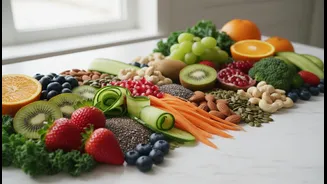
shows that an overwhelming majority of consumers want transparency from food providers, including details on additives, sourcing, and allergens. This generation is reading labels, questioning unfamiliar ingredients, and often choosing simpler, less-processed options because they are perceived as more trustworthy and authentic. For many, a short, recognizable ingredient list is a sign of a healthier product. This has led to a preference for whole foods, which inherently come with a higher degree of transparency than complex, formulated snacks.
A Holistic Approach to Health
The definition of 'healthy' has evolved dramatically. It's no longer just about counting calories or avoiding fat. For young Indians, wellness is a holistic concept that includes mental and emotional wellbeing, gut health, and sustained energy. There is a growing interest in functional foods—items that provide benefits beyond basic nutrition, such as boosting mood, improving focus, or supporting immunity. This has fueled the popularity of snacks like yogurt bowls, fruit, nuts, and functional beverages like kombucha or turmeric lattes over sugary, refined-flour pastries. The focus is on 'clean' energy and nutrient density, with a preference for high-protein and high-fiber options that keep them feeling full and energized.
The Snackification of Meals
Lifestyle changes have fundamentally altered eating patterns. With busy schedules and the normalization of remote work, traditional three-meal-a-day structures are becoming less common, especially among younger generations. Many young adults in India now prefer several smaller meals or snacks throughout the day, a trend dubbed 'snackification'. However, this isn't about mindless grazing on junk food. Instead, these snacks are treated as mini-meals that need to be both convenient and nutritious. A piece of fruit, a handful of nuts, or a protein bar are seen as complete, efficient meals that fit into a fast-paced lifestyle, while a processed cafe snack may be viewed as an 'empty' indulgence.
The Influence of Social Media
Social media platforms have become powerful, informal nutritionists for Gen Z. Visually appealing posts of vibrant smoothie bowls, colorful salads, and neatly arranged fruit platters have set a new standard for what desirable food looks like. Food influencers and wellness bloggers often champion whole, natural ingredients, shaping the preferences of their followers. This digital ecosystem promotes an aesthetic of health that aligns perfectly with whole foods. A fresh fruit bowl is not just a snack; it's a photogenic statement about a healthy lifestyle, something a generic, packaged muffin can rarely compete with on Instagram or TikTok.
Value Beyond the Price Tag
While affordability remains a factor, the concept of 'value' has broadened. For many young consumers, value is also about nutritional return on investment. They are often willing to pay a premium for foods they perceive as healthier or more beneficial. A slightly more expensive fruit bowl or a protein-rich smoothie is seen as a better investment in their long-term health and immediate energy levels than a cheaper, but nutritionally-poor, processed snack. Cafes that recognize this shift and adapt their menus are finding that transparency, quality, and nutritional benefits are becoming key drivers of customer loyalty.