





More Than Just Dirt
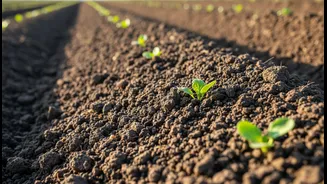
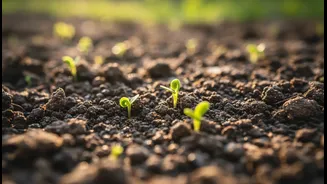
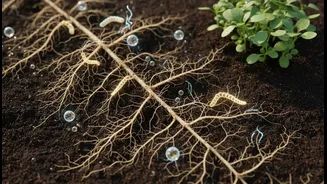
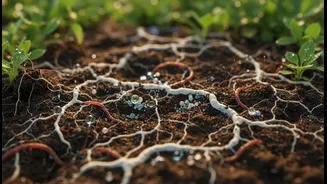
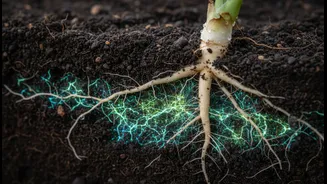
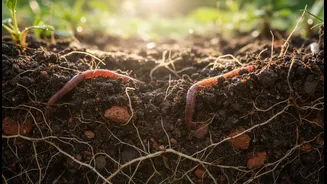
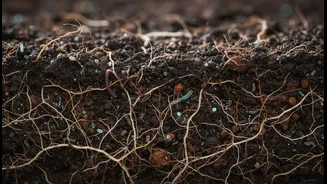
When we think of soil, we often see it as just the ground we walk on. But healthy soil is a bustling, living ecosystem. It's a complex mix of minerals, organic matter, water, air, and countless microorganisms that work together to support life. This delicate
balance is what allows soil to anchor plants, filter water, and store essential nutrients. Over 99% of the food we consume comes from the soil, making its health the very foundation of our agricultural system and, by extension, our national food security. A handful of healthy soil contains more living organisms than there are people on Earth, all playing a vital role in creating a fertile environment for crops to thrive.
A Silent Crisis Unfolding
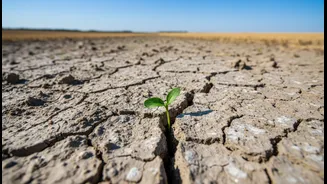
For decades, a silent crisis has been building in India's farmlands. It is estimated that around 30-37% of India's total land area is affected by some form of degradation. The intensive farming practices of the Green Revolution, while successful in boosting food production, came at a cost. An over-reliance on chemical fertilisers and pesticides, coupled with issues like improper irrigation and the burning of crop residue, has severely depleted soil quality. Many of India's soils now suffer from low levels of organic carbon, which is crucial for retaining water and nutrients, and widespread deficiencies in key micronutrients. This degradation not only reduces crop yields but also makes farms less resilient to climate shocks like droughts and floods.
The Government's Ground Game
Recognising the severity of the issue, the Indian government has launched several initiatives to address soil degradation. The flagship programme is the Soil Health Card Scheme, launched in 2015. This scheme aims to provide every farmer with a 'report card' for their land, detailing its nutrient status and recommending specific doses of fertilisers. Studies have shown that farmers who follow these recommendations can reduce chemical fertiliser use by 8-10% while increasing crop yields by 5-6%. Another key initiative is the Paramparagat Krishi Vikas Yojana (PKVY), which promotes organic farming through a cluster-based approach, providing financial assistance and support to farmers transitioning to chemical-free practices.
Farmers Writing a New Story
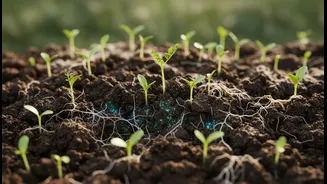
The most powerful part of this story is being written by the farmers themselves. Across the country, many are turning to regenerative agriculture—a holistic approach that seeks not just to sustain, but to actively heal the soil. This involves a mix of traditional wisdom and modern science, using techniques like no-tillage farming, cover cropping, and creating natural fertilisers like Jeevamruth. These methods focus on rebuilding soil organic matter, increasing biodiversity, and improving the water cycle. Unlike conventional farming, which can deplete resources, regenerative practices aim to create a self-sustaining system that is more resilient and ultimately more profitable for smallholder farmers.
Why Healthy Soil Matters to You
This isn't just a farmer's problem; it affects every single one of us. The health of the soil is directly linked to the nutritional quality of the food we eat. Depleted soils grow less nutritious crops, which can have long-term impacts on public health. Furthermore, healthy soil acts like a giant sponge, improving water retention and reducing runoff, which helps in conserving our precious water resources. It also plays a crucial role in combating climate change by acting as a massive carbon sink, second only to the oceans. By restoring our soils, we are not only securing our food supply but also building a more resilient and environmentally stable future.