
Understanding Saffron’s Unique Profile
Saffron possesses a complex flavour that is difficult to substitute: it is at once floral, earthy, and honey-like, with a subtly bitter finish. This unique combination allows it to bridge the gap between sweet and savoury dishes. Its main compounds are
crocin (colour), picrocrocin (taste), and safranal (aroma). Understanding these elements is key to knowing how to pair it. Rather than overpowering a dish, it should add a layer of warmth and sophistication, which is why a little goes a long way. Using too much can quickly introduce an unpleasant bitterness.
The Essential Art of Blooming
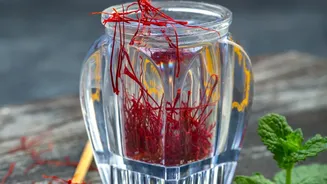
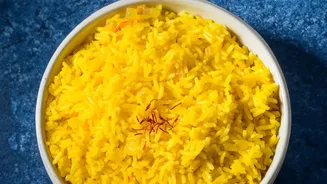
To get the most from every precious thread, saffron must be 'bloomed' before use. Simply adding dry threads to a dish prevents its full flavour and colour from being released. The process is simple: gently crush a pinch of saffron threads and steep them in a few tablespoons of a warm liquid—not boiling, as high heat can destroy its delicate aroma. For savoury dishes like biryani or pulao, use warm water or broth. For desserts like kheer or shrikhand, warm milk is ideal, as the fat helps carry saffron's aroma. Let it infuse for at least 15-20 minutes until the liquid turns a deep, golden-orange. Then, add the entire infusion, liquid and threads, to your recipe.
Classic Savoury Pairings
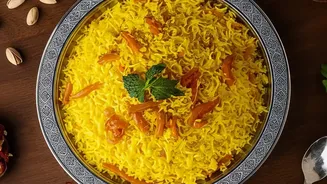
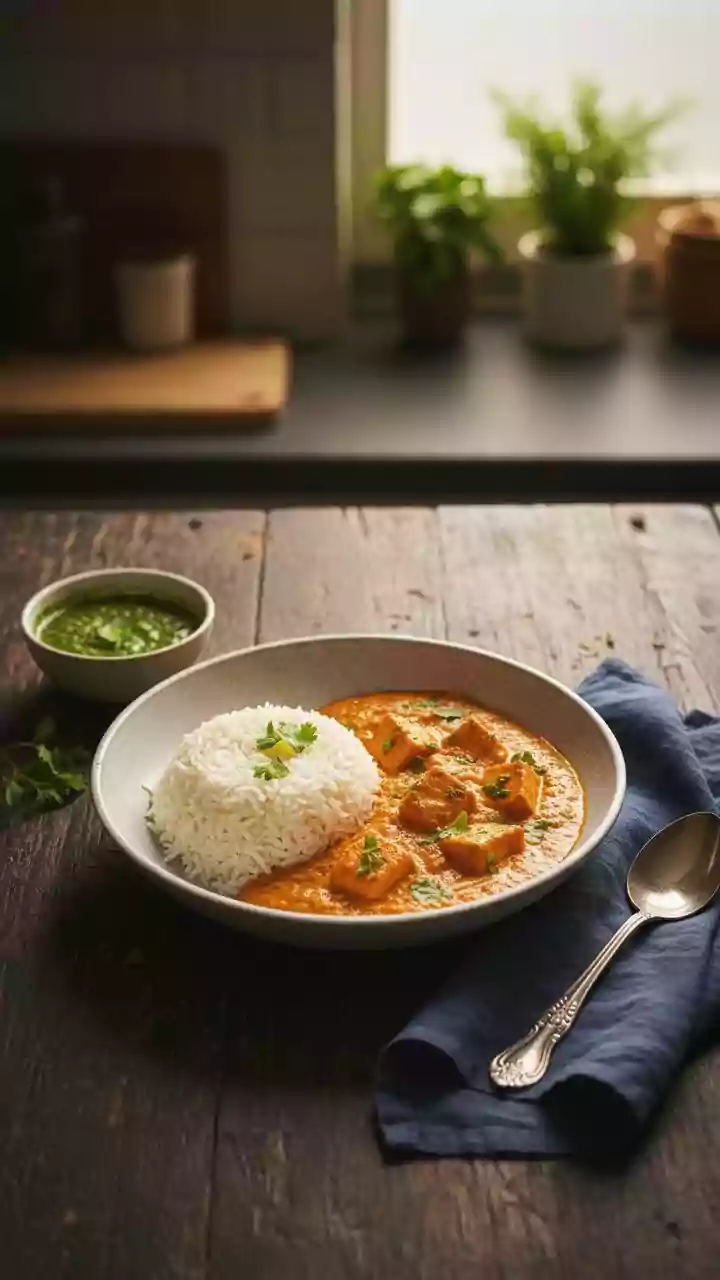
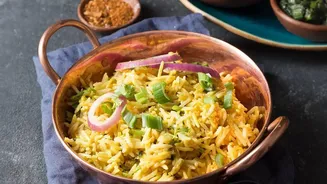
In Indian savoury cooking, saffron is a cornerstone of celebratory and royal cuisines. Its most famous application is in biryani and pulao, where its floral notes cut through the richness of the meat and spices, and its colour gives the rice a signature golden tint. It is also a key ingredient in rich, creamy kormas, particularly those from Awadhi and Mughlai traditions. The spice pairs beautifully with mild proteins like chicken and seafood, where it enhances their natural sweetness without overwhelming them. When used in savoury dishes, it complements other warm spices like cardamom, cinnamon, and cloves, but should always remain the star.
Mastering Saffron in Sweets
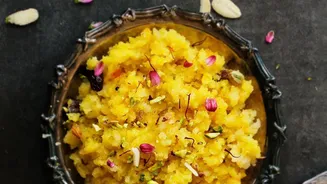
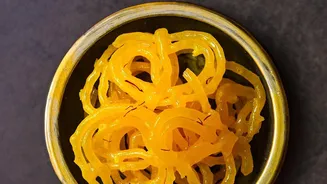
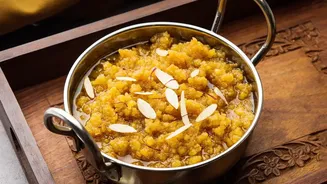
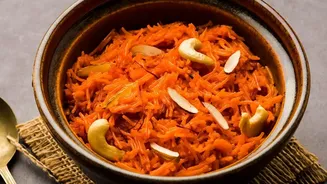
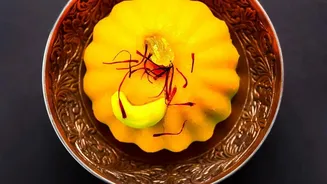
Saffron truly shines in Indian desserts, where its honeyed aroma and golden colour add a touch of luxury. It is a classic ingredient in milk-based sweets like kheer (rice pudding), phirni, rabdi, and basundi. The spice is also essential in festive mithai such as kesar peda and adds a distinctive flavour to shrikhand, a creamy strained yogurt dessert. In these preparations, saffron is often paired with cardamom, pistachios, and almonds, creating a rich and aromatic profile. Rose water is another common partner, but the flavours should be balanced carefully to ensure neither one overpowers the other.
Beyond the Traditional Pairings
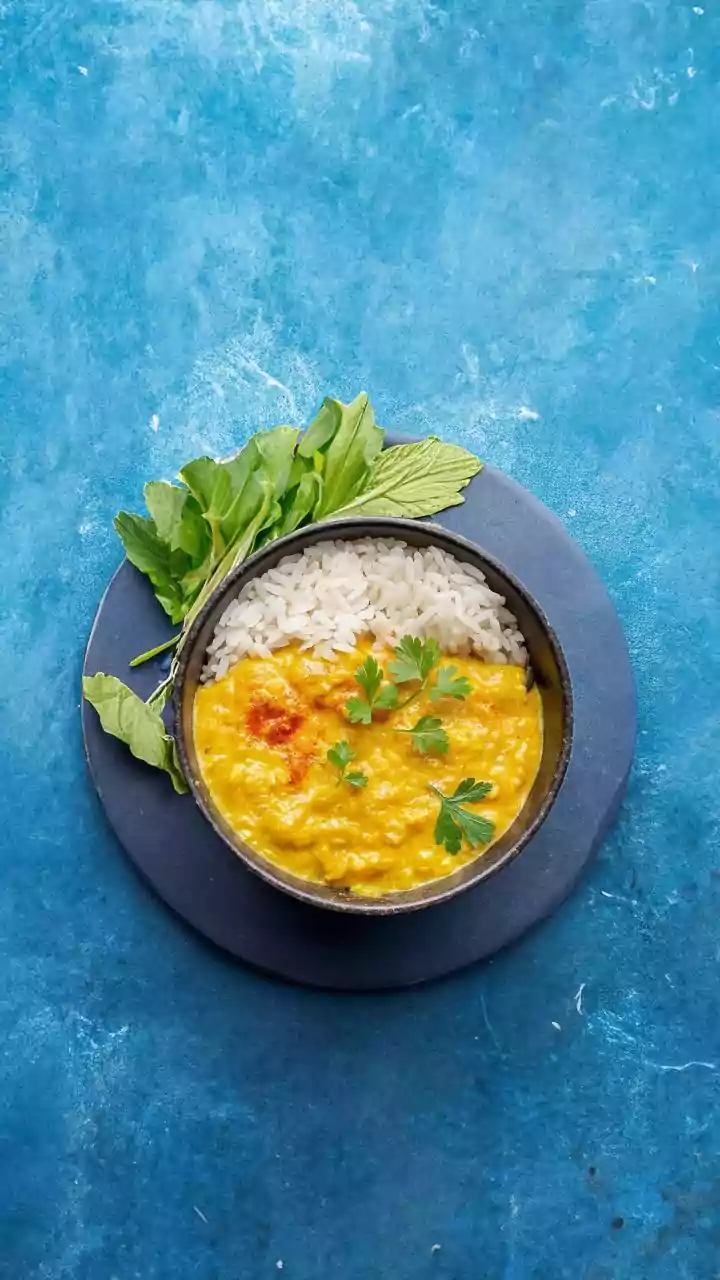
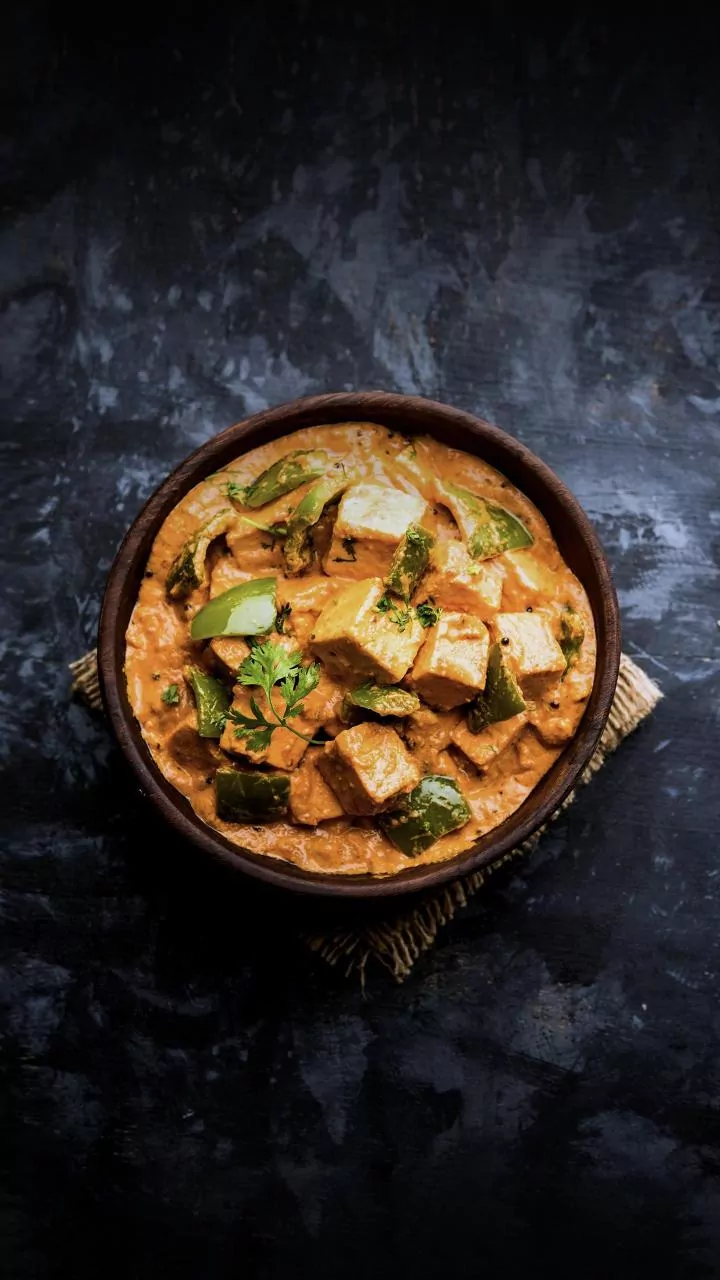
While classic pairings are popular for a reason, saffron's versatility extends further. It can elevate simple lentil dishes, adding a subtle depth to an everyday dal. In sweets, it can be incorporated into everything from nankhatai (shortbread cookies) and cakes to modern interpretations of traditional desserts like saffron-infused cheesecakes or custards. Some Bengali sweets, like Bhapa Doi (steamed yogurt pudding), also use saffron for its festive colour and unique flavour. Experimenting with saffron in marinades for chicken or paneer can also yield delicious results, infusing the protein with its signature aroma from within.
How to Buy and Store Saffron
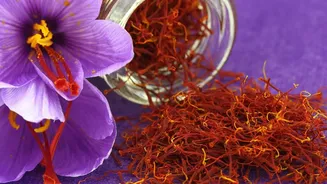
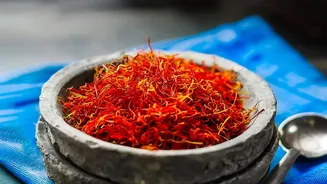
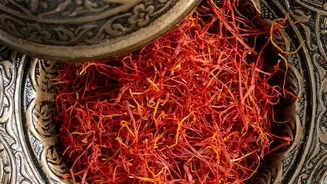
The quality of saffron greatly impacts its flavour. For the best results, always buy whole threads (stigmas) rather than powder. The threads should be a uniform, deep-red colour; the presence of yellow or orange parts indicates lower quality. Ground saffron loses its aroma quickly and can be more easily adulterated. Store your saffron in an airtight container in a cool, dark, and dry place, away from heat and light, which can degrade its flavour and colour. A cupboard away from the stove is ideal. Stored correctly, whole threads can retain their potency for a couple of years.