





Your Monsoon First-Aid Kit
The shift in weather can bring a host of health issues, from common colds to water-borne diseases. Your travel kit should be equipped to handle these minor emergencies. Pack basic medicines for fever, cold, cough, and throat pain, as sudden temperature
changes can easily trigger these. Given the higher risk of contaminated food and water, it's crucial to carry medication for stomach upsets, diarrhoea, and vomiting. Oral Rehydration Salts (ORS) are non-negotiable to combat dehydration from humidity or stomach bugs. The damp conditions are also ideal for fungal infections, so an anti-fungal cream or powder is a wise addition. Don't forget a good insect repellent, as mosquitoes carrying diseases like dengue and malaria are more prevalent during this season. Round out your kit with antiseptic liquid, bandages, and pain relief balms for any minor scrapes or aches.
Stay Powered and Connected
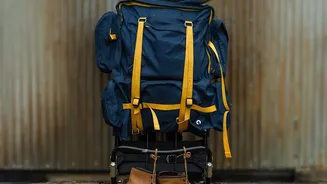
Frequent power cuts can be a reality during the monsoon, and you don't want to be left with a dead phone when you need it most. A fully charged power bank is an absolute essential. Ensure it has enough capacity to charge your phone at least two to three times. To protect your expensive gadgets from sudden downpours, invest in waterproof gear. Simple zip-lock pouches are a great, affordable option for phones, chargers, and cables. For better protection, consider a dedicated waterproof phone case or a dry bag, which will keep your electronics safe even if your backpack gets soaked. It’s also smart to line your main backpack with a large, heavy-duty plastic bag as an extra layer of defence. Always pack a universal travel adapter if you're visiting different regions and consider carrying extra cables, as finding a replacement in a remote, rain-lashed town can be difficult.
Smart Snacks for Unexpected Delays
Monsoon travel can often mean unexpected delays, whether from landslides in the hills or waterlogged roads in the city. Having a stash of non-perishable snacks can be a lifesaver. Opt for dry snacks that are sealed well to resist humidity. Traditional Indian options like murukku, banana chips, and peanut chikki are excellent choices as they are energy-dense and travel well. Nuts, seeds, and protein bars are also great for a quick energy boost. Avoid anything that requires refrigeration or can get crushed easily. Individually wrapped snacks are convenient and help maintain freshness. Instant noodles or soup sachets that only require hot water can also provide a comforting, warm meal if you're stuck somewhere with limited food options.
The Right Clothing and Footwear
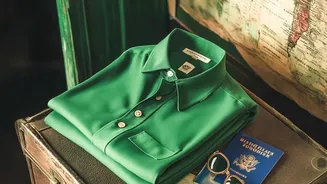
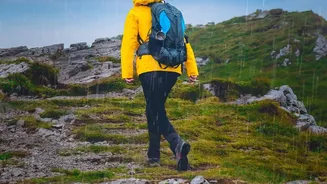
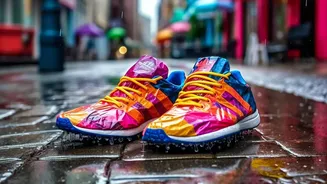
What you wear can make or break your monsoon trip. The golden rule is to avoid cotton, as it absorbs moisture and takes a very long time to dry in humid weather. Instead, pack clothes made from synthetic, quick-drying fabrics like polyester or nylon. These materials will keep you more comfortable and can be washed and dried overnight in your hotel room. A lightweight, waterproof rain jacket or poncho is far more practical than an umbrella, which can be useless against strong monsoon winds. When it comes to footwear, leave the leather shoes and absorbent sneakers at home. Opt for waterproof sandals with a good grip or rubber floaters that can handle wet, slippery surfaces and dry quickly. It's also a good idea to pack an extra pair of socks and undergarments made from moisture-wicking fabric.
Hygiene and Comfort Essentials
Staying clean and comfortable is key to enjoying your trip. The high humidity can make you feel sticky and grimy, so carrying wet wipes and hand sanitiser is essential for freshening up on the go. A quick-dry microfibre towel is another must-have; it's much more absorbent and dries faster than a standard cotton towel, making it perfect for wiping down after an unexpected drenching. To deal with the dampness in your luggage and prevent clothes from smelling musty, you can pack a few silica gel packets in your bag. Finally, a lightweight scarf or shawl is a versatile item. It can provide a bit of warmth on a cool, rainy evening, offer protection from the sun on clear days, and be used as a cover-up when visiting religious sites.