





Beyond the Five-Star Formula
There is a unique comfort in the predictable luxury of a five-star hotel. The crisp linens, the attentive room service, the reassuring anonymity—it’s a formula that works. But in a place as distinct and vibrant as Kerala, this formula can sometimes feel
like a barrier, insulating you from the very essence of the destination you came to experience. The true magic of ‘God's Own Country’ isn't found in a marble lobby or a rooftop bar; it’s woven into the intricate network of its backwaters, in the rhythm of village life, and in the quiet hum of nature that luxury concrete walls can inadvertently block out. Opting for an eco-cabin isn't about downgrading your comfort; it’s about upgrading your experience from passive observation to active immersion. It’s a choice to trade generic opulence for genuine connection.
The Allure of the Eco-Cabin
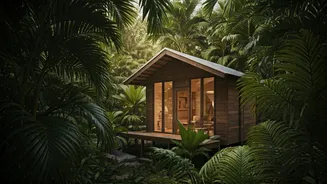
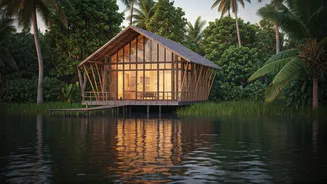
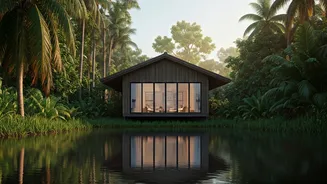
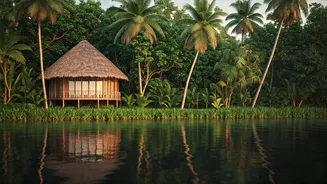
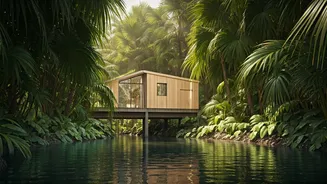
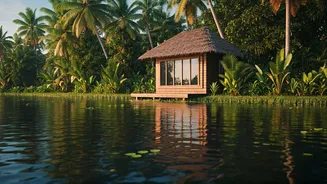
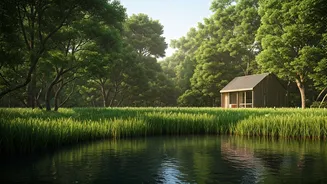
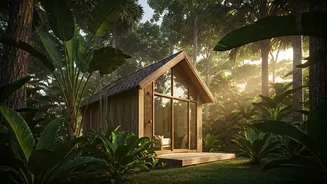
So, what exactly is a backwater eco-cabin? Forget the image of a primitive shack. These accommodations are thoughtfully designed structures, often built by local artisans using sustainable materials like bamboo, coconut fibre, and recycled wood. They are designed to blend seamlessly with their surroundings, not dominate them. Some are perched on stilts over the water, offering direct access to the canals, while others are nestled in lush paddy fields or coconut groves. The ‘eco’ aspect is a core philosophy. It means rainwater harvesting, solar panels, organic gardens that supply the kitchen, and a commitment to waste reduction. Staying in one is a vote for responsible tourism that directly benefits the local community and preserves the fragile ecosystem you’ve come to admire.
An Orchestra of Natural Sounds
One of the most profound luxuries an eco-cabin offers is something most hotels charge a premium for, yet rarely deliver: true silence. This isn’t the sterile, sound-proofed quiet of a hotel room, but a living, breathing quietude. Your alarm clock is the call of a kingfisher. The evening’s soundtrack is a chorus of chirping crickets and the gentle splash of a fish jumping in the canal. Instead of the distant hum of air-conditioning units, you have the rustle of palm fronds in the breeze. This deep, natural serenity allows you to truly disconnect from the noise of modern life. Your days begin to follow the natural rhythm of sunrise and sunset, encouraging a slower, more mindful state of being that is the ultimate form of relaxation.
A Taste of Authentic Kerala
The cookie-cutter nature of hotel buffets often means you miss out on true local cuisine. In a backwater homestay or eco-cabin, the food is an experience in itself. Meals are typically prepared by your hosts, often using ingredients picked that very day. Imagine savouring a fresh ‘Karimeen’ (pearl spot fish) pollichathu, wrapped in a banana leaf and spiced to perfection, or enjoying a traditional sadhya served on a plantain leaf. The hosts are your cultural guides. They can share stories about the region, teach you a few words of Malayalam, or take you on a canoe trip through narrow, less-travelled canals where you can witness daily life unfold: children heading to school by boat, vendors selling vegetables from their skiffs, and fishermen mending their nets.
How to Find Your Backwater Bliss
Finding the right eco-cabin is part of the adventure. While popular areas like Alleppey and Kumarakom are excellent starting points, consider exploring quieter stretches of the backwaters for a more secluded experience. Look for properties that are explicit about their sustainable practices. Read reviews that comment on the hospitality, the quality of the home-cooked food, and the authenticity of the experience. Many of the best places are small, family-run establishments that may not have flashy websites, but their glowing testimonials speak volumes. Don’t be afraid to reach out and ask questions about their connection to the local community and environment. A good host will be proud to share their story.