

The Rise of the Digital Stylist
We have quietly entered the age of algorithmic fashion. It’s in the “recommended for you” sections of e-commerce sites, the subscription boxes that arrive with computer-selected outfits, and the social media feeds that dictate micro-trends. AI-powered
tools promise to solve the age-old dilemma of “what to wear” by analyzing vast datasets of trends, consumer behavior, and even your own purchase history. These systems offer remarkable efficiency, processing billions of data points to predict what you might like next. For retailers, this means optimized inventory and smarter marketing. For consumers, it offers convenience, speed, and a seemingly endless stream of suggestions, aiming to make shopping easier and more personalized.
A World of Fashion Sameness
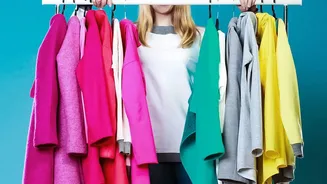
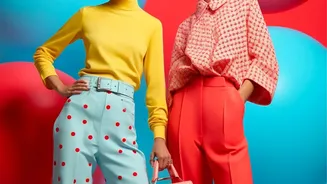
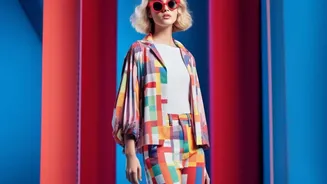
But a growing chorus of critics points to a significant downside. When everyone is served recommendations based on what's already popular, it can lead to a homogenization of style. Algorithms are trained on existing data, which can perpetuate biases related to body type, skin tone, and cultural background, leading to skewed or non-inclusive recommendations. This data-driven approach often pushes a cycle of rapid, disposable trends, contributing to over-consumption rather than fostering a lasting personal style. The result can be a landscape where digital efficiency flattens creativity, and personal expression is replaced by what the algorithm has deemed most likely to be purchased. It optimizes for the click, not necessarily for the individual.
Enter the Human Touch
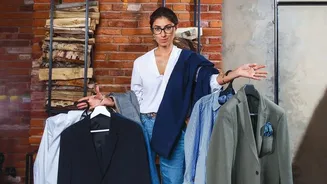
This is precisely where the value of a human personal stylist becomes crystal clear. While an algorithm can process what you’ve bought, a stylist understands why you bought it. Styling is not just about clothes; it's about confidence, lifestyle, and identity. A human stylist engages in a conversation, learning about a client's profession, life events, insecurities, and aspirations. They can read non-verbal cues—the hesitation in a client's eyes or the shift in posture when they feel truly great in an outfit. This emotional intelligence and empathetic connection is something that, for now, remains uniquely human. An algorithm can suggest a dress, but a stylist can help you find the one that makes you feel powerful on a day you need it most.
Beyond the Clothes
The work of a personal stylist extends far beyond just picking outfits. They are wardrobe editors, helping clients declutter and build a functional, versatile collection of clothes they will actually wear. They save clients time and effort by pre-shopping and curating selections, taking the overwhelming noise of retail and distilling it into focused, productive choices. A great stylist educates their client, teaching them about fit, fabric, and what works for their specific body shape and lifestyle, empowering them to make better choices on their own. They provide objective, expert advice that goes beyond data, considering context, occasion, and the subtle language of style that can’t be quantified.
A Collaborative Future?
The debate isn't necessarily about AI versus humans, but about their respective roles. The most likely future is a hybrid model where stylists leverage AI as a powerful tool. Imagine an AI that handles the heavy lifting of data analysis—scanning thousands of items to find options within a client's budget and size—freeing up the human stylist to focus on the creative and emotional work of personalization. The algorithm can provide the options, but the stylist provides the wisdom, taste, and curatorial eye. In this scenario, technology enhances the human connection rather than replacing it, offering the best of both worlds: the scale and efficiency of AI combined with the irreplaceable nuance of human expertise.