

Ever wonder why your biryani wasn't as fluffy as you'd hoped, or why your risotto felt flat? The secret often lies in the grain itself. Understanding how different rice varieties behave is the key to transforming your cooking from good to great.
The Science of Starch
The texture
of cooked rice—whether it's fluffy, creamy, or sticky—is determined by its starch content. Rice contains two main types of starch: amylose and amylopectin. Rice varieties with higher amylose content, like Basmati, tend to cook up into light, separate, and fluffy grains. Varieties rich in amylopectin, on the other hand, release more starch during cooking, resulting in a stickier, more cohesive texture. This fundamental difference is why choosing the right grain for the right dish is so crucial for the final result.
Long-Grain Rice: For Fluffy & Fragrant Dishes
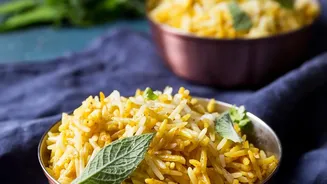
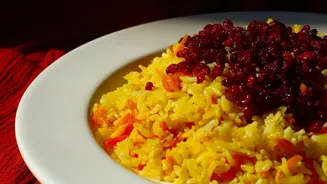
Long-grain rice kernels are slender, typically three to five times longer than they are wide. Thanks to their higher amylose content, these grains remain distinct and separate after cooking. The most famous long-grain rice in India is Basmati, celebrated for its nutty aroma and delicate, fluffy texture. This makes it the undisputed champion for dishes like biryani, pulao, and jeera rice, where individual grains are meant to shine. Another popular long-grain variety is Jasmine rice, common in Southeast Asian cuisine, which is slightly softer and stickier than Basmati but still offers a fragrant, fluffy finish perfect for curries and stir-fries.
Medium-Grain Rice: The Everyday All-Rounder
Medium-grain rice strikes a balance between the fluffiness of long grains and the stickiness of short grains. These varieties are staples in many Indian households for daily meals. Sona Masuri, popular across South India, is a lightweight and versatile medium-grain rice perfect for steamed rice, sambar rice, and lemon rice. Similarly, Ponni rice, another South Indian favourite, is excellent for everyday dishes and holds its shape well. These rices are tender and absorb flavours well without becoming overly sticky, making them reliable choices for a wide range of comfort foods like khichdi.
Short-Grain Rice: For Creamy and Sticky Preparations
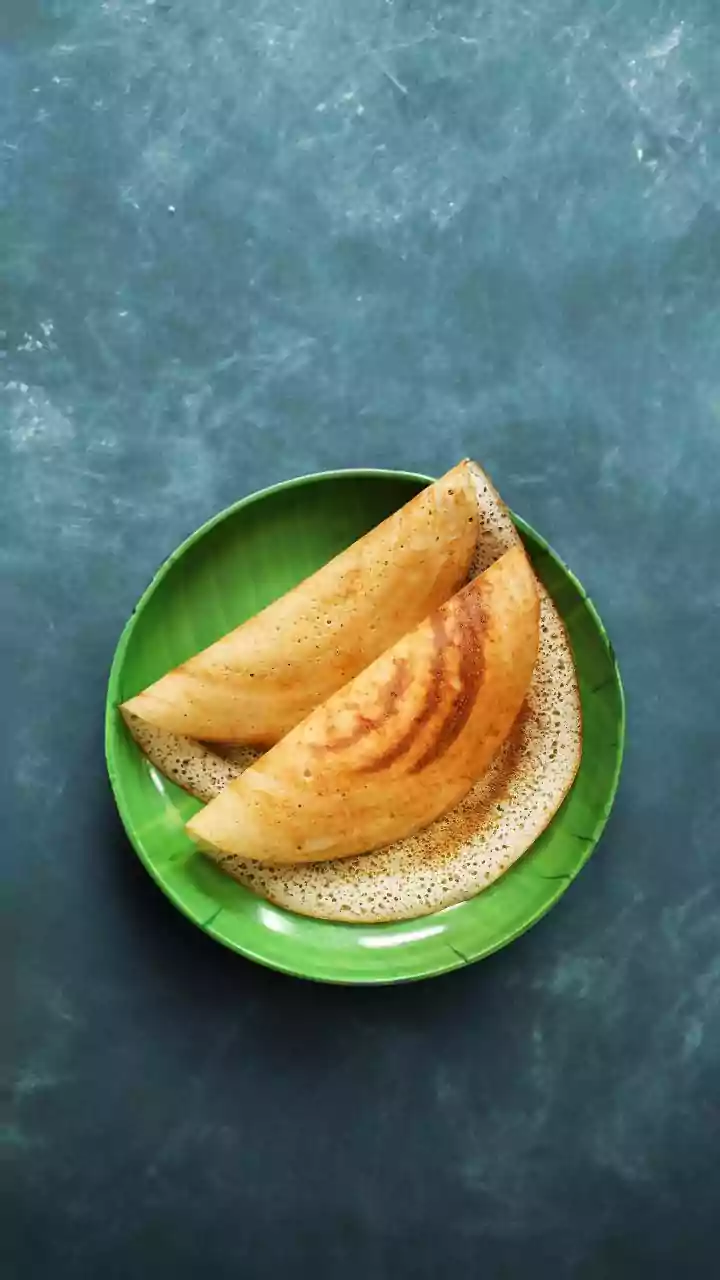
Short-grain rice is plump and almost round, with a high amylopectin content that makes it soft and sticky when cooked. This quality is essential for certain dishes. Arborio rice, a medium-to-short grain from Italy, is prized for its ability to release starch and create a creamy, velvety sauce, making it the go-to for risotto. For Japanese cuisine, short-grain sushi rice is used because its sticky texture allows it to be shaped easily for sushi and rice balls. In India, short-grain aromatic varieties like Gobindobhog from Bengal offer a buttery flavour ideal for kheer and festive preparations, while specific Idli Rice is parboiled and ground for soft idlis and crisp dosas.
Specialty and Whole Grains
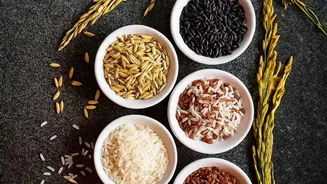
Beyond the basics, a world of specialty rice offers unique flavours and textures. Brown rice, which retains its bran layer, is a whole-grain option available in long, medium, and short varieties. It has a chewier texture, a nuttier flavour, and requires a longer cooking time. Kerala Matta Rice, a reddish-brown variety, has a robust, earthy taste that pairs wonderfully with rich South Indian curries. Black rice, also known as forbidden rice, turns a deep purple when cooked and has a nutty flavour, making it great for porridges and desserts. Exploring these can add a new dimension to your meals.