

From Nostalgia to New-Age Craft
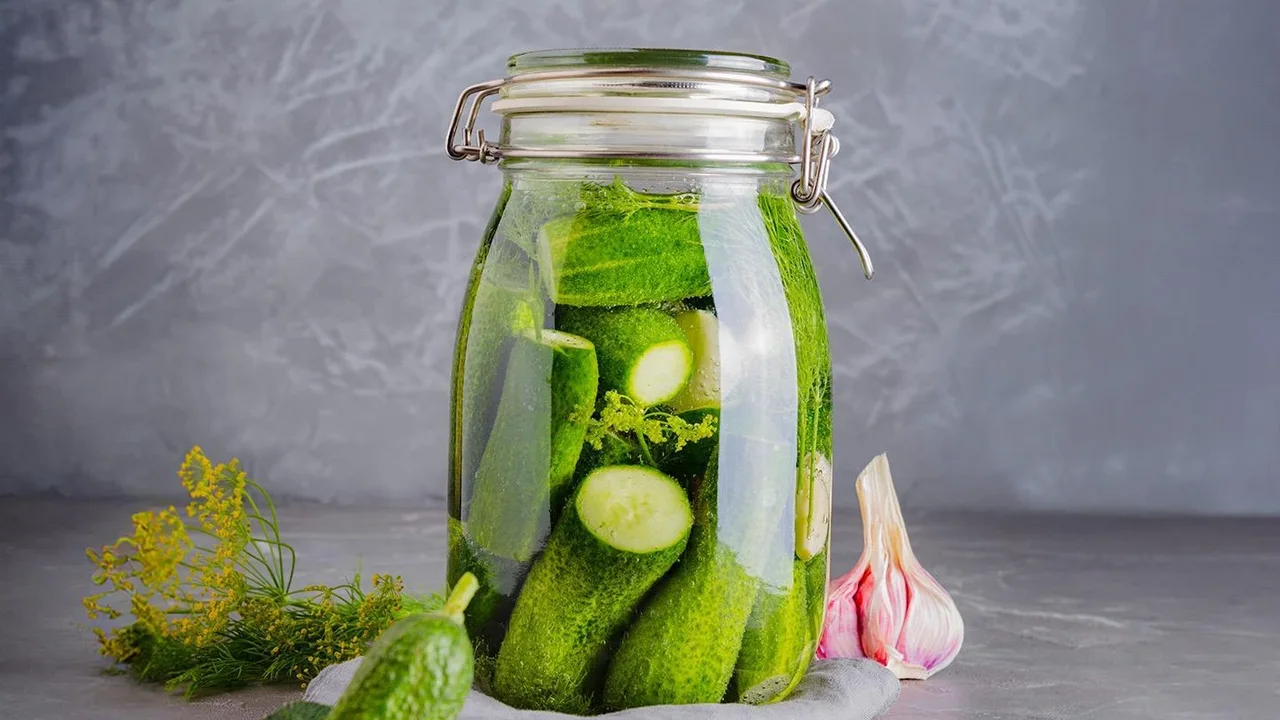
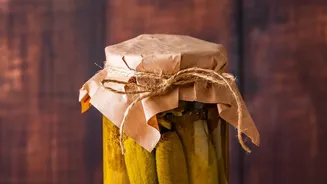
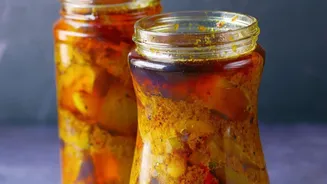
The Indian pickle, or 'achar', is more than just a condiment; it's a vessel of tradition, with family recipes passed down through generations. It's the flavour of summer holidays and grandmother's love, sun-dried and steeped in spices. But in recent years,
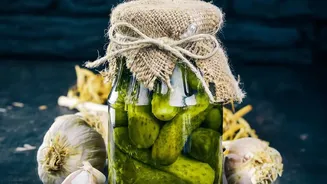
this traditional craft has been reinvigorated. A new breed of small-batch, handcrafted pickles is emerging, targeting a discerning audience that craves authenticity with a contemporary twist. These aren't your average mass-produced pickles. They boast clean labels with no artificial preservatives, focus on high-quality regional ingredients, and often use healthier oils or natural fermentation processes. This shift reflects a larger consumer trend towards foods that are natural, transparent, and tell a story.
The Entrepreneurs Behind the Jars
Driving this gourmet movement is a diverse group of entrepreneurs. Many are urban professionals, food enthusiasts, and often women, who started their ventures during the pandemic, turning a passion for heirloom recipes into a business. Brands like JhaJi, started by two sisters-in-law to bring authentic Mithila flavours to a wider audience, exemplify this trend. They source ingredients locally and stick to traditional methods, creating products that resonate with a market hungry for regional specialities. These direct-to-consumer brands leverage social media and e-commerce, allowing them to connect directly with customers and share the heritage behind each jar. This digital-first approach has helped them carve out a significant niche in a market expected to grow substantially in the coming years.
A Revolution in Flavour
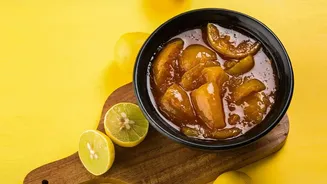
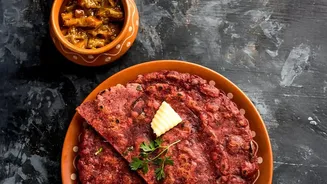
While classic mango and lime pickles remain beloved staples, the gourmet scene is exploding with innovation. Artisanal makers are experimenting with a dazzling array of ingredients that go far beyond the conventional. You can now find pickles made from banana flower, jackfruit, lotus stem, and even bamboo shoot. Non-vegetarian pickles featuring chicken, prawns, and fish are also gaining immense popularity, especially drawing from coastal culinary traditions like those of Malabar. Some brands are even getting creative with flavour combinations, offering everything from spicy Rajasthani lemon pickles to sweet and tangy Gujarati chunda, or even a South Indian-style wild lemon pickle. This explosion of creativity is introducing consumers to regional tastes they may have never experienced, turning the act of eating a pickle into a culinary discovery.
Why We Crave Authenticity Now
Several factors are fuelling the appetite for gourmet pickles. A growing health consciousness has consumers seeking out products with natural ingredients and the probiotic benefits of fermentation. Hectic urban lifestyles and a shift towards nuclear families mean fewer people are making pickles at home, creating a gap in the market for high-quality, ready-made options that taste homemade. Furthermore, there is a burgeoning demand for premium and specialized foods, particularly in urban areas, where consumers are eager to explore unique taste experiences. This trend is not just domestic; a thriving export market is driven by the Indian diaspora's craving for authentic flavours and a growing global curiosity about Indian cuisine.