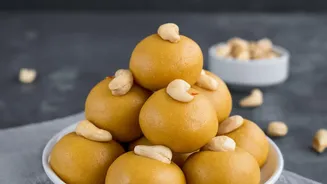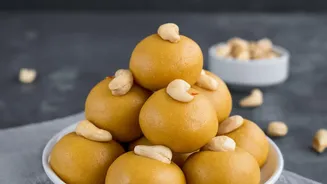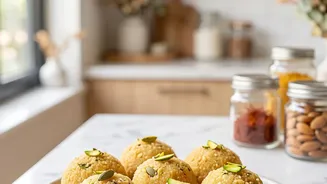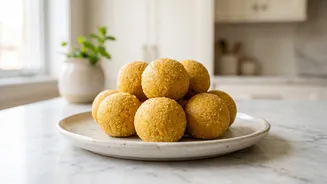

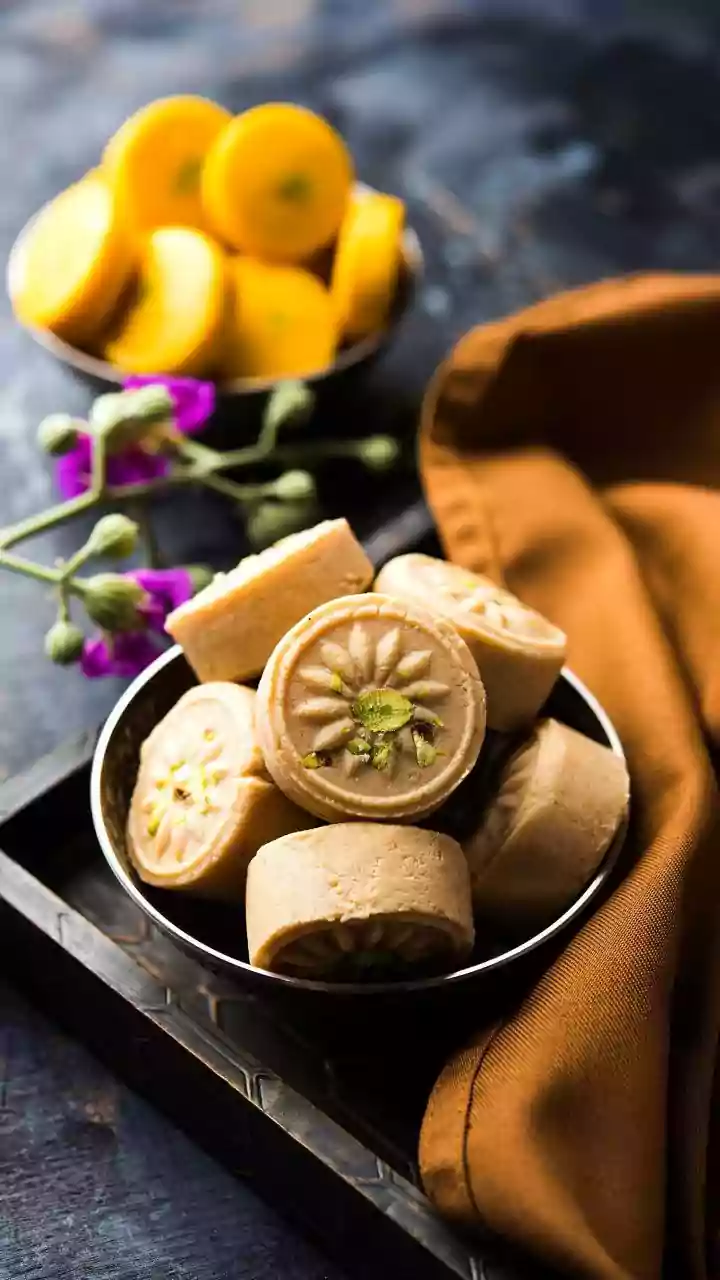




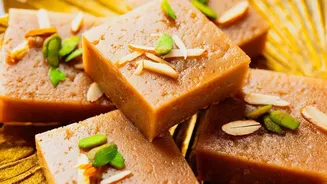
The aroma of besan roasting in ghee is the scent of celebration. But achieving that perfect, soft besan ladoo can be tricky. Too often, the gram flour burns or tastes raw. Here’s how to get it right and make ladoos that melt in your mouth.
The Golden Rule: Low Heat and Patience
The single most
critical step in making soft besan ladoos is roasting the gram flour, and there is no shortcut. The process must be done on a consistent low to medium-low flame. Rushing this stage by turning up the heat is the number one mistake; it will cause the besan to brown on the outside while remaining raw inside, resulting in a bitter, unpleasant taste. Plan for this step to take anywhere from 15 to 25 minutes, depending on the quantity of besan and the thickness of your pan. Patience is the key ingredient. Instead of watching the clock, rely on your senses to tell you when the besan is perfectly cooked.
Choosing Your Tools and Ingredients
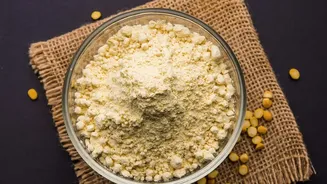
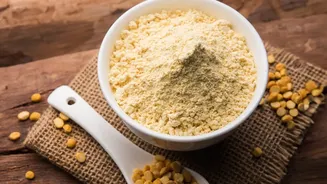
Your success starts before the stove is even on. Always use a heavy-bottomed pan or kadai. A thick base distributes heat more evenly, which is crucial for preventing the besan from catching and burning in hot spots. When it comes to the flour itself, both fine besan and a coarser 'ladoo besan' will work, but they yield different results. Fine besan creates a smoother, melt-in-the-mouth texture, while coarse besan offers a more traditional, grainy bite. Whichever you choose, ensure it is fresh, as old flour can taste bitter. Lastly, use good quality ghee; its flavour is central to the final product.
The Roasting Process: A Sensory Guide
Roasting besan is a journey of transformation. Initially, after adding besan to the melted ghee, the mixture will be thick and lumpy. As you stir continuously, it will begin to loosen and turn into a thick paste. After about 15 minutes, you will notice a significant change. The mixture will become more liquid, almost like molten lava, as the besan starts to release the ghee. This is a key sign that you are on the right track. The colour will deepen to a uniform golden brown, and most importantly, the aroma will change from raw and floury to distinctly nutty and sweet. These visual and aromatic cues are far more reliable than a timer. If you are unsure, you can take a tiny amount, let it cool, and taste it to ensure there is no raw flavour left.
The Role of Ghee and Sugar
The ratio of ghee to besan is crucial for texture. Too little ghee results in dry, crumbly ladoos that won't hold their shape, while too much makes them greasy and difficult to form. A good starting point is about half as much ghee as besan by weight, adding a little more warm ghee only if the mixture seems too dry. When it comes to sugar, timing is everything. Always add powdered sugar after the roasted besan has been removed from the heat and has cooled to a warm, touchable temperature. If you add sugar to hot besan, it will melt and create a sticky, runny mixture that prevents the ladoos from setting properly.
Troubleshooting Common Problems
Even with careful attention, things can go awry. If your final mixture is too dry and won't bind, add warm, melted ghee one teaspoon at a time until it comes together. If the mixture is too soft or runny, it's likely the besan was too hot when you added the sugar. The best fix is to refrigerate the mixture for 15–20 minutes to allow the ghee to firm up before you try shaping the ladoos again. Unfortunately, if the ladoos taste raw, there is no fix after the sugar has been added. This highlights why the patient, slow roasting process is so vital to success.