






As winter arrives, does your skin start to feel tight, itchy, and uncomfortable? You're not alone. The shift to colder weather can be harsh on our skin, but understanding exactly why this happens is the first step toward effective relief.
The Double Threat: Cold Air and Low Humidity
The primary reason
skin suffers in winter is a simple matter of physics: cold air holds less moisture than warm air. This low-humidity environment acts like a sponge, pulling moisture directly from your skin's surface. This process, known as transepidermal water loss (TEWL), accelerates significantly in dry conditions, leaving your skin dehydrated. But the assault doesn't stop when you go indoors. Central heating and space heaters, while cozy, further strip moisture from the air, creating an intensely dry indoor climate that compounds the problem. This constant fluctuation between cold, dry air outside and hot, dry air inside weakens your skin's natural defences.
Your Skin’s Protective Barrier Under Siege
Your skin has a natural protective layer called the stratum corneum, often referred to as the skin barrier. Think of it as a brick wall: the skin cells are the 'bricks', and natural fats called lipids are the 'mortar' holding them together. This barrier is crucial for locking moisture in and keeping irritants out. Winter's dry conditions compromise this mortar, stripping away those essential lipids. As the barrier weakens, microscopic cracks can form, leading to increased moisture loss and making the skin more vulnerable to irritants and allergens. This is why skin often becomes not just dry, but also red, sensitive, and itchy during colder months.
Adjust Your Cleansing and Shower Habits
That long, steaming hot shower might feel wonderful on a cold morning, but it's one of the biggest culprits in winter skin dryness. Hot water strips the skin of its natural oils, further weakening the protective barrier. Dermatologists recommend switching to lukewarm water and keeping showers or baths shorter, around 10 minutes. It’s also wise to swap out harsh, foaming cleansers for milder, cream-based, or hydrating formulas. Look for products that are fragrance-free and gentle, as fragrances can become irritating when the skin barrier is compromised.
Master the Art of Moisturising
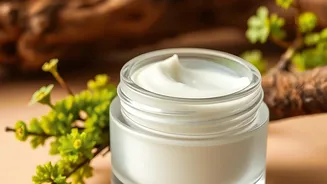
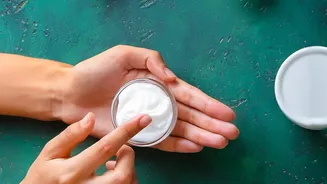
Moisturising is non-negotiable in winter, but how and when you do it matters. The most effective time to apply moisturiser is within a few minutes of bathing, while your skin is still slightly damp. This helps to lock in the water your skin just absorbed. For winter, you may need to switch from a light lotion to a thicker cream or ointment. Look for products with a powerful combination of ingredients. Humectants like hyaluronic acid and glycerin draw moisture into the skin. Emollients like shea butter and ceramides help to soften the skin and repair the barrier. Finally, occlusives like petroleum jelly or dimethicone create a physical seal to prevent moisture from escaping.
Hydrate and Protect From the Inside Out
Topical care is essential, but a holistic approach yields the best results. A simple yet effective step is using a humidifier in your home, especially in the bedroom, to add moisture back into the air. This helps counteract the drying effects of indoor heating. Hydration also starts from within, so be sure to drink plenty of water throughout the day. Your diet plays a role, too. Foods rich in omega-3 fatty acids, such as fish and walnuts, and antioxidants found in berries and dark leafy greens can support skin health. Finally, don’t forget to protect your skin when you venture outdoors. Wearing gloves and scarves not only keeps you warm but also shields your skin from the harsh wind and cold air.
Don't Forget the Sunscreen
It’s a common misconception that sunscreen is only for sunny summer days. Harmful UV rays are present yearround,
and they can further damage the skin barrier. Snow can even reflect up to 90 percent of UV radiation,
significantly increasing your exposure.
Make it a habit to apply a broad spectrum sunscreen with an SPF of 30 or higher to all exposed areas,
like your face,
neck,
and hands,
every single day.
For winter,
consider a more moisturising sunscreen formula,
such as a cream,
to add an extra layer of hydration and protection.