
Choose the Right Plants
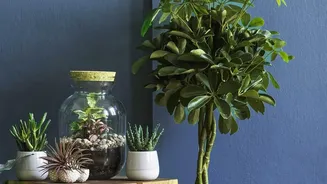
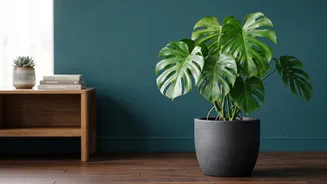
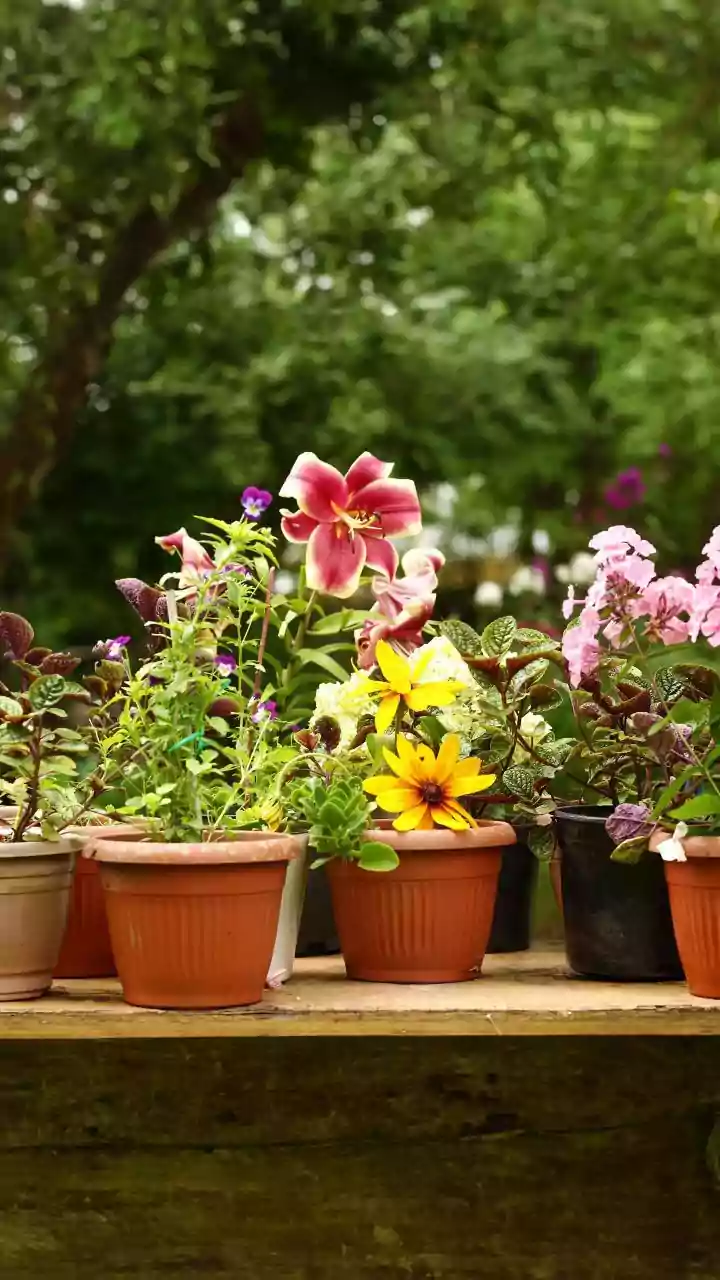
The foundation of a successful balcony garden is selecting plants that suit your specific environment. Don't just buy what looks pretty at the nursery; consider your balcony's conditions. For sunny, hot balconies, hardy bloomers like Bougainvillea, Petunia,
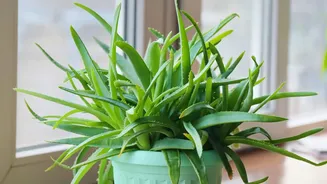
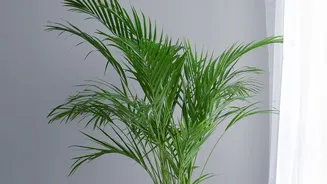
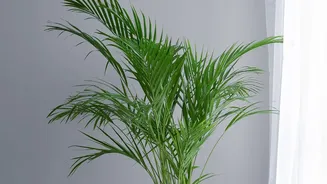
and Desert Rose are excellent choices. If your space gets less direct sun, opt for shade-loving plants like Peace Lily, Snake Plant, or Areca Palm. For Indian homes, low-maintenance favourites like Tulsi (Holy Basil), Money Plant (Pothos), and Spider Plant are reliable options that purify the air and require minimal fuss. Starting with plants that are naturally suited to your light and climate conditions is the easiest way to ensure they thrive.
Understand Your Sunlight
Sunlight is the most critical factor for plant health. Take a day to observe your balcony's light patterns. An east-facing balcony gets gentle morning sun, perfect for delicate greens and herbs. A south-facing one receives intense, prolonged sunlight, ideal for sun-worshipping flowers. North-facing balconies are the shadiest and best for foliage plants like ferns and English Ivy. Most flowering plants need at least four to six hours of direct sun to produce vibrant blooms. Knowing your light helps you place plants correctly, preventing scorched leaves on shade-lovers and weak growth in sun-lovers.
Master the Art of Watering
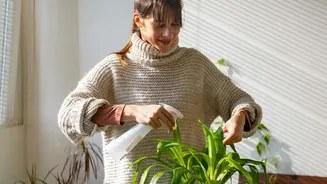
Overwatering and underwatering are the most common reasons balcony plants fail. The key is consistency, not quantity. Instead of a rigid schedule, check the soil daily. The best method is the 'knuckle test': insert your finger about an inch into the soil. If it feels dry, it's time to water. Water deeply until you see it run out of the drainage holes at the bottom of the pot. This ensures the entire root system gets a drink. Water early in the morning or late in the evening to minimise evaporation. Lifting the pot can also give you a clue; a light pot is a dry pot.
Use the Right Pots and Soil
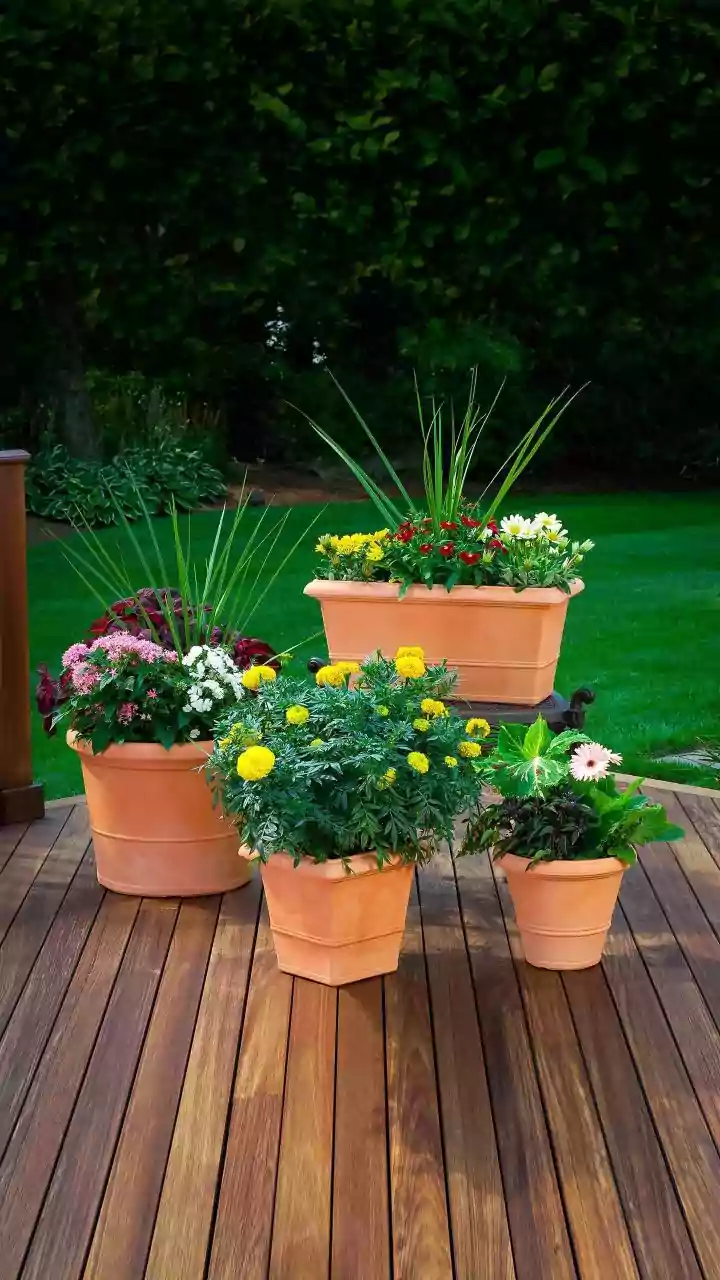
In a small space, it's tempting to use small pots, but this is a common mistake. Small pots dry out faster and restrict root growth. Opt for the largest pots your space can comfortably accommodate. Ensure every pot has drainage holes to prevent waterlogging, which leads to root rot. Use a high-quality, well-draining potting mix rather than heavy garden soil, which becomes compacted in containers. For a clean look and to create an illusion of space, try to use pots of similar colours or materials.
Go Vertical and Be Smart with Space
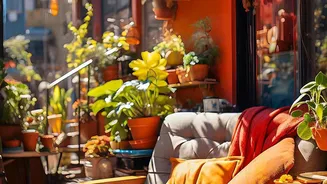
When floor space is limited, think upwards. Using vertical space is a clever way to make a small garden feel bigger and more layered. Install trellises for climbing plants like Jasmine or Money Plant. Use railing planters for colourful flowers like Petunias or hanging baskets for trailing plants like Spider Plant or English Ivy. This draws the eye upward and allows you to grow more without creating clutter on the floor. Avoid overcrowding; a few well-placed, healthy plants will have a much greater impact than a jumble of struggling ones.
The Five-Minute Daily Check-In
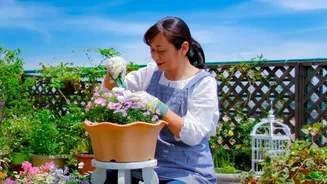
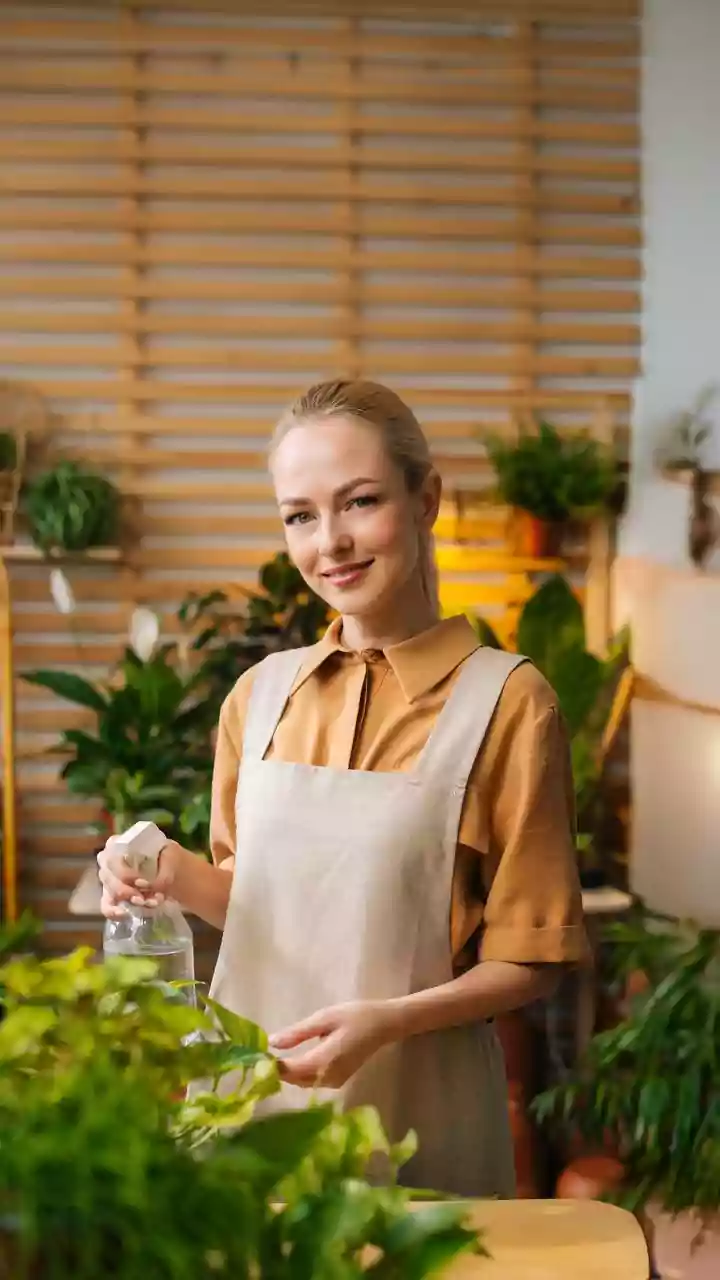
The 'simple daily attention' from the headline is best embodied by a quick, five-minute routine. Each day, take a moment to: 1. Check the soil for moisture. 2. Look at the leaves for any signs of pests or discoloration. 3. Rotate the pots slightly so all sides get some light over time. 4. Remove any dead leaves or spent flowers to encourage new growth. This brief interaction not only keeps you ahead of any potential problems but also connects you with your green space, making it a source of calm and accomplishment. It turns maintenance from a periodic, overwhelming task into a simple, manageable daily habit.