
A New Line of Defence
In the vast agricultural belts of Punjab and Maharashtra, farming has always been a battle against uncertainty. Weather is unpredictable, but the relentless march of pests and fungal diseases is a near certainty. Traditionally, identifying a threat meant
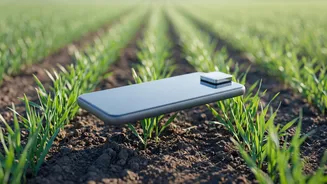
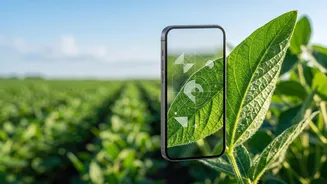
relying on guesswork or waiting for a government extension officer to visit, by which time an infestation could have spread uncontrollably. This often led to the overuse of broad-spectrum pesticides, a costly practice that damages soil health and reduces profits. Today, however, the most crucial sensor in the field is often the farmer's own smartphone. By leveraging the power of artificial intelligence, a new generation of applications is turning these everyday devices into advanced diagnostic tools, offering a lifeline to smallholder farmers.
How a Photo Saves a Harvest
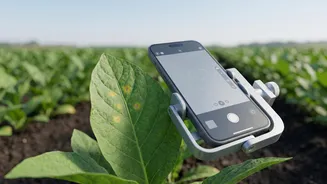
The technology works with remarkable simplicity. When a farmer spots tell-tale signs of distress on a plant—a yellowing leaf, a strange lesion, or an unfamiliar insect—they simply take a photo using a specialised app. Behind the scenes, a powerful AI model, trained on hundreds of thousands of images of plant diseases, analyses the picture in seconds. It uses computer vision to identify the specific pest or disease, from devastating bollworms in cotton to blight in tomatoes. The app then delivers an instant verdict and, more importantly, a clear, actionable recommendation in the local language. This might include advice on whether a pesticide spray is necessary, which specific chemical to use for a targeted attack, and the optimal time to apply it, preventing unnecessary and expensive blanket spraying.
Real-World Impact in the Fields
This is not a futuristic concept; it's happening now. In Maharashtra, a major cotton-producing state, many farmers are using the Wadhwani AI 'CottonAce' app to fight against pests like the pink bollworm. The results are transformative. Farmers using the AI-guided system have reported a reduction in pesticide costs by up to 25% and an increase in profits by around 20%. These individual actions are supported by broader government initiatives. The National Pest Surveillance System (NPSS), a platform that uses AI technology from non-profits like Wadhwani AI, has been rolled out across 31 states and territories, including Punjab and Maharashtra. This system allows extension workers and farmers to upload pest images, creating a real-time map of emerging threats and enabling faster, more coordinated responses.
More Than Just a Sensor
The AI revolution in Indian agriculture extends beyond just identifying diseases. In Maharashtra, the 'MahaVISTAAR-AI' initiative provides farmers with a generative AI-powered chatbot. By simply speaking or typing into their phones in their local dialect, farmers can ask questions about anything from current market prices and weather forecasts to specific government support schemes. This democratisation of information is crucial. Instead of navigating complex websites or waiting for official guidance, farmers get immediate, trusted answers drawn from agricultural research institutes and government data. The platform's rapid adoption, with over three million downloads in just a few months, proves the immense demand for accessible, reliable advice.
The Future of Farming is Affordable Tech
What makes this movement so powerful is its focus on affordability and accessibility. These are not expensive, high-tech gadgets reserved for large corporate farms. They are 'small AI' tools designed to run on basic smartphones, often capable of working in areas with limited internet connectivity. The technology leverages hardware that millions of farmers already own. Initiatives pioneered at universities in Punjab and engineering colleges in Pune are further exploring low-cost hardware solutions to expand this reach. By putting diagnostic power directly into the hands of farmers, this technology empowers them to make smarter, faster decisions that protect their crops, their income, and the environment.