
Choose a Theme and Select Your Teas
The first step is deciding which teas to serve. A theme can make your selection feel curated and special. You could explore teas from a single region, like India or Japan, or create a 'flight' that moves through different types of tea. For a beginner-friendly
tasting, aim for three to five different teas. A great starting lineup could include a delicate white tea, a grassy green tea, a complex oolong, and a robust black tea. This progression allows guests to experience a wide range of flavors without overwhelming their palates. The key is variety, not volume. You don't need to be an expert; just choose what sounds interesting to you.
Gather Your Essentials
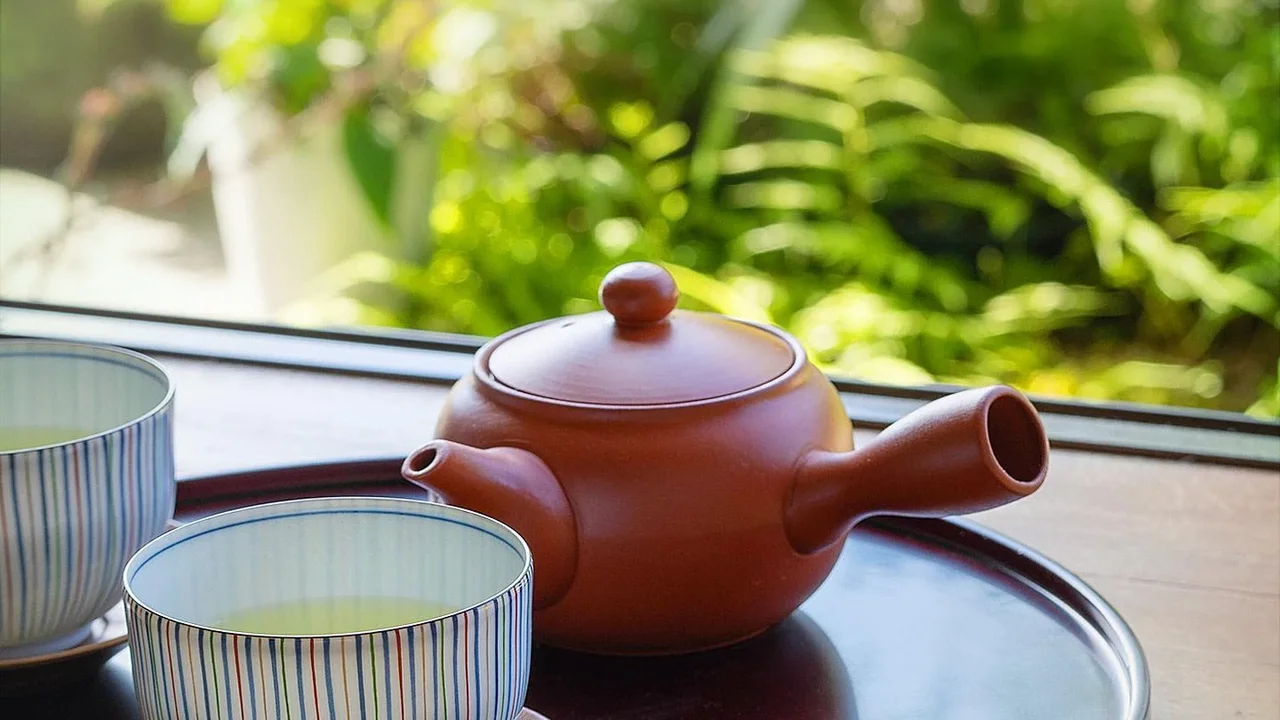
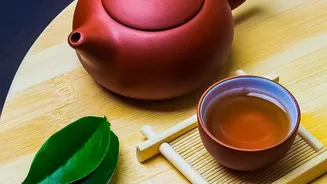
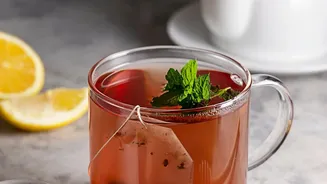
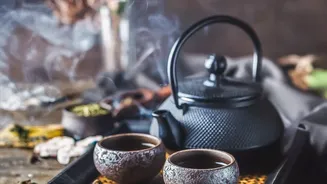
You don't need professional equipment to host a beautiful tasting. Most of what you need is likely already in your kitchen. You will want a kettle for hot water, a way to steep each tea (either separate small teapots or infusers), and tasting cups for each guest. Using small, light-colored or white cups is ideal, as it allows everyone to appreciate the distinct color of each brew. Have a timer handy to ensure consistent steeping times, and consider providing note cards and pens so guests can jot down their impressions. It’s a fun way to engage with the process and remember which teas were their favorites.
Prepare Simple, Palate-Friendly Snacks
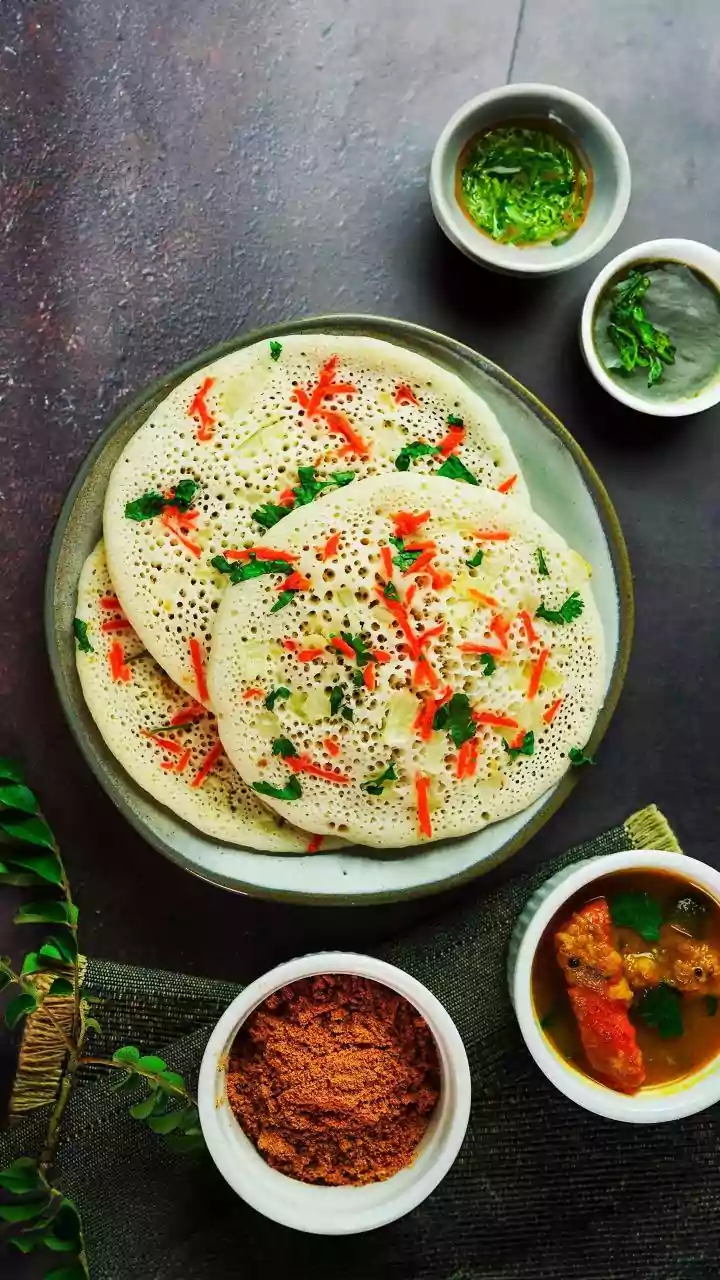
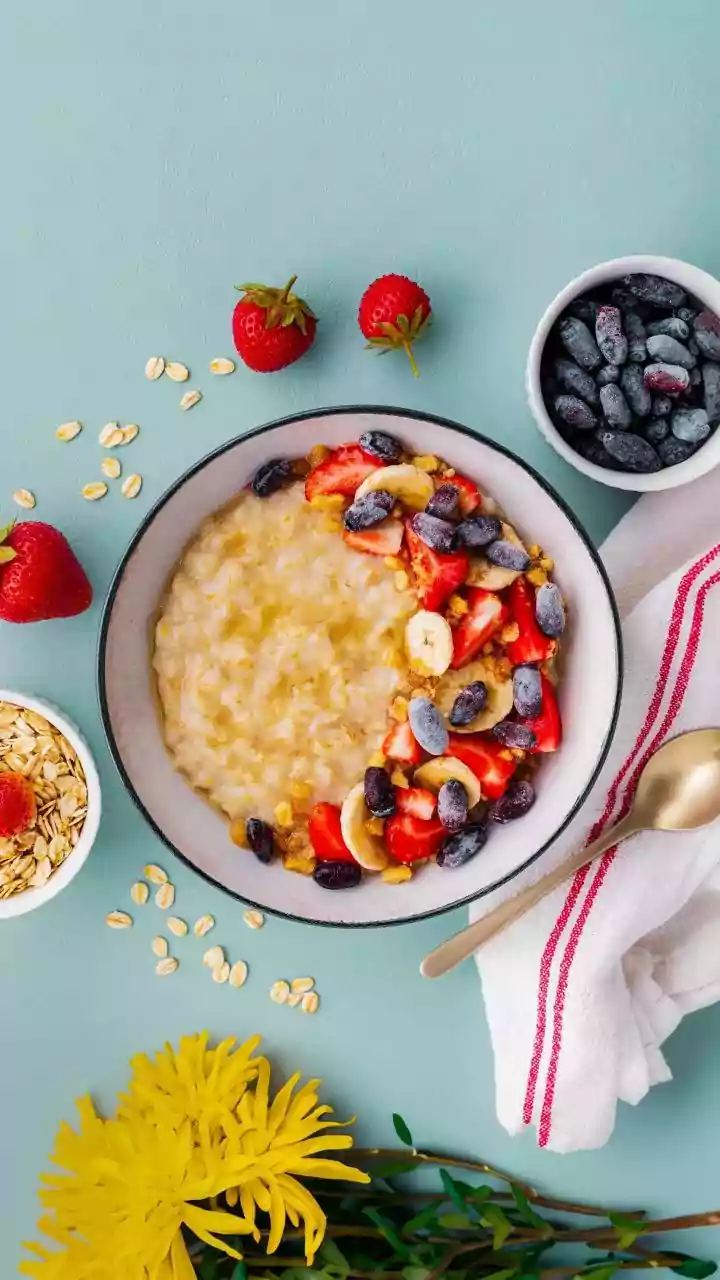
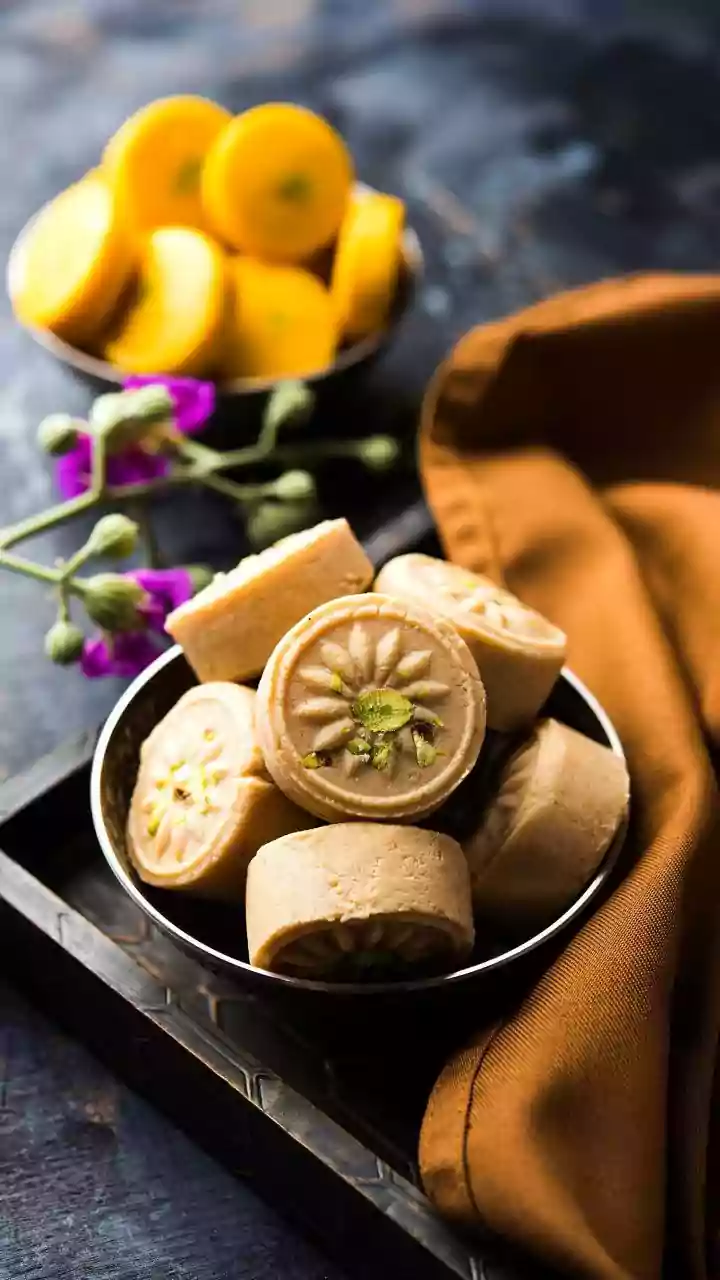
While elaborate food pairings can be an art form, the focus of a tasting is the tea itself. For this reason, it's best to serve neutral snacks that won't overpower the delicate flavors you're exploring. Simple items like plain crackers, unsalted nuts, mild biscuits, or slices of bread work perfectly as palate cleansers between sips. If you want to offer something more substantial, light finger foods are a great choice. Think cucumber sandwiches, which pair well with white tea, or mild cheeses and fresh fruit. The rule of thumb is to match the weight of the food to the weight of the tea; light foods for light teas, and richer foods for bolder teas.
Guide the Tasting Experience
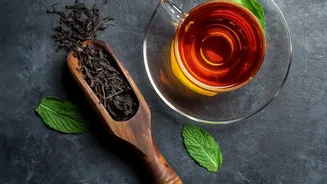
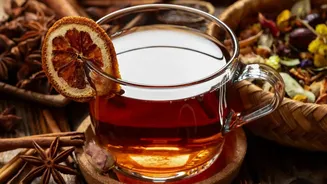
The heart of the event is the tasting itself. To make it a sensory experience, guide your guests through a simple, mindful process for each tea. Start by observing the dry leaves—their shape, color, and aroma. After brewing, pour the tea and have everyone observe the color of the liquid, also known as the liquor. Next, smell the tea's aroma before taking the first sip. Professionals often use a loud 'slurp' to aerate the tea and spread it across the palate, which can be a fun (and not at all rude) technique to try. Encourage conversation: What flavors do people notice? Is it floral, earthy, sweet, or smoky? There are no wrong answers; personal impressions are what make it enjoyable.
Keep the Atmosphere Relaxed and Fun
Above all, remember the goal is a relaxed session. This isn't an exam; it's a social gathering. Keep the group small, ideally four to eight people, to foster easy conversation. Play some soft background music and avoid any strong scents like scented candles that could interfere with the teas' aromas. Prepare the teas one by one so everyone can enjoy them freshly steeped. The tasting order should generally go from the lightest teas (white, green) to the most robust (oolong, black) to prevent palate fatigue. Your role as the host is to facilitate enjoyment, not to be a tea master. Your enthusiasm is what will make the event memorable.