



From 'Poor Man's Grain' to Modern Superfood
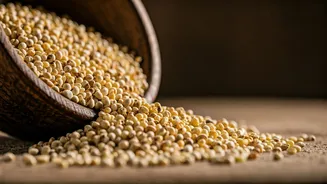
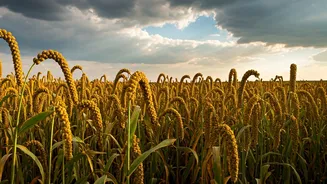
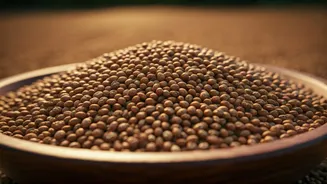
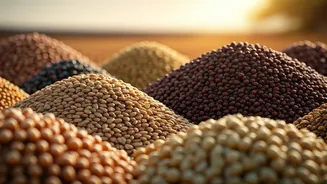
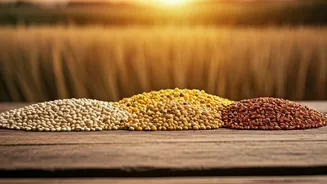
For generations, millets were a dietary cornerstone in India, especially in rural and arid regions. Known by local names like jowar (sorghum), bajra (pearl millet), and ragi (finger millet), these grains were valued for their hardiness. However, the Green
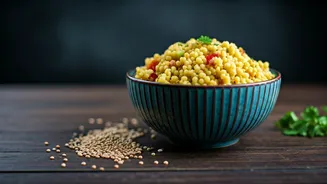
Revolution in the 1960s shifted agricultural focus to high-yield varieties of wheat and rice, which were seen as more profitable and modern. Supported by government subsidies and irrigation, these crops pushed millets to the background, often labelling them as 'poor man's grains'. Fast forward to today, and that perception has been completely turned on its head. Health-conscious urban consumers, chefs, and nutritionists are rediscovering millets, now celebrated as 'nutri-cereals' or 'Shree Anna' (the esteemed grain). This revival marks a full circle, bringing ancient wisdom back into our modern kitchens.
The Climate-Resilient Advantage
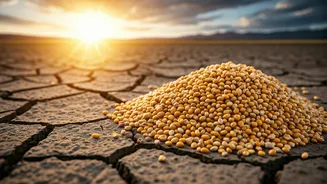
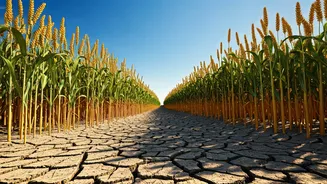
A primary driver of the millet resurgence is their incredible resilience to climate change. As India faces challenges like erratic monsoons, rising temperatures, and water scarcity, millets offer a sustainable solution. They are hardy crops that require significantly less water than rice and wheat—some estimates suggest up to 70% less. Millets can thrive in poor soil, tolerate high temperatures, and have a natural resistance to pests, reducing the need for expensive chemical inputs. This makes them a lower-risk, more profitable option for smallholder farmers, particularly in dryland areas. By diversifying crops away from water-intensive staples, farmers can build greater resilience against climate shocks, ensuring a more stable food supply for the future.
A Nutritional Powerhouse for Modern Lifestyles
The demand for millets is also fuelled by a growing awareness of their health benefits. These grains are a nutritional goldmine. Naturally gluten-free, they are a great alternative for people with celiac disease or gluten sensitivity. Millets are packed with protein, fibre, and essential minerals. For example, ragi is one of the best natural sources of calcium, crucial for bone health, while bajra is rich in iron, which helps combat anaemia. With a low glycemic index, millets release sugar into the bloodstream slowly, helping to manage blood sugar levels and making them suitable for diabetics. Their high fibre content aids digestion and promotes a feeling of fullness, which can help with weight management.
The Government and Global Push
The revival hasn't happened in a vacuum. A significant policy push has been instrumental. Spearheaded by India, the United Nations declared 2023 the 'International Year of Millets', catapulting these grains onto the global stage. This initiative was designed to raise awareness about their nutritional and environmental benefits and boost demand. Domestically, various government schemes under the National Food Security Mission, like the Initiative for Nutritional Security through Intensive Millet Promotion (INSIMP), have been launched to support farmers and increase production. States like Odisha, Karnataka, and Chhattisgarh have also rolled out their own 'Millet Missions' to promote cultivation, processing, and consumption through the public distribution system (PDS) and mid-day meals.
Startups and the New Millet Market
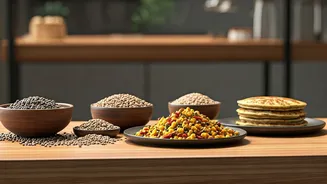
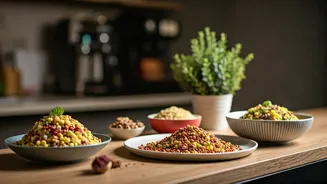
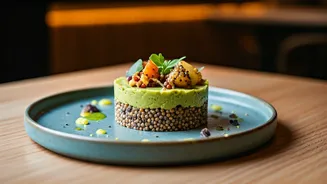
Making ancient grains appealing to the modern palate is key, and Indian startups are rising to the challenge. Entrepreneurs are transforming millets into a range of convenient and tasty products. You can now find everything from millet-based breakfast cereals, pasta, and noodles to cookies, idli/dosa mixes, and even pani puri. Companies like Slurrp Farm, Millennova Foods, and Troo Good are creating innovative, ready-to-eat options that fit into busy lifestyles, effectively breaking the stereotype that millets are difficult or time-consuming to cook. By branding millets as healthy, tasty, and convenient, these businesses are creating a vibrant new market and making it easier than ever for consumers to incorporate these super grains into their daily diet.