






The Undeniable Perks of Eating Seasonally
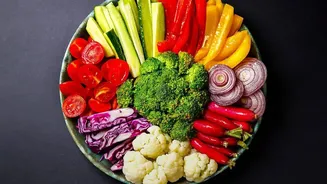
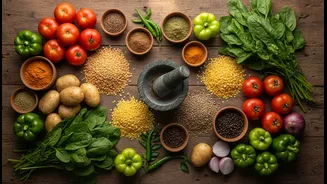
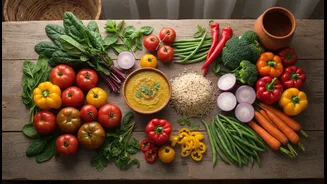
Choosing vegetables that are in season is one of the smartest decisions you can make for your family's meals. When produce is picked at its peak, it is packed with the highest levels of vitamins, minerals, and antioxidants. A locally grown, in-season
tomato, for instance, can have significantly more Vitamin C than one purchased out of season. Beyond nutrition, the flavours are far superior; produce that ripens naturally on the vine is simply tastier and fresher. It’s also lighter on your wallet. When farmers have an abundant harvest, prices drop, making it an economical choice. Opting for seasonal produce also means you are supporting local farmers and reducing the environmental footprint associated with storing and transporting vegetables from far away.
Monsoon Magic: Your Tiffin Guide (June-September)
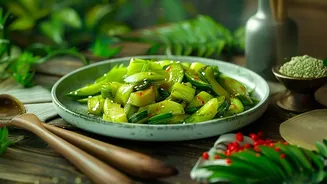
The rainy season brings a welcome respite from the heat and offers a unique bounty of vegetables. While it's wise to be cautious with leafy greens, many other vegetables thrive. Gourds are the stars of this season. Think of lauki (bottle gourd), turai (ridge gourd), parwal (pointed gourd), and tinda (Indian squash). These vegetables are high in dietary fibre and have high water content, making them easy to digest. For the lunchbox, consider making simple lauki curry, stir-fried turai, or a delicious bhindi (okra) posto. Another monsoon favourite is bhutta (corn), which can be boiled and lightly spiced for a simple tiffin snack. Vegetables like bitter gourd (karela) are also excellent during this time, as they are rich in Vitamin C and help boost immunity.
Winter Wonders: Hearty and Healthy (November-February)
Winter brings a vibrant array of produce to Indian markets. This is the season for lush leafy greens and robust root vegetables. Spinach (palak), fenugreek (methi), and mustard greens (sarson) are at their nutritional peak. Root vegetables like carrots, beets, radish (mooli), and turnips are also abundant. These ingredients are perfect for creating warm and comforting lunchbox meals. Pack flavourful methi aloo or methi thepla, which are easy to eat on the go. A simple aloo gobi made with fresh cauliflower is a timeless classic. For a nutrient-packed meal, a colourful mixed vegetable curry using carrots, peas, and beans is a fantastic option. Even the beloved gajar ka halwa can be a special tiffin treat.
Summer Staples: Light and Cooling (March-May)
As temperatures rise, the body craves lighter, more hydrating foods. Summer vegetables are perfectly suited for this. Cucumbers, pumpkins, and a variety of gourds are excellent choices. These vegetables have high water content and help keep the body cool. For a quick lunch, a cooling cucumber salad or a simple pumpkin sabzi is ideal. Lauki (bottle gourd) makes another appearance, perfect for light curries or even savoury raita. This is also a great time for beans and ladies' finger (bhindi), which can be prepared as a simple stir-fry or a flavourful bhindi masala. These dishes are not only easy to prepare but also provide essential hydration and nutrients to get through a hot day.
Weekend Prep for Weekday Ease
The key to a stress-free morning is a little weekend preparation. Dedicate an hour or two to get your vegetables ready for the week. You can wash, chop, and store vegetables like carrots, beans, and bell peppers in airtight containers in the fridge. For greens like spinach, you can wash, blanch, and make a puree to be used later in the week for curries or dough. Onions and tomatoes can be chopped or pureed and stored. You can also pre-roast vegetables like eggplant for bharta. Having these components ready to go means you can assemble a fresh, home-cooked lunch in minutes, even on the busiest of mornings. This simple habit removes the daily guesswork and makes healthy eating an effortless part of your routine.