


A Renaissance of Ancient Grains
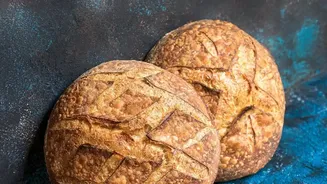
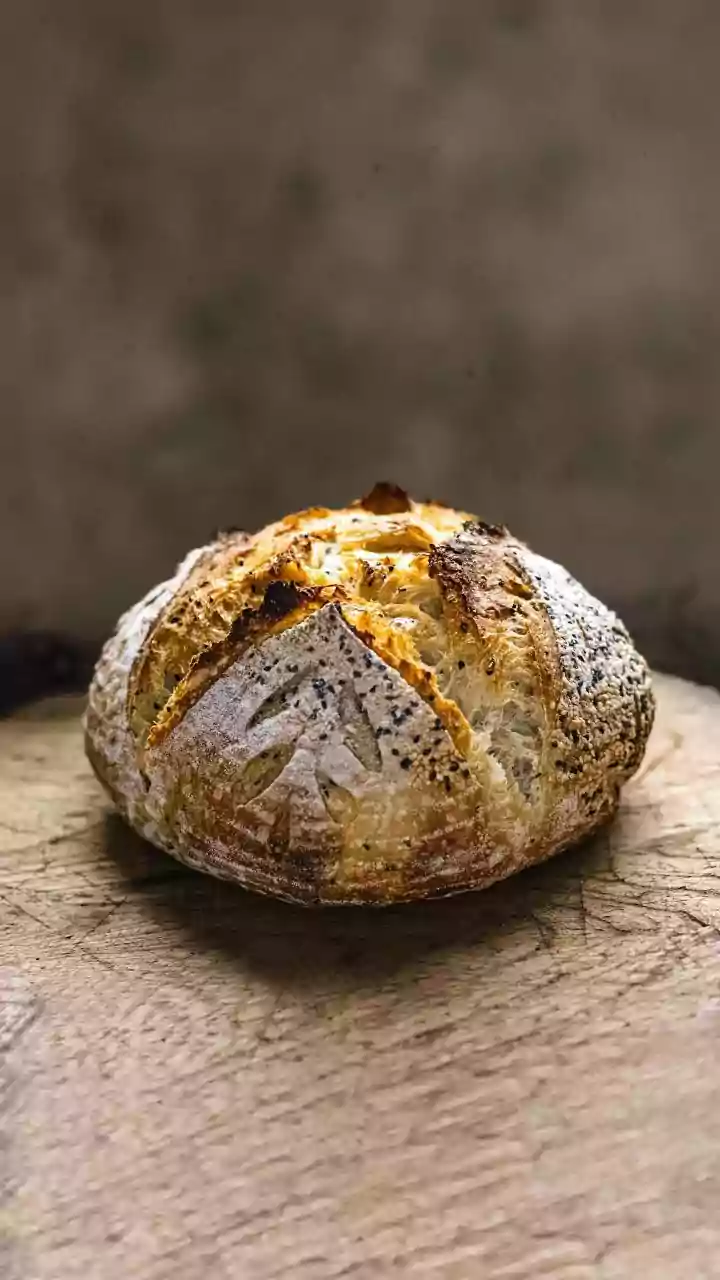
Walk into a trendy urban cafe or an artisanal bakery in cities like Bengaluru, Delhi, or Mumbai, and you'll notice something different on the menu. Alongside classic croissants and sourdough loaves, you are now likely to find ragi brownies, jowar bread,
and bajra cookies. This isn't just a fleeting fad; it's a fundamental shift in baking philosophy, driven by a growing consumer demand for healthier, more sustainable food choices. Once seen as humble, rural staples, millets are being rediscovered by a new generation of health-conscious city dwellers. Their comeback has been fuelled by their impressive nutritional profile—naturally gluten-free, high in fibre and essential minerals—and a renewed appreciation for indigenous ingredients, further amplified by government initiatives like the 'International Year of Millets'.
More Than Just a Health Kick
The move toward millets goes beyond calorie counting. It taps into a broader cultural desire for mindful consumption and sustainability. Similar to the sourdough craze, which saw people reconnecting with the slow, natural process of fermentation, the millet trend represents a return to agricultural roots. These ancient grains are famously resilient, requiring significantly less water to grow than wheat or rice, making them a more climate-friendly choice. By championing local millets, bakers and consumers are also supporting Indian farmers and helping to preserve agricultural biodiversity. This creates a powerful narrative where a simple purchase—a millet cookie or a loaf of bread—becomes an act of personal wellness that also benefits the planet and local economies.
The Baker's Gluten-Free Puzzle
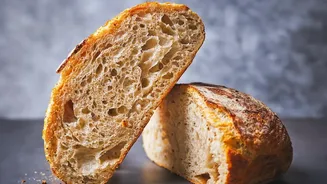
Swapping wheat for millet isn't as simple as switching one flour for another. The biggest challenge lies in what millets lack: gluten. Gluten is the protein network in wheat that gives dough its elasticity, allowing bread to rise and hold its airy structure. Without it, bakes can become dense, dry, and crumbly. This is where modern bakers have turned into food scientists. They are mastering the art of the blend, often combining millet flour with other flours like almond or oat to achieve a better texture. To mimic the binding properties of gluten, they use natural agents like psyllium husk, flaxseed powder, or chia seeds. Extra moisture is also key; ingredients like yoghurt, mashed bananas, or even grated vegetables are added to keep the bakes soft and delicious.
A Millet for Every Mood
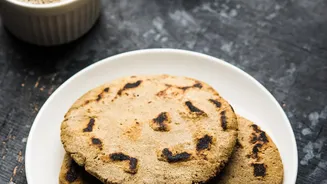
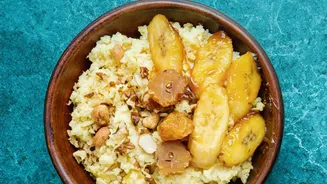
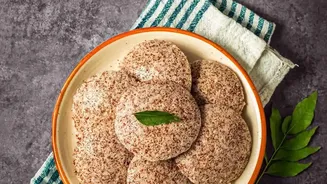
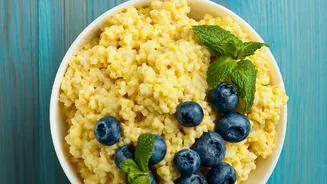
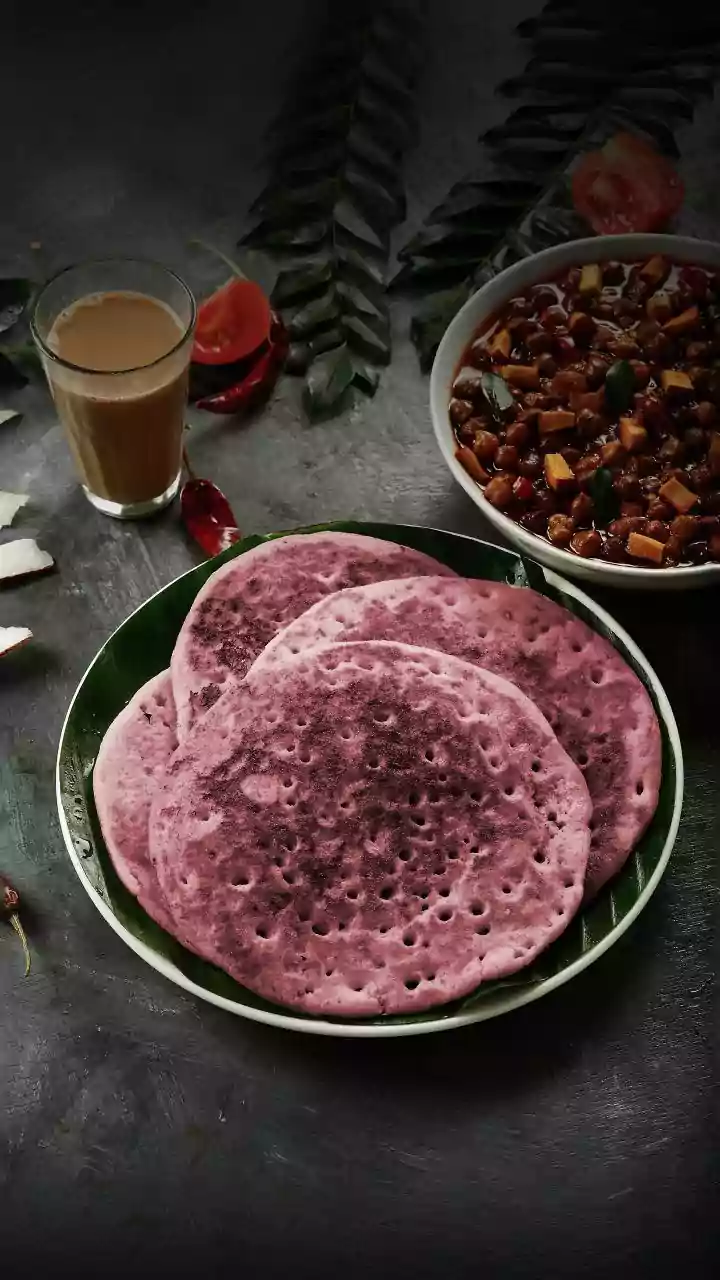
One of the most exciting aspects of this trend is the sheer diversity of millets available. Each type brings its own unique flavour, colour, and nutritional benefits to the table. Ragi (finger millet), with its deep, earthy flavour and rich colour, has become a popular choice for dense, fudgy brownies and cakes. Jowar (sorghum) flour, known for its mild, neutral taste, is being used to create softer breads and rotis. Bajra (pearl millet) lends a nutty taste that works wonderfully in cookies and flatbreads. Other varieties like foxtail, barnyard, and kodo millet are also finding their way into everything from crepes to tarts, giving bakers a wide palette of flavours and textures to experiment with.
From Niche to Mainstream
What started with a few pioneering artisanal bakers like Loafer & Co in Bengaluru is now becoming a mainstream movement. Dedicated millet-focused brands like ME & MILLETS and Millimo are creating accessible, packaged goods for daily consumption. Even premium dessert brands such as Smoor are incorporating millets into their gourmet offerings, signalling a clear shift in the market. This growing availability, from high-end cafes to online grocery stores, is making it easier than ever for Indians to incorporate these nutritious grains into their modern lifestyles. It's a sign that millets are no longer just a 'health food' but are being celebrated for what they are: a delicious, versatile, and essential part of India's culinary heritage.