





A Celestial Spectacle
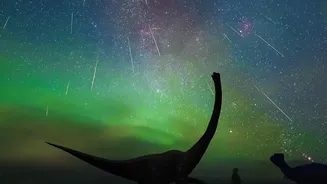
The Perseid meteor shower happens every year when Earth passes through the trail of cosmic debris left behind by Comet 109P/Swift-Tuttle. These tiny particles, most no bigger than a grain of sand, enter our atmosphere at incredible speeds and burn up,
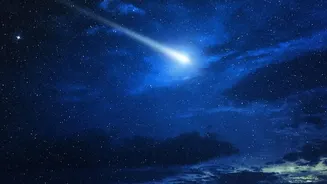
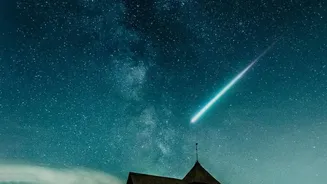
creating the brilliant streaks of light we call 'shooting stars'. The Perseids are famous for their brightness and speed, often leaving glowing trails that linger for a few seconds. They are also known for producing spectacular 'fireballs', which are larger explosions of light and colour that can illuminate the night sky.
Mark Your Calendar for Peak Viewing
For viewers in India, the key dates for the 2026 Perseid meteor shower are the nights of August 12 and 13. While the absolute peak is predicted for the evening of August 13, the best viewing window will be in the pre-dawn hours of both mornings, specifically between 2:00 AM and 4:30 AM IST. This is when the shower's radiant point in the constellation Perseus is high in the sky, increasing the number of visible meteors. What makes 2026 exceptional is that the peak coincides with a new moon, ensuring the skies will be perfectly dark and free from lunar glare, making it possible to spot even the faintest meteors.
Tip 1: Escape the City Glow
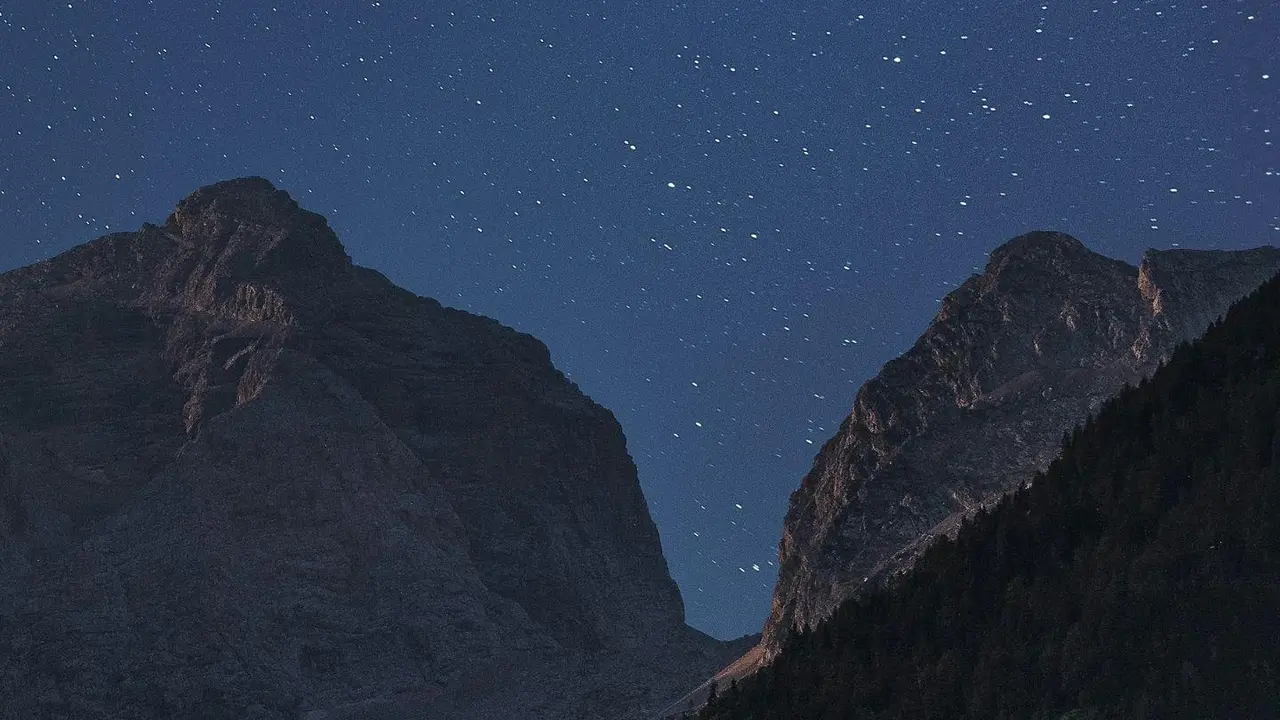
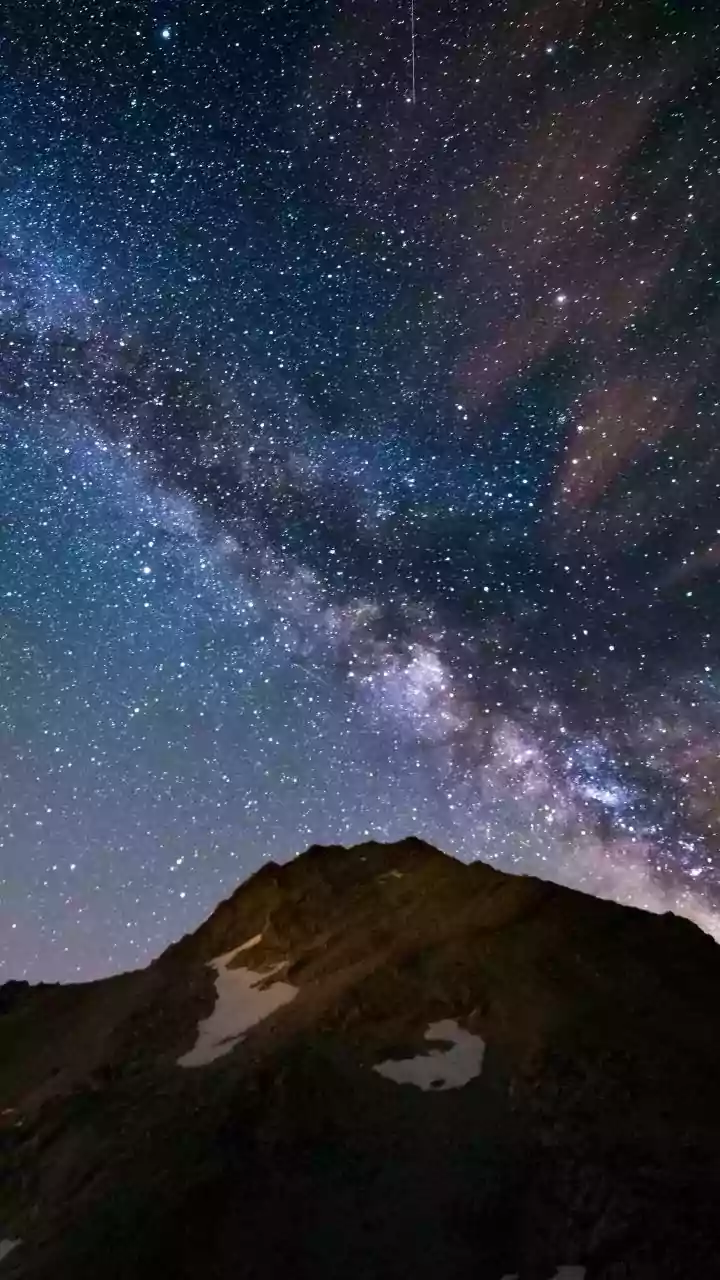
The single most important factor for a good viewing experience is darkness. The headline’s advice for ‘low light’ is crucial. City lights create a haze known as light pollution that washes out the night sky, obscuring all but the brightest meteors. To maximize your chances, you need to get as far away from urban centres as possible. Think rural areas, hills, or open countryside. In India, the main challenge during August is the monsoon, which can bring heavy cloud cover. Your best bet for clear skies might be in high-altitude, rain-shadow regions like Ladakh or Spiti, or arid areas such as the Rann of Kutch. Places like the Hanle Dark Sky Reserve in Ladakh are ideal.
Tip 2: Find an Unobstructed View
Once you have found a dark location, look for a spot with a 'clear horizon'. This means an open area with a wide, unobstructed view of the sky, free from tall buildings, trees, or hills. While the meteors appear to originate from the constellation Perseus in the northeast, they can streak across any part of the sky. The more sky you can see, the better your odds of spotting one. You don't need a telescope or binoculars; in fact, they will only restrict your field of view. Your naked eyes are the best tool for the job. Lie back on a blanket or a reclining chair, look up, and take in as much of the sky as you can.
Tip 3: Patience is a Virtue
Finally, you need to give the experience 'enough waiting time'. It takes about 20 to 30 minutes for your eyes to fully adapt to the darkness, a process called dark adaptation. During this period, avoid looking at any bright lights, especially your phone screen, as it will reset your night vision instantly. Patience is also required because meteor showers are not a constant downpour. There will be lulls in activity followed by bursts of several meteors. Under ideal conditions, you might see between 50 and 100 meteors an hour, but that averages out to about one or two a minute. So, get comfortable, and be prepared to spend at least an hour watching.
Your Meteor-Watching Checklist
To make your stargazing night comfortable and successful, consider bringing a few key items. A blanket or a reclining chair is essential for comfortable viewing without straining your neck. Even in August, nights can get chilly, especially at higher altitudes, so dress in warm layers. Pack some snacks and a warm drink like tea or coffee. A red-light torch is a great accessory; the red light helps you see your surroundings without ruining your night vision like a white light would. Most importantly, bring along friends or family to share the experience. The 'oohs and aahs' are always better when shared.