




More Than Just a Fashion Statement
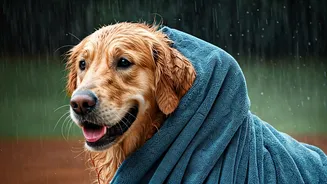
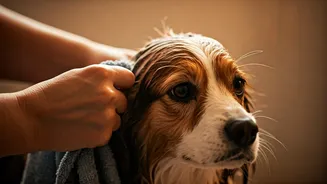
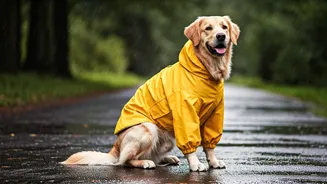
A good raincoat does more than just keep your dog from getting drenched. It serves several practical purposes that benefit both pet and owner. Firstly, it keeps your dog cleaner by preventing mud and dirty water from soaking into their fur. This means
less time spent on post-walk cleanups and fewer baths, which can strip natural oils from your dog's coat. Secondly, it offers crucial protection from the elements. Wet fur loses its insulating properties, which can lead to chills and discomfort, especially for short-haired breeds, senior dogs, and smaller pups who are more susceptible to the cold. A waterproof and windproof jacket helps maintain their body temperature. Prolonged exposure to moisture can also contribute to skin irritation or infections, so a raincoat acts as a protective barrier.
Decoding 'Durable' Materials
When the headline promises durability, it's referring to the fabric. The most common materials for high-quality dog raincoats are tightly woven synthetics like polyester and nylon. Both are lightweight and effective at repelling water. Polyester is noted for being breathable, which is crucial for preventing your dog from overheating, especially in humid climates. Nylon is known for its superior strength and durability, making it a great choice for very active dogs that might run through brush. Many jackets are made waterproof with a coating of polyurethane (PU) or polyvinyl chloride (PVC). While fully rubberised or PVC coats offer maximum waterproofing, they are often heavy and lack breathability, which can be uncomfortable for your dog on anything but the coldest days.
Waterproof vs. Water-Resistant
These terms are often used interchangeably, but they mean different things. A 'water-resistant' jacket can handle light mist or a brief shower, but water will eventually soak through in a steady downpour. A 'waterproof' jacket is designed to provide a complete barrier against rain, keeping your dog dry even during heavy or prolonged showers. For the kind of rain often experienced during Indian monsoons, a truly waterproof coat is the more reliable investment. The waterproof rating is often measured in millimetres (mm); a higher number signifies better protection against heavy rain.
Key Features for a Perfect Fit
A raincoat is only effective if it fits well and stays in place. Look for adjustable straps around the chest and neck to ensure a snug but comfortable fit that doesn't restrict movement. An ill-fitting coat can chafe or slip, causing discomfort. Many designs offer good belly coverage to protect your dog’s underside from splashes. Another critical feature is a leash access hole, which is a small, often covered, opening on the back of the coat that allows you to clip a leash to your dog's harness or collar underneath. This prevents you from having to awkwardly fit the harness over the jacket, which can compromise its fit and waterproof integrity. For walks in the early morning or late evening, reflective strips or bright colours are a vital safety feature, enhancing visibility in low-light conditions.
How to Measure Your Dog
To ensure you buy the right size, you'll need a soft measuring tape. Always measure your dog while they are standing up straight. The three key measurements are the back length, chest girth, and neck girth. For the back length, measure from the base of the neck (where their collar sits) to the base of their tail. For the chest, measure around the widest part of their ribcage, which is usually right behind the front legs. It’s a good rule of thumb to leave enough space to fit two fingers between the tape and your dog's body for a comfortable fit. Finally, measure around the neck where a collar would naturally sit. Always compare your dog's measurements to the specific brand's size chart, as sizing can vary significantly. If your dog is between sizes, it's usually best to size up.