






The Allure of the 'Great Deal'
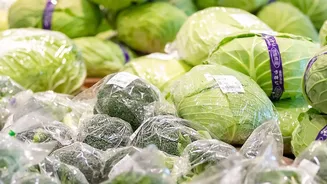
Walking into a wholesale club or the bulk aisle of a supermarket can feel like a treasure hunt. The prices are tempting, and the large quantities create an illusion of abundance and savings. Psychologically, our brains are wired to respond to discounts
and the perception of getting more for less. This can lead to what's known as 'deal psychology', where the excitement of the bargain overshadows the practical question: will I actually use all of this? Many shoppers focus solely on the unit price—the cost per gram, per piece, or per litre. While a lower unit price is a good starting point, it only tells half the story. The other, more critical half is how quickly you'll consume the product. A 2025 study found that while bulk buying can save shoppers around 27% on average, a significant portion of those purchases can end up as waste. This is where the simple concept of 'use rate' becomes your most powerful tool for smart shopping.
Defining Your 'Use Rate'
Use rate is the speed at which you and your household consume an item. It’s the difference between a product you will eventually use and a product you use consistently and quickly. For example, a family of four might have a very high use rate for rice, dal, and cooking oil, making a large sack a sensible purchase. However, that same family might have a very low use rate for a specialty barbecue sauce or an imported cheese. Even if the unit price for the sauce is incredibly low, if it takes a year to finish the bottle and it expires in six months, the purchase results in a net loss. Thinking in terms of use rate shifts your mindset from 'how much am I saving per unit?' to 'how much value will I get before this expires or I get tired of it?'. It forces you to be honest about your household's actual consumption habits, not your aspirational ones.
A Shopper's Checklist for Bulk Buys
Before you place that oversized item in your cart, run through this quick mental checklist:
1. Shelf Life vs. Your Life: Check the expiration date. Is it generous? Now, be honest: how long will it realistically take you to finish it? A two-year shelf life on a five-litre bottle of ketchup doesn't help if your family only uses a small bottle every six months. For items like spices, remember they lose potency over time, even if they don't technically expire.
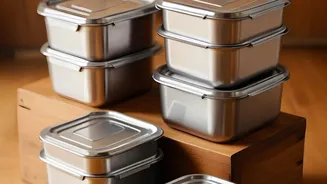
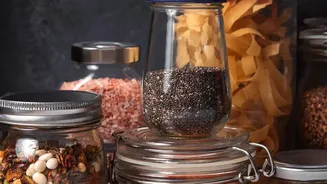
2. The Hidden Cost of Storage: Do you have adequate, proper storage space? A giant bag of flour needs a cool, dry, airtight container to prevent pests. An extra freezer is needed for bulk meats. Storing items incorrectly can lead to spoilage, defeating the purpose of the purchase.
3. The 'Fatigue' Factor: Variety is the spice of life. Will you or your family get tired of the same flavour of jam, the same brand of biscuits, or the same scent of soap for months on end? Sometimes, paying a little more for smaller quantities allows for more variety and enjoyment.
4. Is It a True Staple? The safest bulk buys are items you use regularly and predictably. Think toilet paper, laundry detergent, toothpaste, or pantry essentials like lentils and grains if your consumption is high and steady. Avoid buying trendy snacks or new-to-you products in bulk, no matter how good the deal seems.
When Bulk Buying Is a Clear Winner
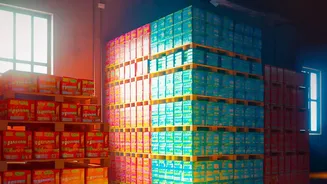
This isn't to say all bulk buying is bad. When done thoughtfully, it's a fantastic way to save money and reduce packaging waste. The strategy shines brightest with non-perishable or long-lasting items that have a high and consistent use rate in your home. Paper products, cleaning supplies, and essential toiletries are almost always smart bulk purchases because they don't expire and you know you'll get through them. For food, focus on shelf-stable pantry items that form the backbone of your meals. If you have the freezer space, portioning and freezing items like meat or bread can also be very effective. Some savvy shoppers even split bulk purchases with friends or family, allowing them to enjoy the lower unit price without taking on the entire quantity and storage burden.