

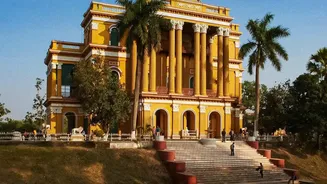
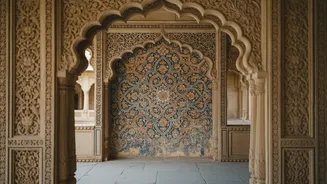
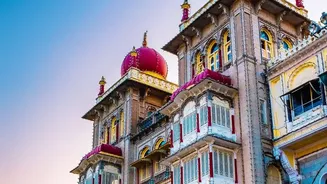
An Open-Air Art Gallery
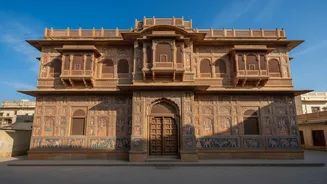
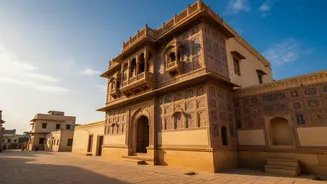
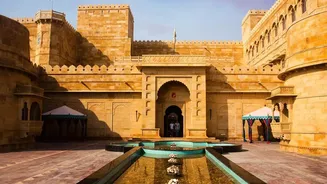
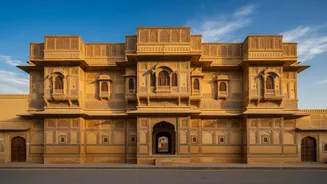
Shekhawati is not a single city but a semi-arid historical region in northeastern Rajasthan, encompassing towns like Mandawa, Nawalgarh, and Fatehpur. Often called the 'open-air art gallery of Rajasthan', its fame comes from the countless havelis (traditional
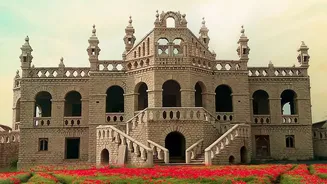
mansions) adorned with intricate fresco paintings. This artistic boom dates back to the 18th and 19th centuries when wealthy Marwari merchants, who made their fortunes along historic trade routes, funnelled their wealth back into their hometowns. They competed to build the most spectacular residences, turning plain walls into vibrant canvases that chronicled the life and times of the era. Wandering through these towns feels like stepping into a living museum where every street and alleyway reveals another masterpiece.
Stories on the Walls
The frescoes of Shekhawati are a fascinating blend of themes and styles. Early paintings often drew from mythology, depicting scenes from the Ramayana and Mahabharata or the playful antics of Lord Krishna. As the merchant families' exposure to the wider world grew, so did the scope of their art. The walls began to feature a unique fusion of Indian and European influences. You might see a traditional depiction of a god next to a painting of a steam locomotive or an early automobile, subjects the local artists painted to showcase the latest technologies of the day. Portraits of British royalty, scenes of European life, and new inventions like gramophones and bicycles were painted alongside depictions of local festivals and folk tales, creating a rich visual history of a culture in transition.
The Quiet Allure of the Off-Season
While the peak tourist season in Shekhawati runs from October to March when the weather is cool and pleasant, visiting during the off-season offers a different, more intimate experience. The summer months (April-June) are intensely hot, but this time can reward budget travellers with significant discounts. The monsoon (July-September) brings a dramatic change. The semi-desert landscape gets a wash of green, the air is cooler, and the crowds are virtually non-existent. This quieter period allows for unhurried exploration. You can often have entire havelis to yourself, studying the frescoes without jostling for space. This solitude provides a more personal connection to the art and the atmosphere of these decaying, beautiful structures, many of which are now abandoned and locked up.
The Authentic Homestay Experience
To truly understand Shekhawati, one must look beyond converted heritage hotels and seek out the village homestays. Many of these are run by families in their ancestral homes, offering a level of hospitality and authenticity that is increasingly rare. Staying in a homestay means waking up in a room that might overlook a centuries-old courtyard, sharing home-cooked Rajasthani meals, and listening to stories about the havelis from the very people whose ancestors built them. These stays provide more than just a bed; they offer an immersive cultural exchange. Hosts often facilitate interactions with local artisans, arrange cooking classes, or guide guests through lesser-known parts of their village, creating a travel experience that is deeply personal and rooted in the local community.
A Journey into Living History
Many of Shekhawati's painted havelis are in a fragile state of decay, their once-vibrant frescoes fading with time and neglect. Tourism, especially the kind that embraces slower, more mindful travel, plays a crucial role in their survival. Choosing to visit in the off-season and staying in a family-run homestay directly supports the local economy and provides an incentive for the preservation of these architectural treasures. The caretakers of the havelis, who often allow entry for a small fee, rely on this income. The off-season traveller is not just a visitor but a participant in the living history of the region, contributing to the effort to keep the stories on these painted walls alive for future generations to appreciate.