






The Search for Connection and Authenticity
After years of increasing screen time and the isolation that followed the pandemic, many city dwellers are seeking genuine human connection. Local markets provide an experience that e-commerce cannot replicate: the friendly banter with a familiar vendor,
the ability to see and touch products, and the vibrant, sensory-rich atmosphere. This movement is a pushback against the impersonal nature of online shopping. Consumers, especially younger generations like Millennials and Gen Z, are increasingly driven by a desire for authenticity and products with a story. They want to know where their food comes from and who made their goods, fostering a sense of community and trust that a faceless digital platform struggles to provide.
A New Generation Redefines 'Value'
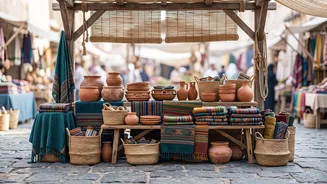
Contrary to the stereotype of being digital-only, Gen Z values physical retail experiences. For this cohort, value isn't just about the lowest price; it encompasses uniqueness, self-expression, and experience. Traditional markets offer one-of-a-kind finds, from handcrafted goods to speciality foods, that stand out from mass-produced items available online. This makes a trip to the local bazaar an 'Instagrammable' event, blending cultural exploration with a shopping run. Furthermore, the perception that online is always cheaper is being challenged. When factoring in delivery fees, waiting times, and the risk of receiving a disappointing product, the immediate gratification and assured quality of buying from a local vendor often present a better overall value proposition.
The Appeal of Tangible Trust and Convenience
The ability to inspect produce for freshness, check the texture of a fabric, or try on an item before purchase remains a powerful driver for in-store shopping. This tangible interaction builds a level of trust that product reviews and star ratings can't fully replace. Even as quick commerce grows for emergency top-ups, many households continue to rely on neighbourhood stores for their main grocery runs. Post-pandemic habits have also shifted towards smaller, more frequent purchases rather than large weekly stock-ups, a pattern that favours easily accessible local shops. These 'standalone modern trade stores' — larger than kiranas but smaller than supermarkets — are also on the rise, offering a wider assortment of goods conveniently close to home.
Conscious Consumerism and Supporting Local
A growing awareness around sustainability and ethical consumption is prompting shoppers to reconsider the impact of their purchases. Shopping at local markets often means less packaging, a smaller carbon footprint associated with logistics, and direct support for smallndscale entrepreneurs and artisans. Government initiatives like 'Vocal for Local' have also amplified this sentiment, fostering pride in local products and economies. For many, choosing to buy from a neighbourhood vendor is a conscious decision to invest in their own community, ensuring that their spending contributes to the local economic fabric rather than a distant corporate entity. This trend is part of a larger, global movement where younger consumers, in particular, use their purchasing power to support businesses that align with their values.