
From Ocean Temperatures to Public Health
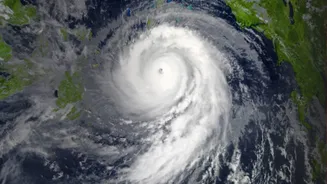
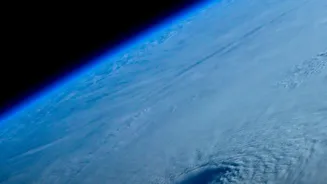
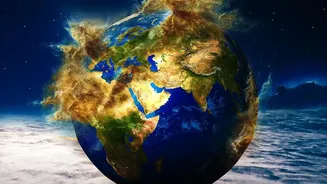
El Niño is a naturally occurring climate pattern where sea surface temperatures in the central and eastern Pacific Ocean become unusually warm. This shift alters atmospheric circulation and weather patterns globally. For India, a strong El Niño has historically
been linked to weaker southwest monsoons, leading to drier conditions and higher temperatures. While it's a climate phenomenon, organizations like the World Health Organization (WHO) now view it as a significant public health threat. El Niño doesn't create new diseases, but it dangerously amplifies the environmental conditions that allow existing health risks to spiral. With current assessments pointing to a strengthening El Niño in 2026, India's health systems are bracing for a stress test.
A Surge in Mosquito-Borne Illnesses
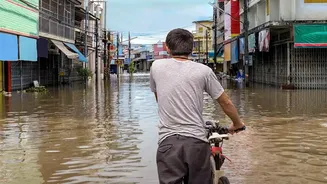
One of the most direct health impacts of El Niño is the rise of vector-borne diseases. Changes in temperature and erratic rainfall create ideal breeding grounds for mosquitoes. Unseasonal rains can create new stagnant water pockets where mosquitoes lay eggs, while drought conditions can force them to concentrate around limited water sources, intensifying transmission. This leads to a higher risk of diseases like dengue, chikungunya, and malaria, which are already major public health concerns in India. Warmer temperatures also accelerate the mosquito's metabolic rate and the replication of viruses they carry, meaning diseases can spread faster and to regions previously considered too cool for transmission.
Water Scarcity and Contamination Risks
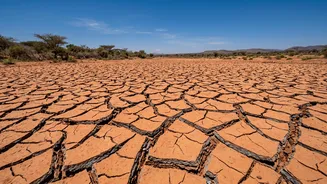
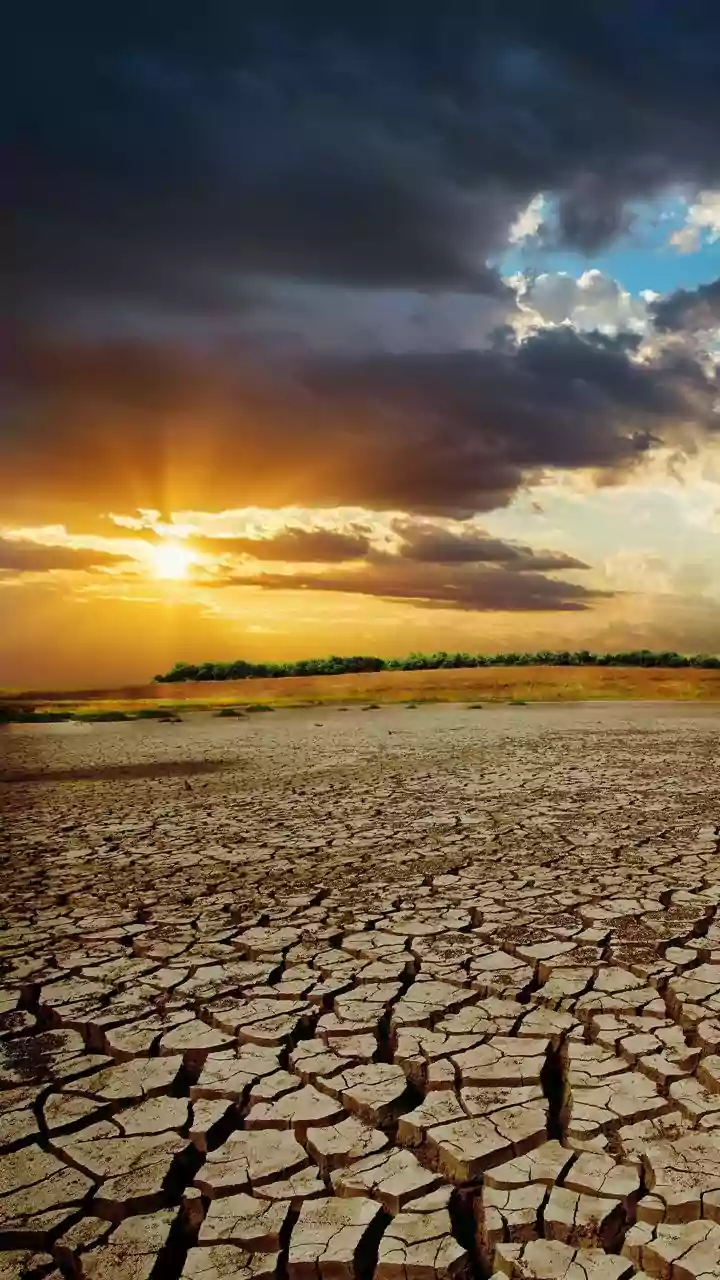
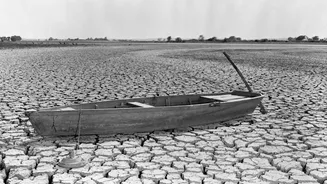
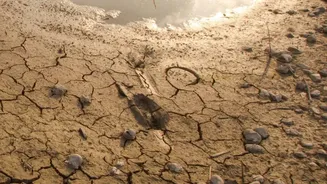
A weak monsoon, often associated with El Niño, can lead to severe water scarcity and drought. With roughly 600 million Indians already living in areas with high water stress, this poses a dual threat. Firstly, scarcity forces communities to rely on unsafe water sources. Secondly, lower water levels in rivers and reservoirs can lead to a higher concentration of pollutants and pathogens. This combination significantly increases the risk of waterborne diseases like cholera, typhoid, and other gastrointestinal infections. Past El Niño events have been linked to cholera outbreaks in South India, demonstrating the direct connection between the climate pattern and water safety.
The Link to Malnutrition and Food Security
Agriculture in India is deeply dependent on the monsoon. A strong El Niño that disrupts rainfall patterns can lead to crop failures, reduced harvests, and rising food prices. This threatens the food security of millions, particularly in rural communities. The result is an increased risk of malnutrition and micronutrient deficiencies, especially among vulnerable populations like children, the elderly, and pregnant women. Malnutrition, in turn, weakens the immune system, making individuals more susceptible to infectious diseases and creating a vicious cycle of poor health.
Heatwaves, Air Quality, and Mental Health
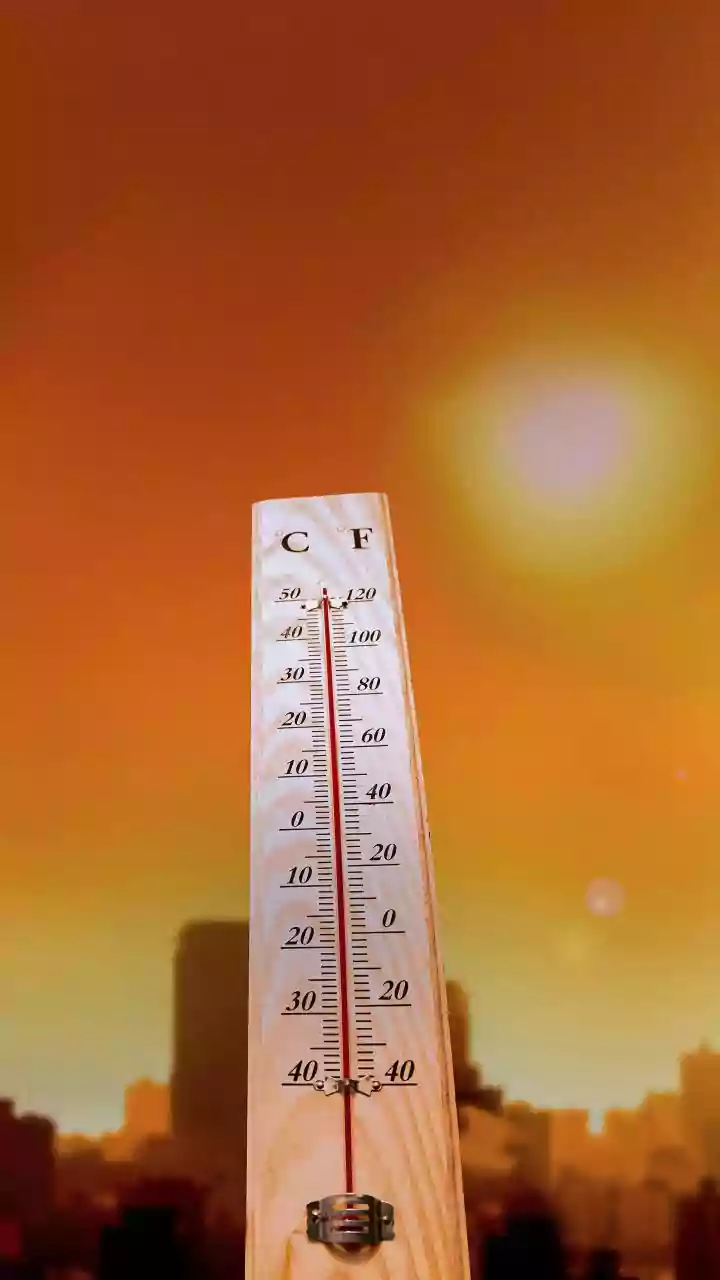
Strong El Niño years are often associated with record-breaking heatwaves. Prolonged exposure to extreme heat can cause dehydration, heat exhaustion, and life-threatening heatstroke, with outdoor workers and those with chronic illnesses facing the highest risk. The dry conditions also increase the likelihood of wildfires and dust storms, which degrade air quality over large areas. The resulting smoke and particulate pollution can trigger or worsen respiratory conditions like asthma. Beyond the physical toll, the disruption to livelihoods, potential displacement, and food insecurity caused by these extreme weather events can also lead to significant psychosocial distress, anxiety, and other mental health challenges.