





Venus: Earth's Inhospitable Twin
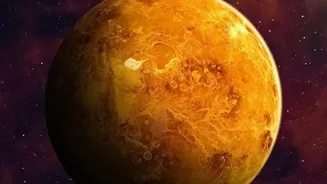
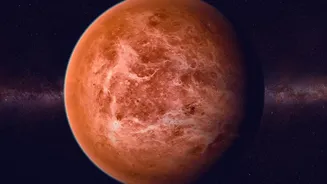
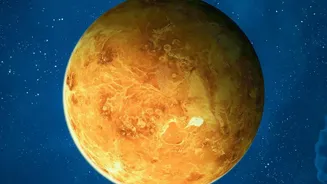
Venus and Earth are similar in size, mass, and structure, which has earned Venus the nickname 'Earth's twin'. But the similarities end there. The second planet from the Sun is a scorching world, with surface temperatures hot enough to melt lead, around
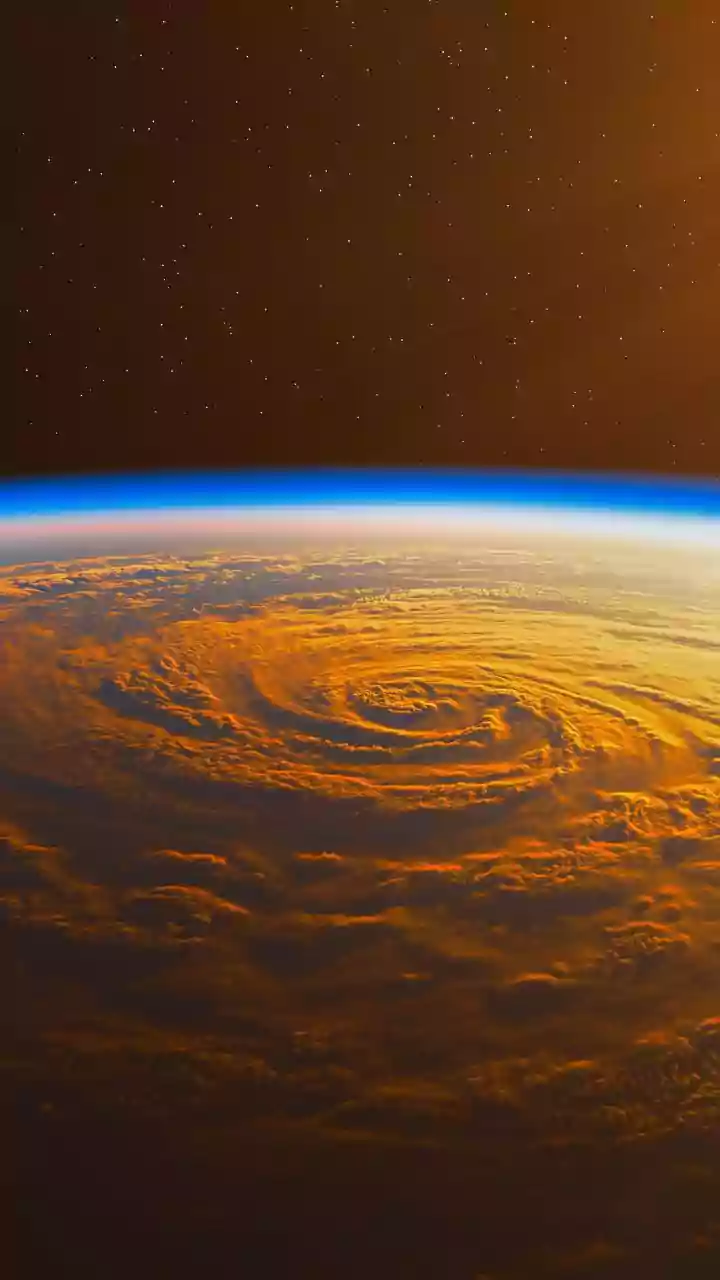
467 degrees Celsius. Its atmosphere is over 90 times denser than Earth's and consists almost entirely of carbon dioxide, creating a runaway greenhouse effect. This toxic environment is shrouded in thick, opaque clouds of sulfuric acid, making the surface impossible to see with conventional telescopes. This veil of mystery is precisely what makes Venus so compelling to scientists. Understanding how and why Venus evolved so differently from Earth could provide critical insights into planetary formation, atmospheric dynamics, and even the long-term future of our own planet's climate.
Enter Shukrayaan: India’s Next Interplanetary Leap
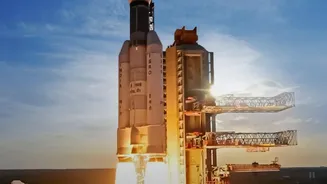
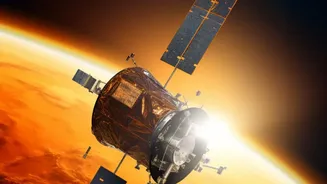
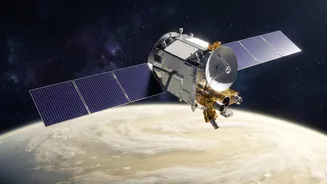
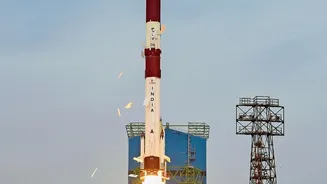
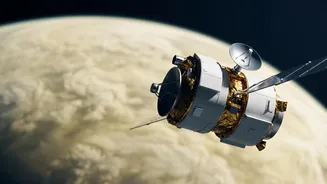
Following the monumental success of its Mars Orbiter Mission (Mangalyaan), the Indian Space Research Organisation (ISRO) has set its sights on Venus. The Shukrayaan mission, which translates to 'Venus Craft', represents India's first dedicated mission to our neighbouring planet. Formally approved in 2024, the mission is slated for a 2028 launch. It is an orbiter mission, meaning the spacecraft will not land but will circle the planet from a carefully chosen elliptical orbit. This vantage point will allow it to conduct sustained observations over several years. The primary goals are to investigate the planet’s surface and subsurface, study the composition and dynamics of its super-rotating atmosphere, and analyse the interaction between the Venusian ionosphere and the solar wind.
The Scientific Toolkit Onboard
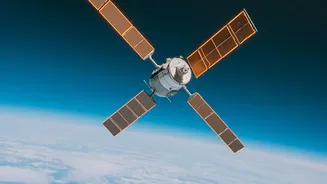
To pierce through Venus's thick clouds and probe its secrets, Shukrayaan will be equipped with a comprehensive set of scientific instruments, or payloads. One of the key instruments is a high-resolution Synthetic Aperture Radar (SAR), which can map the planet’s volcanic surface regardless of the cloud cover. In a first for any Venus mission, it will also carry a ground-penetrating radar to study the shallow subsurface geology. The atmospheric instruments are just as crucial. A suite of nearly 19 payloads, both Indian and international, will work in concert. This includes thermal cameras, cloud monitoring sensors, and spectrometers designed to operate in infrared, ultraviolet, and submillimeter wavelengths. These will measure temperature variations, track wind speeds, and most importantly, identify the various chemical compounds present at different altitudes.
Mapping the Chemical Maze
The mission's sensors are designed to create a holistic chemical map of the Venusian atmosphere. Instruments like the Venus Infrared Atmospheric Gases Linker (VIRAL), a collaboration between France and Russia, will analyse the composition of the atmosphere. Another key instrument from Sweden, the Venusian Neutrals Analyser (VNA), will study how charged particles from the sun interact with the planet's upper atmosphere. By observing how sunlight filters through different layers, scientists can determine the concentration of gases like sulfur dioxide, carbon monoxide, and water vapour. There is also intense interest in searching for trace gases like phosphine, a compound that, on Earth, is associated with biological processes. While its detection on Venus is debated, Shukrayaan's instruments could provide definitive answers. This detailed chemical profiling will help scientists build models to understand the planet's extreme weather and the chemical reactions driving its runaway greenhouse state.
Why This Discovery Matters
By mapping the chemical layers of Venus, Shukrayaan will do more than just study a distant planet; it will be studying a cautionary tale. Venus represents a planetary climate that has gone dramatically wrong. The data collected by its sensors will provide a natural laboratory for testing climate models, which can help us better understand and predict climate change on Earth. Furthermore, the mission solidifies India’s position as a major player in interplanetary exploration, following in the footsteps of the US, Russia, Europe, and Japan. The technological challenges of building and operating a mission in such a hostile environment will push the boundaries of Indian engineering and science, paving the way for even more ambitious projects in the future.