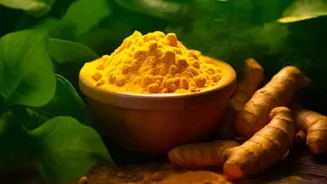





Turmeric (Haldi): The Golden Healer
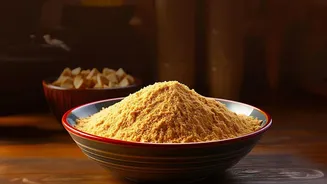
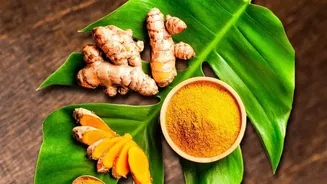
This vibrant yellow spice, a cornerstone of Indian cooking, contains a powerful compound called curcumin. Curcumin is known for its potent anti-inflammatory, antioxidant, and antimicrobial properties, which can help strengthen the immune response against
pathogens common during the monsoon. To get the most benefit, it's best to pair turmeric with a pinch of black pepper, which significantly enhances curcumin absorption. A warm glass of Haldi Doodh (turmeric milk) before bed is a classic, comforting way to incorporate it, but simply ensuring it's in your daily dals and subzis is just as effective.
Ginger and Garlic: The Power Duo
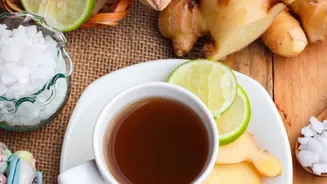
No Indian tadka is complete without these two, and for good reason. Ginger contains gingerol, a bioactive compound that helps support digestion and has anti-inflammatory and antioxidant benefits. It's excellent for soothing a sore throat and clearing congestion, making it a monsoon must-have. Garlic's power comes from allicin, a compound with strong antimicrobial properties that can help the body fight off bacteria and viruses. For maximum benefit, it's best to crush or chop garlic and let it sit for a few minutes before cooking. A warm cup of ginger tea or adding extra garlic to your soups can provide a comforting and healthy boost.
Amla and Citrus Fruits: Vitamin C Powerhouses
The rainy season often means less sunshine and a greater need for immune support. Vitamin C is crucial for this, as it supports the production and function of white blood cells, which are key to fighting infections. Amla, or Indian gooseberry, is a potent source, containing significantly more Vitamin C than an orange. Including amla in the form of juice, powder, or even pickles can be beneficial. Other easily available citrus fruits like lemons and oranges are also excellent choices. A simple squeeze of lemon over your dal or salad not only enhances flavour but also provides a quick dose of this vital nutrient.
Yogurt (Dahi): For a Healthy Gut
A significant portion of your immune system resides in your gut. Maintaining a healthy gut microbiome is therefore essential for strong immunity. Homemade dahi is one of the most accessible probiotic foods in the Indian diet. Probiotics are beneficial bacteria that help maintain balance in your digestive system. Including a bowl of plain curd with your lunch or blending it into a refreshing chaas (buttermilk) can support gut health. This helps in better digestion and absorption of nutrients, which is especially important during monsoon when the digestive fire is considered to be weaker.
Lentils and Legumes (Dal): The Protein and Zinc Pack
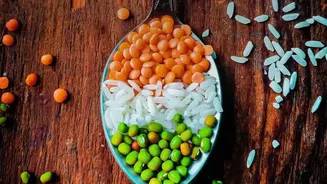
Lentils and legumes are staples in Indian meals, and they are packed with nutrients crucial for immunity. They are a great source of plant-based protein, which is essential for building and repairing body tissues, including immune cells. Furthermore, dals like moong and chickpeas are good sources of zinc. Zinc is a mineral that plays a vital role in the function of immune cells and helps the body fight off invaders. A simple, well-cooked dal is light on the stomach and provides the essential nutrients needed to keep your body strong during the rainy season.
Nuts and Seeds: A Nutrient-Dense Snack
Instead of reaching for fried snacks on a rainy day, a handful of nuts and seeds can be a much healthier choice. Almonds, walnuts, and seeds like pumpkin and sesame are rich in important nutrients for immunity, including Vitamin E, zinc, and selenium. Vitamin E is a powerful antioxidant that helps protect cells from damage. Zinc, as mentioned, is critical for immune cell function. These can be eaten as a simple snack, sprinkled over your morning porridge, or added to salads for an extra crunch and a nutritional punch.