





What Are These Freight Corridors?
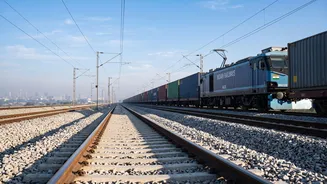
Think of them as exclusive highways for goods trains. For decades, passenger trains (like Mumbai's locals and long-distance expresses) and freight trains have shared the same railway tracks. This mixed traffic is a primary cause of congestion. Passenger
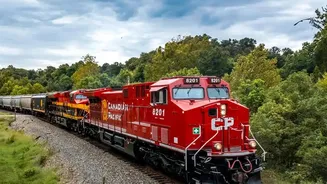
services are given priority, forcing goods trains to wait, which slows down the entire network. The Dedicated Freight Corridor (DFC) project created a separate, 2,843-km network of railway lines solely for transporting goods. The Western DFC (WDFC), which stretches 1,506 km from Uttar Pradesh to Jawaharlal Nehru Port (JNPT) in Navi Mumbai, is the one that directly impacts the city's rail ecosystem. With its final sections inaugurated in September 2026, this project is now fully operational.
The Big Separation: How It Helps You
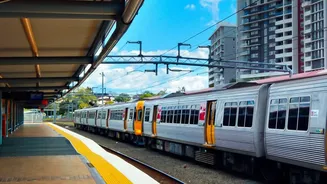
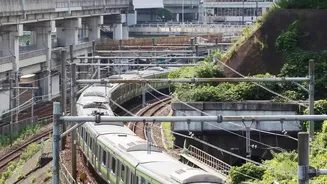
The core benefit for a daily passenger is simple: segregation. By shifting the slow-moving, heavy goods trains onto their own dedicated tracks, the existing lines are freed up for passenger services. This is a game-changer for a system as saturated as Mumbai's suburban network, which currently runs about 3,200 services daily. This decongestion means Indian Railways can finally use the newly available capacity to run more local train services, addressing the constant demand and crushing peak-hour loads where 14-16 people can be crammed into a single square metre. The goal is to fundamentally improve the speed, frequency, and reliability of the trains you take to work every day.
More Trains, Better Punctuality
With freight traffic moved, the path is clear for a significant increase in suburban services. Officials have indicated that this could lead to a substantial capacity increase, potentially adding hundreds of new local services across the Central and Western lines. This won't just mean more trains, but also better punctuality. Without having to jostle for space with goods trains, local services can maintain their schedules more consistently, reducing the frustrating delays that define the daily commute for many. The improved efficiency is expected to be a major boost, as every minute saved counts during peak hours.
The Ripple Effect: AC Locals and Modernisation
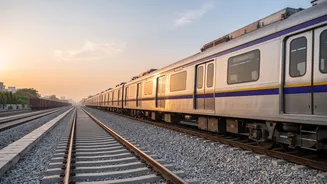
The benefits extend beyond just adding more of the same trains. The newly available track capacity is a critical enabler for modernising the suburban fleet. The Mumbai Railway Vikas Corporation (MRVC) is already in the process of procuring 238 new Vande Metro-style air-conditioned rakes. The first of these new-generation AC locals is expected by 2027, with the entire fleet targeted for delivery by 2030. Running these modern trains requires a less congested network, something the DFC now makes possible. This move is part of a larger plan to eventually convert the entire suburban fleet to AC, offering a more comfortable and safer journey for millions.
Faster Long-Distance Travel and Economic Boost
The impact isn't limited to just local services. Long-distance express trains originating from or passing through Mumbai will also run faster and more punctually, as they will no longer be delayed by freight traffic. This enhances connectivity for the entire region. Furthermore, by ensuring faster movement of goods to and from JNPT, India's largest container port, the WDFC boosts industrial activity and trade. This strengthened economic engine for the Mumbai Metropolitan Region ultimately supports jobs and development, contributing to the city’s overall growth.