


Source with Intention
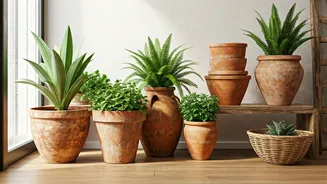
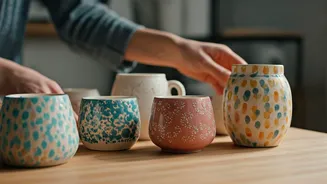
The journey to a statement piece begins with the vessel itself. While you can grab a new pot from any big-box store, the real magic lies in finding something with a story. Visit a local nursery or pottery studio; buying local supports artisans and reduces
the carbon footprint of your décor. Even better, scout flea markets, yard sales, or your own backyard for forgotten terracotta. A pot with a bit of history—a slight chip, a weathered surface, or a unique, hand-thrown shape—already has character. Embracing these imperfections is the first step in sustainable design. You're not just buying an object; you're rescuing a story and giving it a new chapter in your home.
The Crucial Prep Work
Before you unleash your creativity, proper preparation is essential for a lasting finish. If your pot is old or used, give it a thorough scrub with a stiff brush, soap, and water to remove any dirt or mineral deposits. Let it dry completely—terracotta is porous and can hold moisture for days. A bone-dry pot is key. For a smooth, modern look, you can lightly sand the surface with fine-grit sandpaper. If you plan on painting, sealing the inside with a clear spray sealant can prevent water from wicking through and damaging your design from within, especially if you ever plan to use it for a real plant.
Create an Aged, Earthen Patina
For a look that whispers of old-world villas and sun-drenched gardens, you can create a faux-aged finish. This technique works beautifully on both new and old pots. One popular method involves mixing a small amount of dirt or sand into a neutral-colored paint (like beige or off-white) to create a slurry. Apply it unevenly with a brush or rag, then wipe some of it away while it's still damp. Another trick is the “yogurt method”: slather plain yogurt on the pot's exterior and leave it in a shady spot outdoors. Over a few weeks, it will encourage natural moss and algae growth for an authentically weathered patina. This organic approach creates a piece that feels truly alive and connected to nature.
Embrace Modern Color Blocking
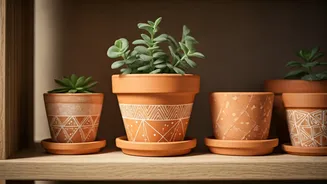
To turn rustic terracotta into a sharp, contemporary accent, look no further than color blocking. The contrast between the pot’s earthy texture and bold, clean lines is visually arresting. Start by choosing a palette of two or three complementary colors in a matte or eggshell finish. Use high-quality painter's tape to mark off crisp geometric shapes—think simple half-circles, diagonal slashes, or a clean line around the pot’s belly. Apply your paint within the taped-off sections. For the cleanest lines, paint a thin layer of clear sealant over the tape’s edge before applying the color; this prevents bleeding. Once dry, carefully peel away the tape to reveal a design that is both playful and sophisticated.
Celebrate Flaws with Kintsugi Style
Inspired by the Japanese art of repairing broken pottery with gold, this method turns damage into a design feature. It's a powerful way to make a statement about beauty in imperfection. If you have a pot that's already cracked, you can highlight the flaw. Use a strong epoxy to repair the crack, and before it fully sets, dust it with gold mica powder. For an easier, purely decorative approach on an intact pot, use a fine-tipped brush to paint thin, branching lines of gold leaf adhesive or metallic gold paint, mimicking the look of a repair. This technique creates a piece with immense visual and philosophical depth, instantly elevating it from a simple container to a work of art.
Style Your Finished Masterpiece
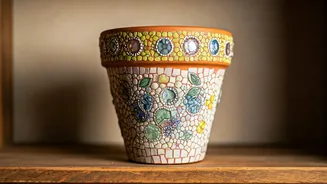
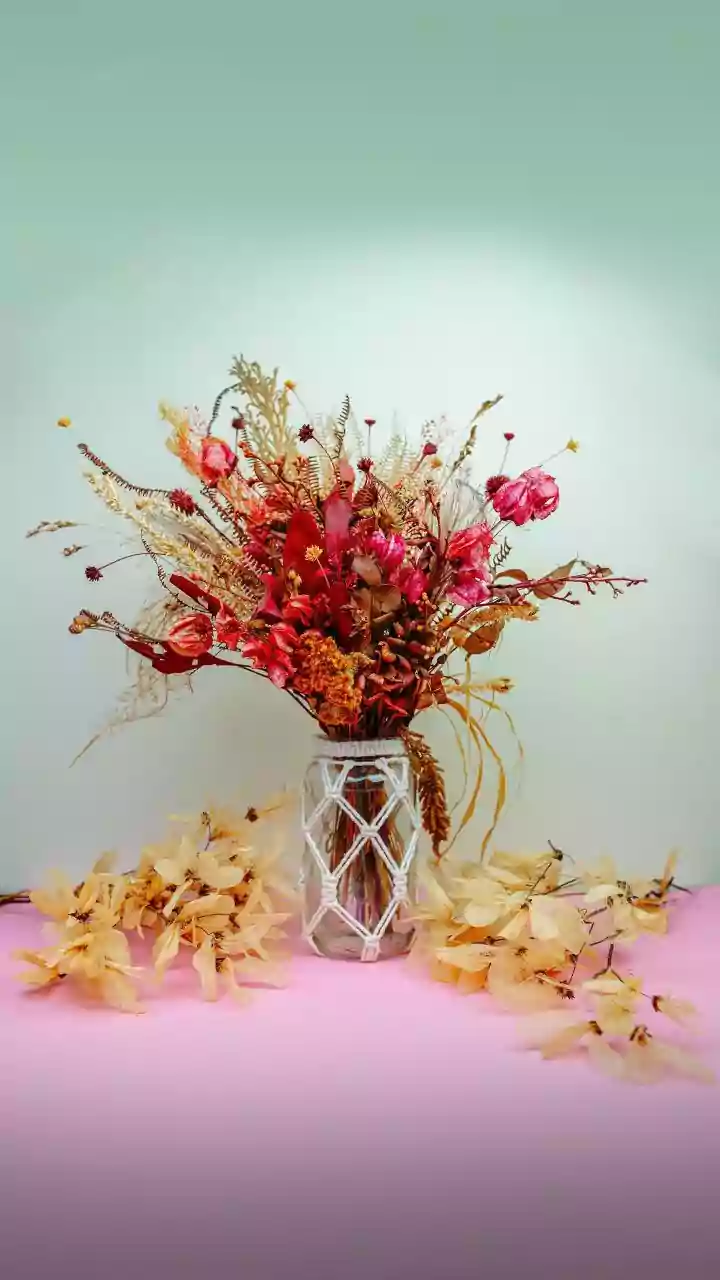
A statement piece needs to be styled with purpose. Place your upcycled pot where it can be a focal point: on a mantle, as the centerpiece of a coffee table, or on a prominent bookshelf. Don't feel obligated to put a plant in it. A beautifully finished pot can stand alone as a sculptural object. If you do add greenery, choose something that complements your design—a spiky snake plant might contrast beautifully with a color-blocked pot, while delicate, trailing ivy could soften an aged, textural one. You can also fill it with dried branches, pampas grass, or even leave it empty to let the form and finish speak for itself.