




The First Step: An Emotional Audit
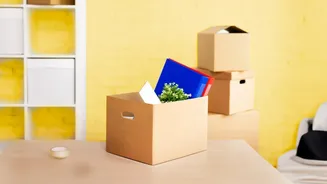
Before you even open a box, it's important to set your intention. Ask yourself what you want to achieve: a more peaceful home, space for new memories, or simply less clutter? Gather all your sentimental items in one place to see the full scope. This isn't
about erasing your past, but about curating it. The goal is to keep items that bring genuine joy or represent a core memory, not things that make you feel guilty or obligated. If you have large collections, consider keeping just one representative piece to save space while honoring the memory. This initial mindset shift from collecting to curating is crucial for success.
Protecting Your Fragile Treasures
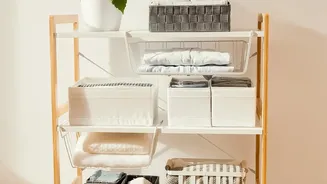
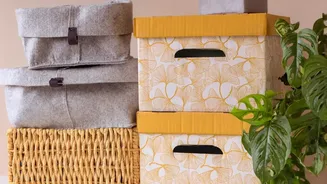
Fragile items like old letters, photographs, and textiles require the most care. Paper is highly vulnerable to light, heat, and moisture, which can cause it to crumble and fade. The best practice is to use archival-quality, acid-free storage materials. This means investing in acid-free boxes, file folders, and tissue paper to prevent deterioration. For photos and documents, avoid standard cardboard boxes and plastic bags, which can trap moisture and cause damage. Instead, opt for specialty photo boxes or sleeves. When handling old photos, consider wearing cotton gloves to prevent oils from your hands causing damage. For textiles like a wedding dress or a baby blanket, clean them professionally before storing them in breathable bags or acid-free boxes, avoiding direct contact with wood or plastic.
Securing Valuable Heirlooms
Items with significant monetary or irreplaceable sentimental value—such as antique furniture, fine china, or family jewelry—demand a different level of attention. The first step is proper preparation. Ensure items are clean and completely dry before they are packed away. For furniture, avoid storing it in places with extreme temperature fluctuations like attics or basements, as this can cause wood to warp. A climate-controlled storage unit can be an excellent option for long-term protection against humidity and temperature swings. For smaller valuables, wrap each piece individually to prevent scratches or chips. It's also wise to create an inventory of these items, complete with photographs and any appraisals. This is not only useful for organization but essential for insurance purposes. For high-value pieces, consulting a professional for an up-to-date valuation can provide peace of mind.
Integrating Everyday Sentimental Items
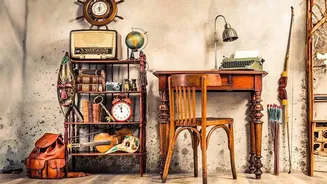
Not every sentimental object needs to be hidden away in a box. Some of the most meaningful items are those that can be woven into the fabric of your daily life. Think about that collection of postcards from your travels, your grandmother's teacups, or your child's first painting. Instead of letting them gather dust, find ways to display them. You could frame a few special letters or pieces of art, create a gallery wall of family photos, or use that inherited serving platter for special occasions. Repurposing items is another fantastic option; for example, an old quilt can be displayed as a wall hanging, or vintage tins can be used for kitchen storage. By finding a purpose for these belongings, you transform them from clutter into cherished parts of your home's decor, allowing the memories to live on in the open.
The Art of Letting Go
Deciding to part with a sentimental item can be difficult, but it doesn't mean you're discarding the memory. For objects that you decide not to keep, consider taking a high-quality photograph of them. You can create a digital album or a small physical photo book dedicated to these memories, which takes up far less space. Another meaningful way to let go is to pass items on to another family member or friend who might find more joy in them. Donating items to a charity can also give them a new life and purpose. The process of decluttering is not just about creating physical space, but also emotional freedom. Letting go of things that no longer serve you allows you to better cherish the items you've chosen to keep.