






Welcome to the Age of Sleep Tourism
Sleep tourism is a travel movement where rest isn't just part of the trip—it's the entire point. Instead of packing itineraries with activities, travelers are booking trips specifically to improve their sleep quality. This trend moves beyond hotels simply
advertising comfy beds. It involves curated environments and expert-led programs designed to help you unplug and reset. Think of it as a vacation for your nervous system, an intentional choice to prioritize recovery over exploration. The goal isn’t to see a new place, but to return home feeling fundamentally restored.
A Response to Millennial Burnout
While everyone needs good sleep, this trend is resonating deeply with millennials and Gen Z. Saddled with demanding work cultures, digital saturation, and constant pressure to perform, these generations are reporting high levels of burnout. Chronic stress has disrupted natural sleep patterns for millions, leading to a search for a real solution. Sleepcations offer an antidote, a deliberate move away from the 'hustle culture' that glorified exhaustion. It represents a broader shift in wellness, where fundamental self-care, like rest, is becoming a non-negotiable priority.
The Science of the 'Circadian Reset'
At the heart of many sleep retreats is the 'circadian reset'. Your circadian rhythm is your body's 24-hour internal clock, which regulates sleep-wake cycles. Modern life—with its artificial light, late-night screen time, and erratic schedules—throws this clock out of sync. A circadian reset program aims to recalibrate it. These programs often use a combination of techniques: structured exposure to natural light in the morning, technology blackouts after sunset, specific meal timings to support metabolic rhythms, and mindfulness practices like meditation to calm the mind before bed. The idea is to use a controlled environment to retrain your body to sleep and wake at the right times.
Why Mountain Retreats Are a Perfect Fit
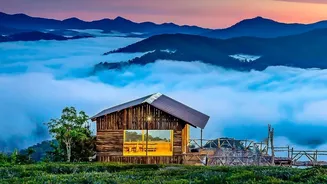
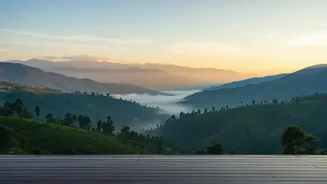
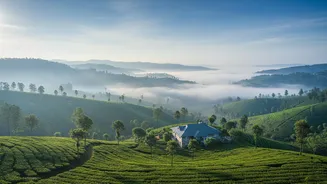
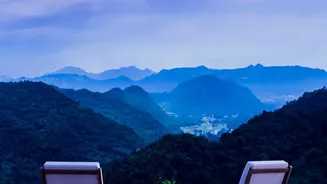
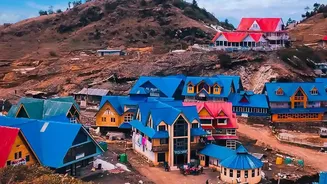
The headline's reference to "hill stations," a term common in Asia for high-altitude towns, points to a key element of this trend: the power of environment. In the U.S., this translates to mountain retreats in places like the Rockies, Blue Ridge, or Cascades. These locations offer a powerful combination of factors ideal for sleep. The crisp, cleaner air at higher altitudes can help respiratory function. The natural quiet and distance from city light pollution make it easier to unwind and align with natural light cycles. Some studies even suggest altitude can have positive effects on heart health and metabolism. Psychologically, the majesty and stillness of the mountains provide a profound sense of escape and tranquility, helping to reduce stress.
Inside a Sleep-Focused Resort
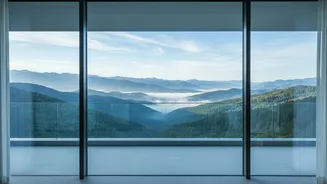
So, what can you expect? Boutique resorts are getting creative. Offerings go far beyond a mint on your pillow. Many have a 'sleep concierge' to customize your experience. Rooms are engineered for rest, featuring blackout curtains, soundproofing, and advanced air purification. You might find a 'pillow menu' with options for every type of sleeper, curated herbal tea selections, and aromatherapy diffusers with calming scents like lavender. Some high-tech resorts even feature smart beds that adjust to your body during the night and provide detailed sleep analysis. The entire experience, from the moment you check in, is designed to signal to your body and mind that it's time to rest.