






From Revenge Travel to Reluctant Wallets
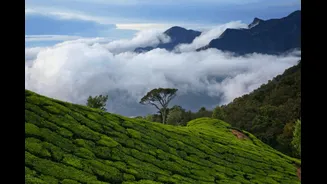
The post-pandemic era unleashed a powerful trend known as "revenge travel," as people rushed to make up for lost time. This drove a massive surge in domestic tourism, with a particular focus on outdoor destinations like Himalayan hill stations and coastal
retreats. Travellers were eager to trade city confines for mountain air and scenic vistas. However, this initial, almost frantic, enthusiasm is now being tempered by stark economic realities. The cost of everything, from flights and accommodation to gear and permits, has climbed. With rising aviation fuel prices impacting airfares and a general increase in travel expenses, many are finding their dream trips are becoming prohibitively expensive. A recent survey highlighted that while the desire to travel remains strong, 82% of Indian travellers are concerned about rising costs.
The Search for Solitude in a Crowd
The paradox of modern outdoor travel is that everyone is seeking solitude in the same places. Popular destinations like Manali, Shimla, and parts of Goa are grappling with overtourism, where the number of visitors exceeds the location's capacity to handle them sustainably. Instead of serene mountain views, travellers often face traffic gridlocks, fully booked hotels, and strained local infrastructure. This influx puts immense pressure on fragile ecosystems, leading to waste management crises and water shortages in many hill stations. The very beauty that people travel to see is being threatened by the sheer volume of visitors. The dream of a quiet trek is often replaced by the reality of crowded trails and littered campsites, forcing many to question if the journey is worth the hassle.
The Burnout of Booking
Beyond the financial and environmental costs, there's a growing sense of planning fatigue. Securing reservations at popular resorts or homestays requires booking months in advance. The digital chase for the perfect stay, the best flight deal, and a workable itinerary has become a significant source of stress. This logistical burden is compounded by travel uncertainties like flight cancellations, road closures due to weather, and other potential disruptions that can unravel a carefully planned trip. For many, the mental energy required to orchestrate a flawless getaway has started to outweigh the anticipated relaxation, leading to a re-evaluation of what a break should feel like.
The Rise of the 'Nearcation'
In response to these challenges, a new trend is taking hold: the staycation or 'nearcation'. Rather than embarking on ambitious, long-distance expeditions, people are discovering the joys of exploring their own backyards. This involves shorter, more frequent trips to destinations within driving distance, weekend stays at city hotels offering resort-like amenities, and exploring local parks and trails. This shift is not just about saving money; it's about embracing a more sustainable and less stressful form of leisure. Travellers are finding that meaningful experiences, cultural immersion, and genuine relaxation can be found closer to home, without the hefty price tag and planning marathon. This inward turn is fostering a deeper appreciation for local gems and a more intentional approach to travel.