




Why Soaking is a Crucial First Step
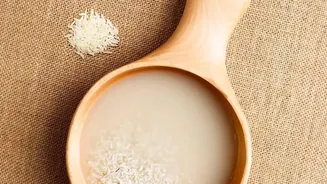
Soaking pulses before cooking is more than just a traditional practice; it is rooted in science. The primary reason is to rehydrate the dried seeds, which significantly cuts down on cooking time and saves energy. But the benefits go further. Soaking helps
break down complex sugars called oligosaccharides, which are responsible for causing gas and bloating. This makes the pulses much easier on your digestive system. Furthermore, soaking helps reduce the levels of phytic acid, an anti-nutrient that can bind to minerals like iron and zinc, preventing their absorption. By soaking your pulses and discarding the water, you unlock more of their nutritional goodness and make them gentler on your stomach.
The Hardy Beans: Rajma and Chana
These are the heavyweights of the pulse world and demand the most patience. Kidney beans (rajma) and chickpeas (chana) are dense and large, requiring a significant soaking period to soften and cook evenly. For both, a long soak of at least 8 to 12 hours, or simply overnight, is ideal. Always use a large bowl with plenty of water, as they will more than double in size. After soaking, it is essential to discard the soaking water, rinse the beans thoroughly, and cook them in fresh water. In a pressure cooker, soaked rajma or chana will typically need 15-20 minutes (or about 4-5 whistles) to become tender and creamy. Without a pressure cooker, the cooking time on a stovetop can extend to well over an hour.
The Everyday Lentils: Toor and Whole Masoor
This category includes some of the most common dals used for daily meals. Toor dal (split pigeon peas) and whole masoor (brown lentils) are smaller than beans and thus require less prep time. For toor dal, which is a split lentil, soaking is often optional but a quick 30-minute soak can help it cook faster and more evenly. Whole masoor benefits from a slightly longer soak of about 1-2 hours to soften its skin. In a pressure cooker, soaked toor dal cooks very quickly, often in about 10-12 minutes (2-3 whistles). Whole masoor will take a little longer, around 15 minutes (3-4 whistles), to become fully tender.
The Quick Cooks: Moong and Split Masoor
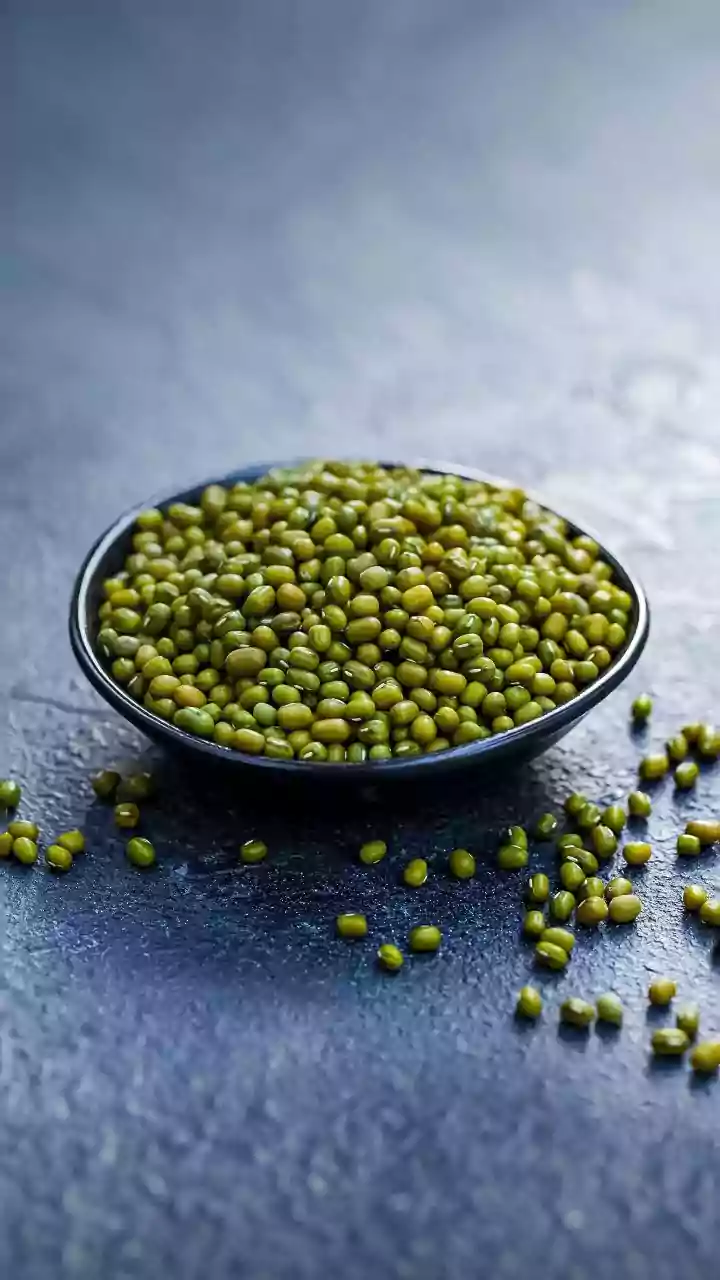
When you are short on time, these are the pulses to reach for. Moong dal (split mung beans, both yellow and green) and masoor dal (split red lentils) are the fastest cooking of all. These split lentils are small and have no skin, so they soften very rapidly. For these dals, soaking is almost never necessary, though a quick 15-20 minute rinse and soak while you prepare your other ingredients won't hurt. They cook in a pressure cooker in a flash—often just 7-10 minutes (1-2 whistles). If you are cooking in an open pot, they will be soft and ready in about 20-25 minutes, making them perfect for a quick, nutritious meal.
A Few Extra Tips for Perfect Pulses
Beyond soaking and cooking times, a few other factors can influence the final result. Always rinse your pulses well before soaking to remove any dust or debris. When cooking, it is a good rule of thumb to add salt towards the end of the cooking process. Adding it too early can sometimes prevent the pulses from softening properly. Finally, be mindful of the age of your pulses. Older, more dried-out beans and lentils will invariably take longer to cook than fresher stock. If your rajma or chana still seem hard after the usual cooking time, they might just be old and need a few more whistles in the cooker.