




The End of Itinerary Overload
The classic weekend trip used to be a frantic sprint: multiple cities, a checklist of landmarks, and a schedule packed from dawn to dusk. The goal was to see as much as possible, fueled by a Fear of Missing Out (FOMO). But a quiet revolution is underway.
Post-pandemic, travellers are increasingly reporting burnout from their own holidays. The pressure to create a picture-perfect, activity-filled trip often leads to exhaustion, not relaxation. This has given rise to a new philosophy: slow travel. It’s a conscious shift away from fast-paced, FOMO-driven itineraries toward deeper, more intentional experiences. Instead of chasing bucket lists, people are choosing to explore one place thoroughly, savouring the moments in between.
Embracing the Joy of Missing Out (JOMO)
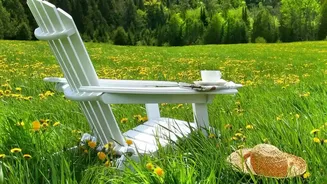
This new approach to travel has a name: JOMO, or the Joy of Missing Out. It's the antidote to the restless, tick-box style of travel that leaves you drained. JOMO is about intentionally skipping the 'top 10' spots to instead savour unscripted, authentic experiences. Think sipping coffee at a local cafe for an hour, taking an entire afternoon to read in a park, or exploring a single neighbourhood on foot without a map. According to travel platform Expedia, 62% of travellers say this style of trip helps reduce stress and anxiety. It’s a move towards wellness that goes beyond a spa treatment; it’s about finding rest and connection through simplicity.
How to Plan a Single-Focus Getaway
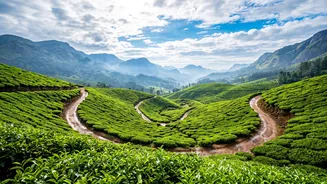
Planning a minimalist weekend doesn't mean doing nothing; it means being intentional with your time. Instead of building a trip around a list of sights, anchor your getaway to a single, compelling experience. This could be a unique stay, like a coffee plantation in Coorg, a stationary houseboat on the Kerala backwaters, or a colonial estate in Binsar. From there, let your activities flow naturally. Explore the immediate surroundings, eat at local dhabas, or engage in one specific local craft or workshop. The key is to resist the urge to fill every moment. By planning less, you create space for spontaneity and genuine discovery, which is often where the most memorable moments happen.
Finding Your Perfect 'Do-Less' Destination
The beauty of a single-stop trip is that almost any place can be the right one. For those in India, the options are plentiful. Instead of a frantic tour of Goa, you could choose to settle into a quiet village in the south, exploring one or two beaches at a leisurely pace. Rather than a whirlwind tour of Himalayan towns, you could spend a week in Tirthan Valley, focusing on hikes and riverside relaxation. Walkable heritage quarters like Fort Kochi or Pondicherry's French Quarter are also ideal, rich enough for five days but small enough to explore without a car. The goal is to pick a place where the main attraction is the atmosphere itself, allowing you to immerse yourself fully without the pressure of constant movement.
The Real Souvenir Is Your Sanity
Ultimately, the shift to fewer stops is a recognition that the purpose of a weekend escape is to recharge. The constant decision-making, travel logistics between cities, and pressure to perform for social media can erode the very benefits a vacation is supposed to provide. Slow travel isn't about seeing less; it's about experiencing more. It's choosing quality over quantity, connection over content. By embracing a simpler itinerary, you’re not just having a more relaxing trip—you’re protecting your mental health and ensuring you return to your daily life feeling genuinely restored, not more depleted than when you left. That feeling of true rejuvenation is the best souvenir you can bring back.