








The Habit Hiding in Plain Sight
The single most impactful habit you can adopt is surprisingly simple: stop wasting food. We often think of environmental action in terms of solar panels or electric cars, but the food that ends up in our bins has a staggering cost. According to the UN
Environment Programme’s (UNEP) Food Waste Index Report, the average Indian household wastes approximately 50 kg of food per person every year. For a family of four, that’s 200 kg of food—and money—ending up in landfills annually. This isn’t about large-scale spoilage; it’s the forgotten vegetables in the fridge, the extra serving of rice scraped into the bin, and the fruit that went soft before anyone could eat it.
How Wasting Food Wastes Your Money
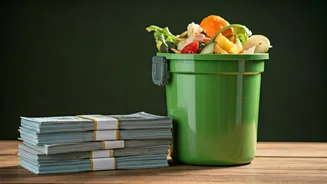
Let's translate that 200 kg of wasted food into financial terms. Every gram of dal, every handful of rice, and every wilting bunch of coriander has a rupee value attached. When you throw it away, you are literally throwing away money. Conservative estimates suggest that by simply cutting down on food waste, an average Indian family could save thousands of rupees each year. This is money that could go towards savings, paying off bills, a child’s education, or even a small family vacation. The connection is direct: the less food you waste, the less you need to buy, and the more money stays in your pocket. It’s a weekly, monthly, and yearly saving that adds up significantly over time.
The Planet’s Hidden Invoice
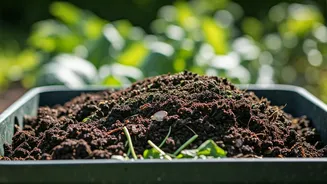
The financial cost is personal, but the environmental cost is global. When food scraps end up in a landfill, they decompose without oxygen and release methane, a greenhouse gas over 25 times more potent than carbon dioxide at trapping heat in the atmosphere. But the damage starts long before the bin. Think of the entire journey of a single wasted tomato: the water used to grow it (a resource becoming scarcer in many parts of India), the fuel used to transport it from the farm to the market, the electricity used to keep it cool in the store and in your home, and the plastic packaging it might have come in. When we waste food, we waste all of these embedded resources, contributing to climate change, water shortages, and pollution. Reducing food waste is one of the most powerful climate actions you can take from your own kitchen.
Your Four-Step Food-Saving Plan
Ready to start? It’s easier than you think. Focus on these four simple strategies: 1. Plan & Buy Smart: Before you go shopping, plan your meals for the week. Check your fridge and pantry to see what you already have. Make a detailed shopping list and, most importantly, stick to it. This prevents impulse buys of perishable items that you may not end up using. 2. Store It Right: Proper storage can drastically extend the life of your groceries. Store leafy greens like spinach and coriander with their stems in a glass of water, or wrapped in a damp cloth. Keep potatoes, onions, and garlic in a cool, dark, and dry place, but never store potatoes and onions together, as they cause each other to spoil faster. 3. Love Your Leftovers: Get creative. Turn leftover rice into delicious fried rice or crispy tikkis. Use leftover cooked vegetables as a filling for sandwiches or parathas. Designate one night a week as a “use-it-up” night, where you craft a meal from whatever is left in the fridge. 4. First In, First Out (FIFO): Organise your refrigerator and pantry so that older items are at the front and new items go to the back. This simple trick ensures you use up food before it expires.