



Tomatoes (Tamatar)
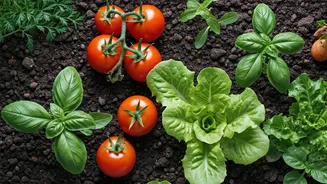
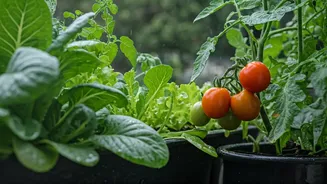
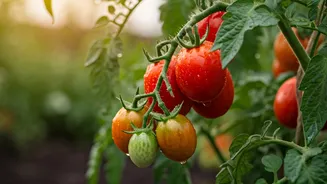
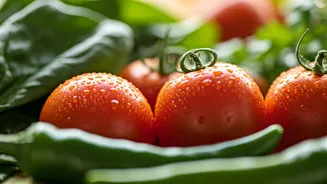
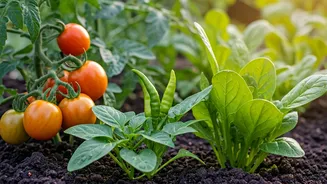
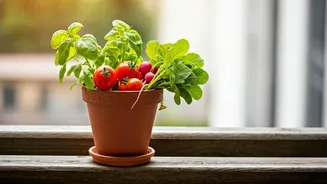
No kitchen garden is complete without tomatoes. They are surprisingly easy to grow in pots and are a staple in Indian cooking. Choose a cherry tomato variety for your first attempt, as they are prolific and more resistant to pests. Tomatoes are sun-lovers,
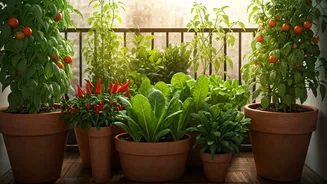
so find a spot that gets at least 6-8 hours of direct sunlight. Plant your sapling in a large pot (at least 12 inches) with well-draining soil mixed with compost. Water it deeply whenever the top inch of soil feels dry, but avoid wetting the leaves to prevent fungal diseases. As the plant grows, you’ll need to support it with a stake or a small trellis. In a few months, you'll be rewarded with juicy, homegrown tomatoes that taste infinitely better than anything from the store.
Spinach (Palak)
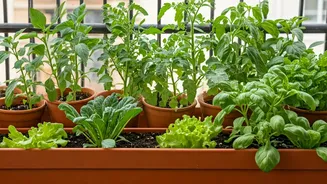
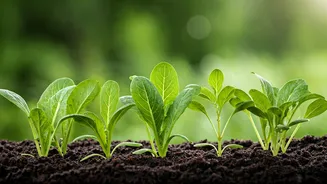
Spinach is a fantastic choice for beginners because it grows incredibly fast. You can have your first harvest in as little as 40-50 days. It’s a cool-season crop, making it ideal for planting from late autumn through early spring in most parts of India. Unlike tomatoes, spinach doesn’t need full, harsh sun; a spot with partial shade or morning sun is perfect. You can sow seeds directly into a wide pot or a garden bed. Keep the soil consistently moist, as dry conditions can cause the plant to 'bolt' (flower prematurely), making the leaves bitter. The best part? You can harvest the outer leaves as needed, and the plant will continue to produce more from the centre, giving you a steady supply for your dal or sabzi.
Chillies (Mirchi)
What’s an Indian kitchen without a steady supply of green chillies? Growing your own is simple and highly rewarding. Chilli plants love warmth and sun, so they thrive in our climate. You can easily grow them from seeds saved from a dried red chilli or buy a small sapling. A medium-sized pot (8-10 inches) is sufficient. They need plenty of sunlight and well-draining soil. Water your chilli plant regularly, but let the soil dry out slightly between waterings, as they hate 'wet feet'. Once the plant starts producing, you will have a constant harvest. The more you pick, the more it will produce. It’s the gift that keeps on giving spice to your meals.
Coriander (Dhania)
Fresh coriander is essential for garnishing almost everything. The store-bought bunches wilt so quickly, but a pot of homegrown dhania gives you fresh flavour on demand. Coriander is a cool-season herb that grows quickly from seeds. You can even use the whole coriander seeds from your spice box; just lightly crush them to split them into two. Sow the seeds in a wide, shallow pot. It prefers a spot with morning sun and afternoon shade, as too much heat can cause it to bolt. Keep the soil moist, and you should see sprouts in about a week or two. You can start snipping the leaves once they are a few inches tall, ensuring you never have to make a last-minute run to the market for a garnish again.
Brinjal (Baingan)
Brinjal is a hardy vegetable that loves the Indian sun and is quite forgiving for a novice gardener. Available in various shapes and sizes, from the small round ones to the long purple varieties, they are a joy to grow. Start with a healthy sapling from a local nursery. Plant it in a large container (at least 12-15 inches) as the plant can get quite big and bushy. It needs at least 6 hours of full sun and rich, well-draining soil. Water it consistently, especially when it starts to flower and fruit. You may need to stake the plant to support the weight of the brinjals. Keep an eye out for common pests like aphids, but a simple neem oil spray can usually keep them at bay.
Lady's Finger (Bhindi)
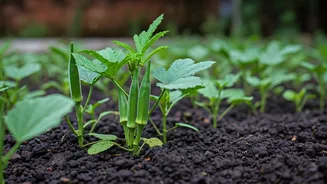
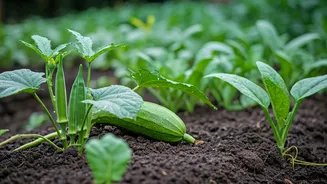
Lady's finger, or okra, is a warm-season vegetable that is exceptionally low-maintenance. It thrives in heat and can tolerate periods of dry soil better than many other plants, making it perfect for busy first-timers. Sow the seeds directly in a sunny spot in your garden or in a deep pot (at least 10-12 inches). The plant grows tall and produces beautiful, hibiscus-like flowers before the pods appear. Water it regularly, but don’t overdo it. The pods grow very quickly, so check your plant every other day during the peak season. Harvest them when they are tender and about 3-4 inches long for the best taste and texture.