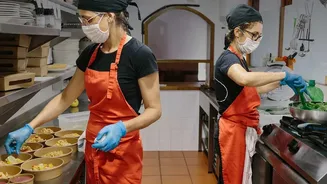







The Pressure Cooker of Rising Costs
Restaurant owners are navigating a perfect storm of rising expenses. The prices of essential ingredients like vegetables, cooking oil, and spices have been climbing steadily. Onions have seen a nearly 50% year-on-year increase, while ginger has surged
by over 70%. Beyond the pantry, operational costs are also on the rise. Commercial LPG prices have been volatile, directly impacting kitchen expenses. Added to this are higher costs for manpower, rent, and even compliance, creating a high-pressure environment where margins are becoming razor-thin. For many, simply increasing menu prices isn't an option, as they fear it could drive away customers in a highly competitive market.
The Hidden Art of Menu Engineering
Instead of blanket price hikes, many restaurants are turning to a strategy known as 'menu engineering'. This is the science of analysing the popularity and profitability of every single dish. By understanding which items are 'Stars' (high profit, high popularity) and which are 'Dogs' (low profit, low popularity), owners can redesign their menus. This might involve subtly highlighting the more profitable dishes using better descriptions or placement in the menu's 'golden triangle'—the area where a customer's eyes land first. Some are also simplifying their offerings, particularly for delivery, focusing on 35-45 popular and profitable items instead of an overwhelming list of 80 or more. This reduces kitchen complexity and food waste, saving money without the customer feeling a pinch.
Smarter Sourcing and Strategic Portions
Another key strategy is rethinking the supply chain. Instead of relying on traditional wholesale markets, some restaurants are sourcing ingredients directly from local farmers. This can reduce transportation costs, cut out middlemen, and allow for better price negotiations. Building long-term relationships with vendors is becoming crucial, shifting from purely cost-based decisions to strategic partnerships that ensure quality and stable pricing. While some establishments have resorted to slightly reducing portion sizes on dishes that were generously oversized, many are cautious. They know that customers are more likely to forgive a small price increase than notice a visibly smaller plate of their favourite dish.
Technology as a Cost-Cutter
Technology is no longer just for ordering and delivery; it's a powerful tool for cost management. Modern inventory management systems using AI and predictive analytics help restaurants order ingredients more precisely, drastically reducing spoilage and waste. A restaurant that adopts waste-conscious practices can see operational costs drop by as much as 15%. Energy-efficient kitchen appliances and smart utility management systems are also helping to lower electricity bills. In the back-end, digitised procurement platforms and invoicing streamline the supply chain, enhancing transparency and control over expenses. These small, tech-driven efficiencies add up, contributing significantly to the bottom line.