




1. Superior Waterproofing: Your Outer Shield
This is your first and most critical line of defence. In the Indian monsoon, rain is not a matter of 'if' but 'when' and 'how much'. A simple water-resistant jacket won't suffice for hours on the trail. You need a truly waterproof outer layer. A good
quality rain jacket or a poncho is non-negotiable. Look for jackets with sealed seams and an adjustable hood that protects your face without obstructing your vision. A poncho can be a great, budget-friendly option, offering the added benefit of covering you and your backpack. The goal is to prevent water from seeping into your inner layers, which is crucial for staying warm and comfortable.
2. Quick-Dry Layers: The 'No Cotton' Rule
What you wear underneath your rain jacket is just as important. The single biggest mistake first-timers make is wearing cotton. Cotton absorbs moisture, gets heavy, takes forever to dry, and can lead to chafing and even a dangerous drop in body temperature. Instead, build your outfit with synthetic, quick-dry fabrics like polyester or nylon. Think in terms of layers: a quick-dry t-shirt as a base, and perhaps a fleece jacket for colder, high-altitude treks. These materials wick moisture away from your skin, helping you stay relatively dry even if you sweat. Always pack at least one complete extra set of clothes in a sealed dry bag.
3. Grip-Focused Footwear: Your Connection to the Trail
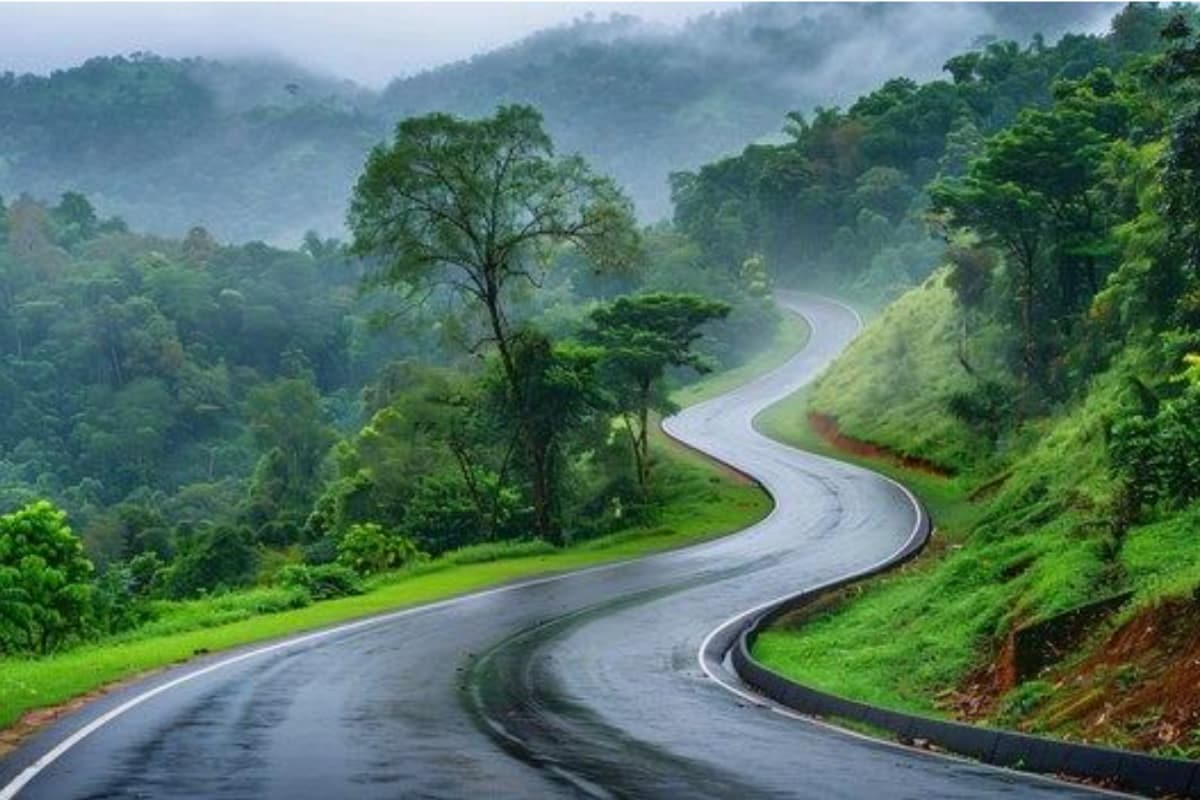
Monsoon trails in India are notoriously slippery, with a combination of mud, wet rocks, and moss. Your regular sports shoes will not provide the necessary traction. Invest in proper trekking shoes with deep lugs on the soles for maximum grip. While waterproof boots sound like a good idea, many experienced hikers find that in continuous rain, water inevitably gets in from the top. Boots that are water-resistant but drain well, paired with waterproof or wool socks, can be a more practical combination. Good ankle support is also key to prevent twists on uneven ground. Remember, your footwear is what keeps you stable and safe on treacherous paths.
4. Essential Pack Protection: Keeping Your Gear Dry
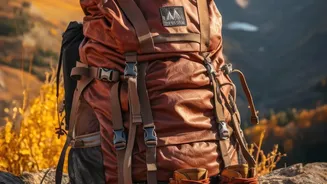
You've kept yourself dry, but what about your gear? A wet backpack means soaked spare clothes, ruined snacks, and damaged electronics. Relying on the bag's material alone is a mistake. The solution is two-fold. First, use a waterproof rain cover on the outside of your backpack. This is your primary shield against downpours. Second, and just as important, is internal waterproofing. Line your backpack's main compartment with a large dry bag or a durable plastic bag. Then, compartmentalise critical items like electronics, your wallet, and your spare clothes into smaller zip-lock or dry bags. This double-layer system ensures that even if the outer cover fails or you take a tumble, your essentials remain completely dry.
5. A Monsoon-Ready Safety Kit: Beyond the Basics
Your standard first-aid kit needs a few monsoon-specific additions. The damp environment increases the risk of infections, so an antiseptic for cleaning cuts and scrapes is crucial. With the rain come leeches, especially in forested areas of the Western Ghats. Carry a small bottle of salt or hand sanitiser to help remove them safely. Insect repellent is also a must. Furthermore, the heavy cloud cover can make it get dark surprisingly early, so a waterproof headlamp or torch is essential for safety. Finally, ensure your mobile phone is fully charged and consider carrying a power bank stored in a waterproof pouch for emergencies.