
As the intense summer heat finally recedes, a welcome coolness settles over Jaipur, transforming the city. This is the season when the Pink City's legendary heritage sheds its harsh glare and reveals its true, inviting magic.
The Golden Hour Lasts All Day
The single biggest change
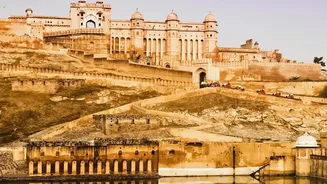
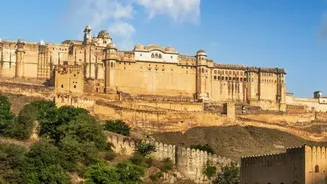
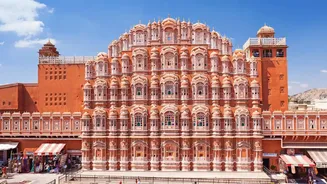
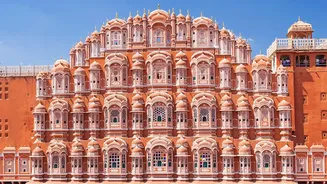
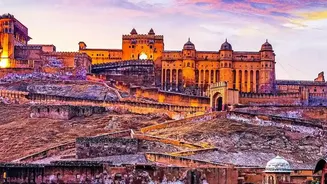
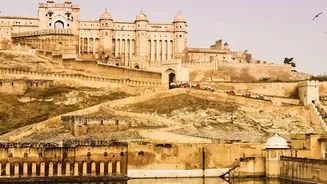
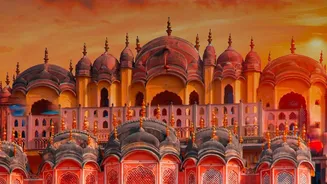
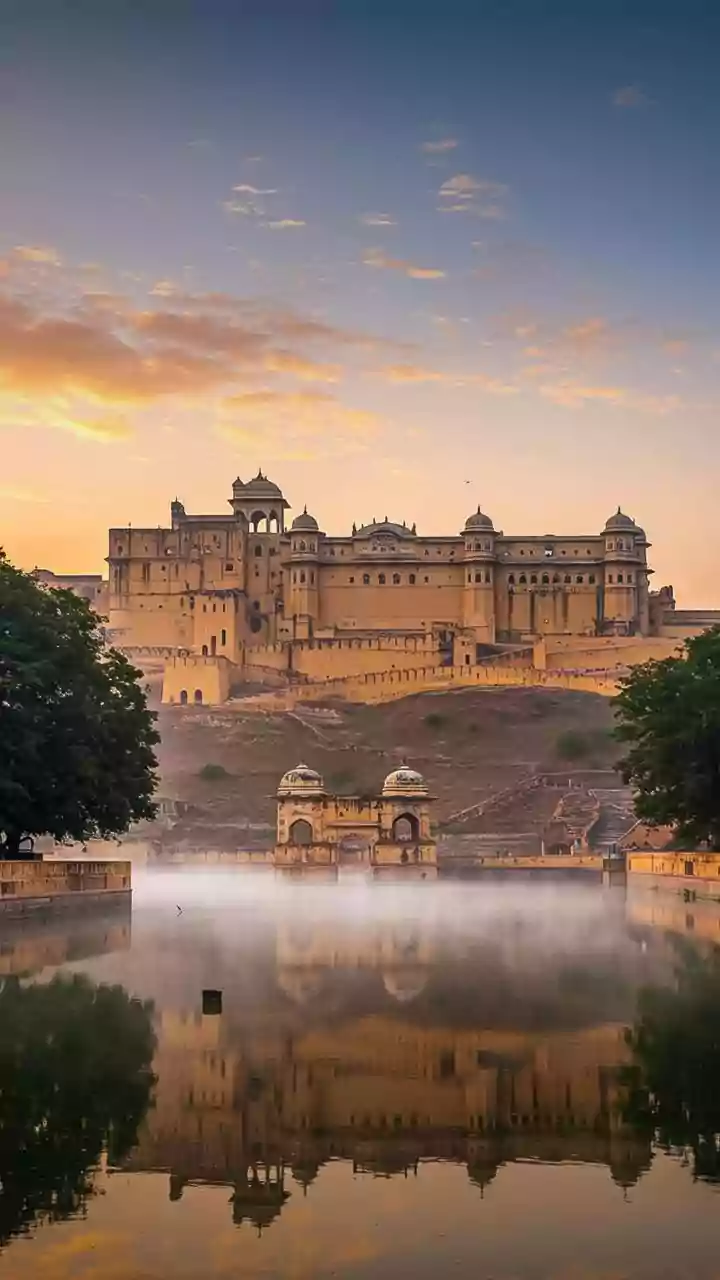
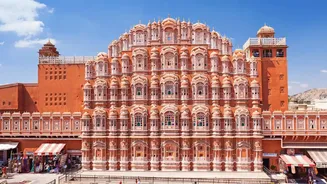
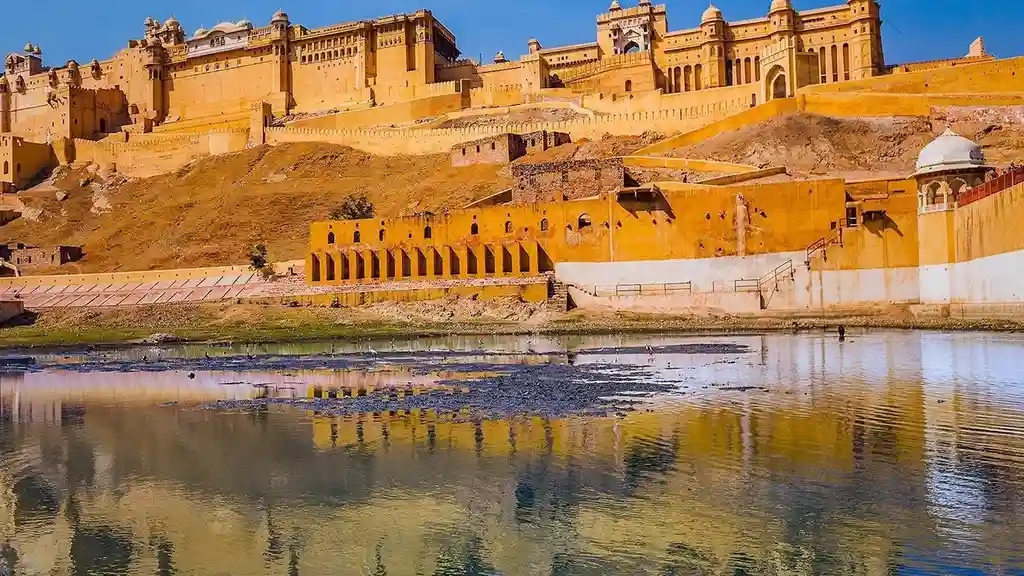
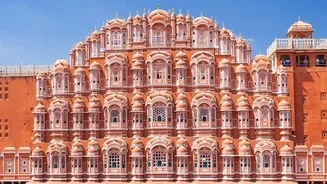
in Jaipur's cooler months, from October to March, is the quality of the light. The sun, no longer a blistering force, hangs lower in the sky, casting a soft, golden glow that lasts for hours. This gentle light makes the city's iconic terracotta-pink buildings radiate warmth, turning a simple walk through the walled city into a photographic dream. Exploring the sprawling grounds of Amer Fort, the intricate astronomical instruments of Jantar Mantar, or the grand courtyards of the City Palace becomes a pleasure rather than an endurance test. The comfortable daytime temperatures mean you can spend hours appreciating the detailed architecture without seeking refuge from the heat.
A Walker's Paradise
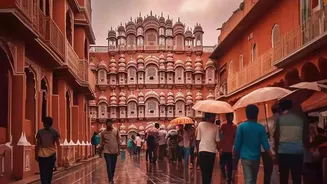
Jaipur’s true spirit is found not just in its magnificent monuments but in the bustling lanes that connect them. The cooler weather makes the city a walker’s paradise. Strolling through Johari Bazaar, with its endless rows of jewellery and textile shops, or Bapu Bazaar, famous for leather goods and local crafts, is an immersive experience. The energy is palpable, with vendors calling out and the scent of street food in the air, but the pleasant climate keeps you energised. It’s the perfect time for a self-guided heritage walk, discovering hidden temples and havelis that are often missed on a rushed tour. Evenings are particularly lively, as locals and tourists alike reclaim the open-air markets and public squares.
A Feast for the Senses
Winter is when Jaipur’s culinary scene truly shines, offering a host of seasonal delicacies designed to warm the body and soul. The air is filled with the aroma of hot, crispy pyaaz kachori being pulled from bubbling oil at Rawat Mishtan Bhandar. Sweet shops proudly display stacks of gajak, a crunchy sweet made from sesame seeds and jaggery, a winter specialty. It’s the season for rich, slow-cooked moong dal halwa and gajar ka halwa, made from sweet winter carrots. Sipping a hot masala chai from a kulhad (earthen cup) on a chilly evening while watching the city go by is a simple but essential Jaipur experience.
A Calendar of Culture
The cooler months coincide with Jaipur's most vibrant cultural calendar. January is dominated by two major events: Makar Sankranti and the Jaipur Literature Festival. On Makar Sankranti (January 14th), the sky above the city fills with thousands of colourful kites as families and friends engage in friendly competitions from their rooftops. Shortly after, the Jaipur Literature Festival, one of the world's most celebrated literary events, draws authors, thinkers, and readers from across the globe, filling the city with intellectual energy. These events, combined with various shopping festivals and local fairs, add another layer of excitement to a winter visit.
Vistas Clear and Far
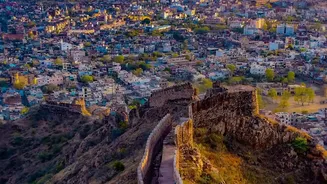
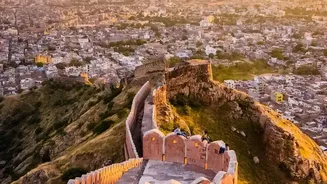
For the most breathtaking views of the Pink City, a trip up to Nahargarh Fort is a must. Perched on the Aravalli hills, the fort offers a panoramic perspective of the sprawling cityscape below. During the cooler season, the air is typically clearer with less haze, providing sharp, unobstructed views, especially at sunrise and sunset. Watching the sun dip below the horizon, painting the sky in shades of orange and pink as the city lights begin to twinkle, is an unforgettable sight. The clear skies also make it an ideal time for activities like hot-air ballooning over the forts for a once-in-a lifetime perspective of any region's majestic landscape.