





The Nutritional Power of Ragi
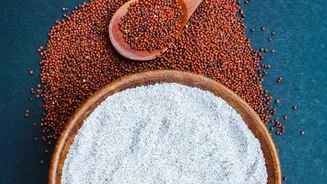
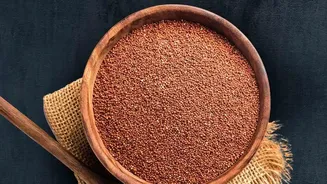
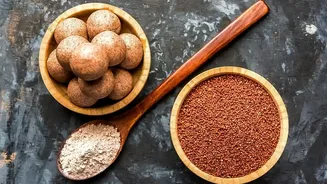
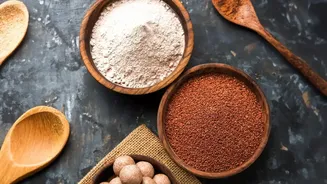
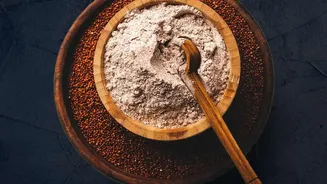
Ragi, also known as finger millet or nachni, is a nutrient-dense grain celebrated for its impressive health benefits. It is naturally gluten-free, making it a great option for those with sensitivities. One of its standout features is its high calcium
content, which is crucial for strong bones and teeth. Ragi is also a rich source of iron, which helps combat anaemia, and dietary fibre, which aids digestion and promotes a feeling of fullness, supporting weight management efforts. Its low glycemic index means it releases sugar into the bloodstream slowly, helping to manage blood sugar levels effectively, making it a suitable choice for individuals with diabetes. Including ragi in your diet is an easy way to enhance the nutritional value of your everyday meals.
Getting Started: Essential Ragi Baking Tips
Baking with ragi flour can be different from using regular wheat flour due to its unique properties. Since it's gluten-free, it lacks the protein that gives breads their classic structure and chew. For this reason, it’s often best to start by combining ragi flour with other flours like whole wheat, oat, or even a little all-purpose flour. A 50:50 ratio is a good starting point for cakes and muffins. Ragi flour is also quite absorbent, so your recipes may require more liquid—like milk, water, or yogurt—to prevent the final product from being too dry. Finally, ragi has a distinct, nutty flavour that pairs beautifully with ingredients like jaggery, cardamom, chocolate, and nuts.
Mastering Soft and Wholesome Ragi Breads
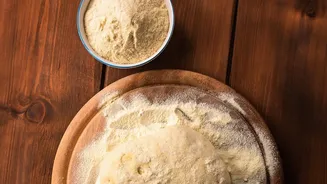
The biggest challenge when making ragi bread is avoiding a dense, heavy loaf. The key is often in the blend of flours and the inclusion of a binding agent. Many successful recipes combine ragi with whole wheat flour and sometimes a small amount of all-purpose flour for better structure. For gluten-free loaves, ingredients like psyllium husk or flaxseed powder mixed with water can act as effective binders, mimicking the role of gluten. When kneading, the dough might feel stickier than a typical wheat dough; resist the urge to add too much extra flour. Allowing the dough to proof properly, often for a second time in the loaf tin, helps develop a lighter texture. For an extra soft crumb, some bakers recommend adding yogurt or a little oil to the dough.
Crafting Delicious and Healthy Ragi Cookies
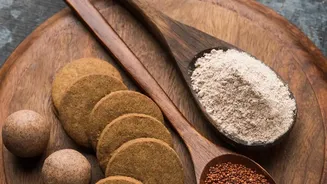
Ragi cookies are a wonderful, guilt-free treat. To achieve the best texture, many recipes suggest mixing ragi flour with besan (gram flour) or whole wheat flour. The choice of fat is also important; ghee or softened butter helps bind the dough and creates a crumbly, melt-in-the-mouth texture. Unlike breads, cookie dough made with ragi benefits from being chilled in the refrigerator for at least 30 minutes before baking. This helps prevent them from spreading too much. Ragi cookies don't always flatten on their own, so it's best to shape them into small balls and press them down slightly before baking. For crispy cookies, bake at a lower temperature for a longer time. Remember to let them cool completely on a wire rack, as they will crisp up as they cool.
Common Mistakes to Avoid
A common pitfall for beginners is using 100% ragi flour in a recipe designed for wheat flour, which often results in a very dense and crumbly bake. It's crucial to either follow a recipe specifically developed for ragi or start by substituting just 25% of the regular flour with ragi flour. Another mistake is not adding enough liquid. Ragi's high fibre content makes it thirsty, so you'll likely need to increase the amount of water, milk, or oil. Overbaking is also a risk, as millet-based bakes can dry out quickly. Keep a close eye on your oven and check for doneness a few minutes earlier than you normally would.