



The Premier Gateway: IIST
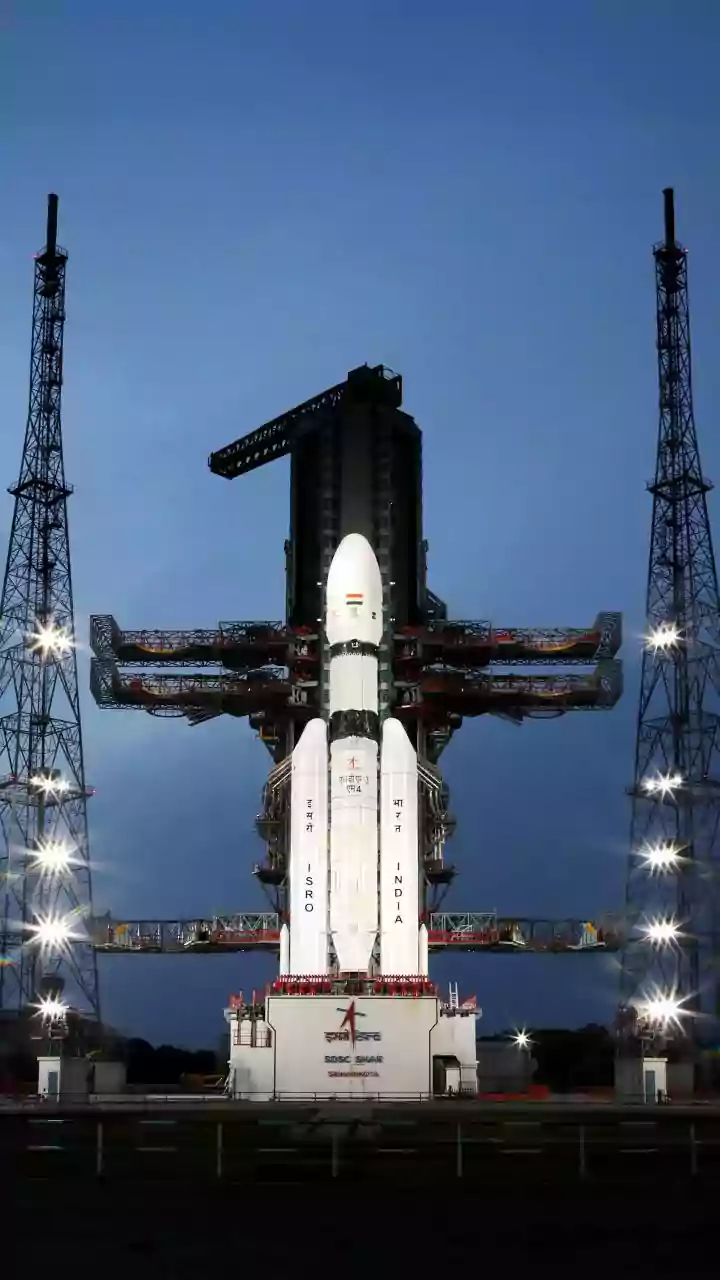
The most direct path to a career in India's space program often begins at the Indian Institute of Space Science and Technology (IIST) in Thiruvananthapuram. Established by the Indian Space Research Organisation (ISRO), IIST is Asia's first space university.
It offers undergraduate (B.Tech), dual-degree, and postgraduate programs in areas like Aerospace Engineering and Avionics. Admission is highly competitive, based on performance in the Joint Entrance Examination (JEE) Advanced. A key advantage for graduates is the potential for direct recruitment into ISRO as scientists or engineers, subject to specific criteria and vacancies. This makes IIST a coveted institution for any serious space aspirant.
Catch Them Young: ISRO's YUVIKA Programme
To foster interest at a young age, ISRO runs the YUva VIgyani KAryakram (YUVIKA), or Young Scientist Programme. This is a two-week residential program designed for students who have completed Class 9. The initiative aims to provide a foundational understanding of space technology, science, and applications. Participants are selected based on merit from across all states and union territories, ensuring broad representation. The program includes talks by eminent scientists, lab visits, and hands-on activities at various ISRO centres like Vikram Sarabhai Space Centre (VSSC) and U R Rao Satellite Centre (URSC), giving young minds an early and immersive glimpse into India's space sector.
Internships and Projects with ISRO
For university students, ISRO offers valuable hands-on experience through its Internship Scheme and Student Project Trainee Scheme. These opportunities are available to students pursuing degrees in relevant science and technology disciplines. The internship program is a shorter engagement, lasting up to 45 days, while the project trainee scheme supports longer academic projects required for degrees like B.Tech, M.Tech, and M.Sc. It's important to note that these are typically unpaid positions designed to provide experience, not financial assistance. Applications are not centralized; students must apply directly to the specific ISRO centre whose work aligns with their field of study.
The New Frontier: India's Private Space Sector
The Indian space landscape is no longer limited to government entities. The emergence of a vibrant private sector has created a wealth of new opportunities. Companies like Skyroot Aerospace, Agnikul Cosmos, Pixxel, and Dhruva Space are actively hiring for roles in launch vehicle development, satellite manufacturing, and data analytics. These startups are looking for talent in aerospace engineering, software development, data science, and electronics. Many of these companies offer internships that can be a fast track to a full-time position. The work culture is often fast-paced and provides a steep learning curve, appealing to students eager to be at the forefront of innovation.
Beyond Engineering: Diverse Roles in Space
A career in the space sector is not just for rocket scientists and engineers. As the industry matures, it requires a diverse range of skills. There is a growing demand for experts in space law, who can navigate international treaties and regulations. Space medicine is another emerging field, especially with ambitions like the Gaganyaan crewed mission. Furthermore, the vast amount of data generated by satellites requires data scientists and analysts to interpret it for applications in agriculture, climate monitoring, and urban planning. Even fields like marketing, finance, and visual design have a role to play in the growing number of private space companies.
Finding Support: Scholarships and Resources
Financing an education in aerospace engineering can be a concern, but several scholarships are available. The Foundation for Excellence (FFE) offers the FFE-Collins Aerospace Scholarship Program specifically for female students pursuing B.Tech in Karnataka and Telangana. Institutions like the Indian Institute for Aeronautical Engineering and Information Technology (IIAEIT) also offer scholarships based on their own aptitude tests. Beyond specific scholarships, students should explore opportunities within the IITs and NITs, many of which have strong aerospace departments and institutional aid. For those looking abroad, options like the Fulbright-Nehru and Erasmus Mundus scholarships can support studies in space-related fields.