

You've seen them touted as superfoods, but the best thing about millets is that they've been in our kitchens for centuries. Here’s a simple guide to rediscovering these nutritious, affordable ancient grains in your local Indian market.
What Exactly Are Millets?
Before rice and
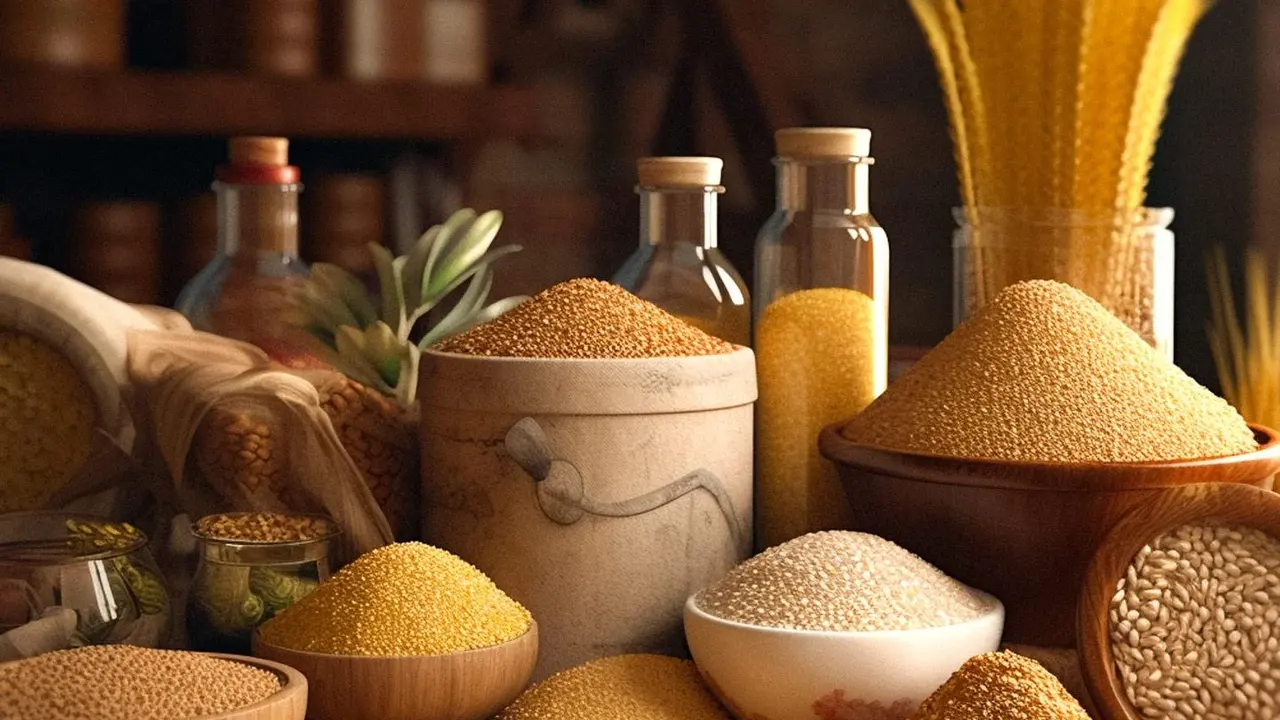
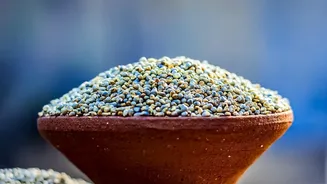
wheat became our go-to grains, a diverse family of hardy, small-seeded grasses known as millets were staples across India. Often called 'coarse grains' or 'Shree Anna', these are ancient crops that have been cultivated for thousands of years. They are incredibly resilient, requiring less water than rice and thriving in dry, arid conditions, which makes them an environmentally sustainable choice. Broadly, they are grouped into major millets—like Jowar, Bajra, and Ragi, which are widely grown—and a variety of minor millets like Foxtail, Kodo, and Barnyard millet, each with a unique profile.
A Nutritional Powerhouse on Your Plate
The renewed interest in millets is for a good reason: they are packed with nutrition. Compared to polished white rice, millets are nutritional superiors on almost every count. They are naturally gluten-free and boast a much higher fibre content, which aids digestion, promotes a feeling of fullness, and helps in managing blood sugar levels. Different millets bring different strengths to the table. Ragi (finger millet) is famously rich in calcium, making it excellent for bone health. Bajra (pearl millet) is a great source of iron and magnesium, while Jowar (sorghum) is prized for its high fibre and antioxidant properties. Many minor millets, like Foxtail and Barnyard millet, are also rich in protein and fibre.
Your Guide to the Local Mandi
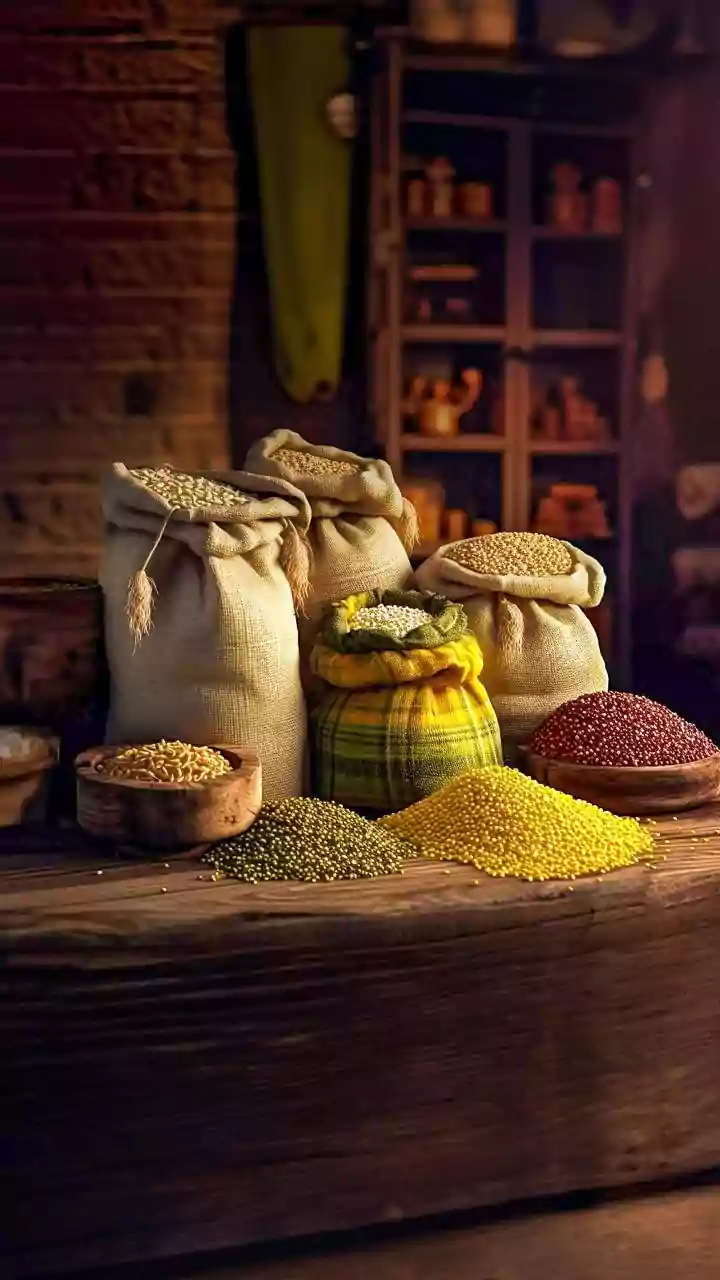
Navigating the millet section of your local market can be confusing, as names change from region to region. Here’s a quick guide to the most common types you’ll find: Jowar (Sorghum): Creamy white and round, this is one of the mildest-tasting millets, making it perfect for beginners. Its flour is widely used to make rotis or bhakri, especially in Maharashtra and Karnataka. Bajra (Pearl Millet): These small, greyish grains have a nutty flavour and are known for their warming properties, making them a winter staple in Rajasthan and Gujarat for rotlas and khichdi. Ragi (Finger Millet): Tiny and reddish-brown, ragi has an earthy taste and is a calcium powerhouse. It's used across India for everything from porridge and dosas to the famous 'ragi mudde' in Karnataka. Foxtail Millet (Kangni/Thinai): These small, yellow grains cook up light and fluffy, similar to rice. They are a great starting point for making upma, pulao, or pongal. * Barnyard Millet (Samak/Sanwa): Often known as 'vrat ke chawal', this millet is popular during fasting periods. It cooks quickly and has a texture similar to broken rice, ideal for khichdi.
Are They Genuinely Affordable?
While specialty stores and online brands might price some processed millets at a premium, the raw grains found in local markets are generally very affordable. Major millets like jowar, bajra, and ragi are often priced competitively with or even cheaper than whole wheat and certain varieties of rice. Although some minor or unpolished varieties like Browntop millet can be more expensive due to lower cultivation and complex supply chains, the most common millets remain an accessible, budget-friendly way to boost your diet's nutritional value. Most millets are grown as rain-fed kharif crops, with their sowing tied to the monsoons, but the dried grains are available in markets year-round.
Easy Ways to Start Cooking with Millets
Incorporating millets into your diet doesn't require a complete kitchen overhaul. The easiest way to start is by substitution. 1. Rinse and Soak: Most whole millets benefit from a good rinse and soaking for at least 30 minutes to a few hours. This softens the grain and makes it easier to digest. 2. Cook Like Rice: Small millets like Foxtail, Little, and Kodo can be cooked just like rice in a pressure cooker or an open pot. A general ratio is 1 cup of millet to 2-2.5 cups of water. 3. Mix Flours: Start by mixing 25% jowar or bajra flour into your regular chapati atta. You can gradually increase the ratio as you get used to the taste and texture. 4. Try Familiar Dishes: Make your usual upma, khichdi, or pongal by replacing semolina or rice with an equal amount of foxtail or barnyard millet. Ragi flour can be used to make a simple, nutritious porridge.