


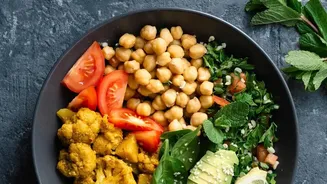
The Plant-Based Nutrient Puzzle
Plant-based diets are celebrated for their health benefits, but getting all the necessary nutrients in their most usable form can be a challenge. This is because of something called bioavailability, which refers to how well your body can absorb and use a nutrient from
food. Plant-based foods like lentils, beans, and spinach are packed with essential minerals, but they also contain natural compounds, such as phytates and tannins, that can hinder their absorption. For instance, the iron found in plants, known as non-heme iron, is not as easily absorbed by the body as the heme iron found in animal products. This means that even if a dish is technically rich in a nutrient, your body might not be getting the full benefit.
Vitamin C: The Key to Absorption
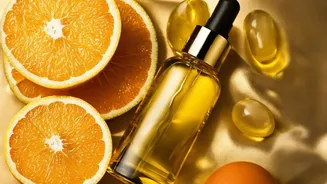
This is where Vitamin C, or ascorbic acid, comes in as a nutritional hero. While the headline mentions protein, the most well-documented and powerful effect of Vitamin C is its ability to dramatically increase the absorption of non-heme iron from plant-based foods. Many of India's staple protein sources, like dal (lentils), chana (chickpeas), and rajma (kidney beans), are also rich in iron. When you consume Vitamin C along with these iron-rich plant foods, it works on a molecular level. It helps to convert the iron into a form that is much more readily absorbed by your gut. One analysis of multiple studies found that adding Vitamin C to a meal increased non-heme iron absorption by a significant margin. So, while Vitamin C may not directly boost protein uptake, it unlocks the vital iron in your protein-rich dishes, supporting overall energy and health.
Simple Pairings for Maximum Benefit
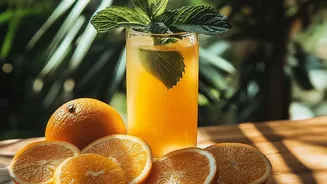
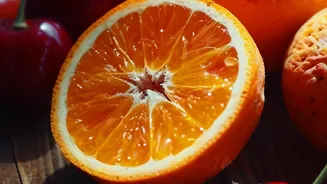
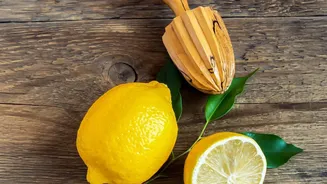
Incorporating this science into your daily meals is surprisingly simple and aligns perfectly with many traditional Indian eating habits. The goal is to combine your plant-protein source with a food rich in Vitamin C within the same meal. A squeeze of lemon or lime is one of the easiest ways to do this. Think of adding a generous squeeze of lemon juice to your bowl of dal or sambar. Chopping fresh tomatoes and onions, both good sources of Vitamin C, into a kachumber salad to serve alongside chickpea curry is another excellent strategy. When making palak (spinach) dishes, consider adding bell peppers (capsicum), which are incredibly high in Vitamin C. Even having a small glass of orange juice with an iron-fortified breakfast cereal can make a difference.
Practical Meal Ideas
To make it even easier, here are a few simple meal ideas that naturally pair these nutritional allies: Lentil Soup (Dal): Finish your dal with a swirl of tamarind paste or a squeeze of fresh lemon just before serving. Chickpea Curry (Chana Masala): Serve with a side of fresh salad containing tomatoes, onions, and bell peppers, or stir in some fresh amla (Indian gooseberry) chutney. Bean Salad: Create a vibrant salad with kidney beans, black beans, corn, and a zesty lime-based vinaigrette dressing. Spinach and Tofu Stir-fry: Sauté spinach and tofu with brightly coloured bell peppers and a sprinkle of lemon juice at the end. * Vegetable Pulao: Load your rice with iron-rich vegetables like peas and beans, and pair it with a side of broccoli or a tomato-based raita. These small additions don't just add flavour and freshness; they fundamentally change the nutritional equation of your meal for the better.
More Than Just Iron
While its effect on iron absorption is the star of the show, Vitamin C is a powerhouse nutrient in its own right. It is a vital antioxidant that helps protect your cells from damage, supports your immune system, and plays a crucial role in producing collagen, which is essential for healthy skin, bones, and tissues. By consciously pairing these foods, you are not only optimising your iron levels but also ensuring you get a robust intake of this essential vitamin. This holistic approach enhances the overall health benefits of your plant-based diet, ensuring your body has the tools it needs to thrive.