





The Monsoon's Current March
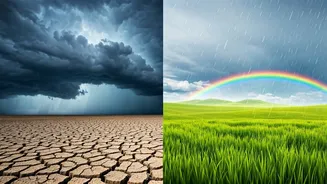
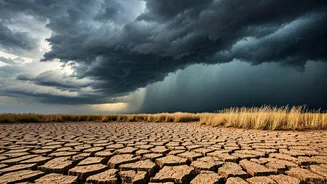
After a prolonged dry spell in June that left India with a significant rainfall deficit, the monsoon is finally showing signs of a revival. According to the India Meteorological Department (IMD), conditions are becoming favorable for the monsoon to advance
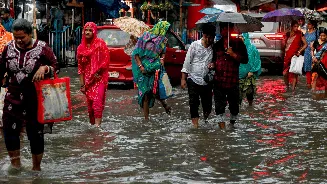
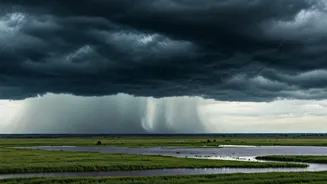
further into northern and central India in the coming days. While heavy to very heavy rainfall is expected to continue lashing Northeast India, Sub-Himalayan West Bengal, and Sikkim, other regions are also set for more widespread showers. This includes parts of Uttar Pradesh, Uttarakhand, and even heatwave-affected areas like Delhi, which may see relief soon. However, the revival is uneven, with some areas still waiting for substantial rain while others face intense downpours.
Rethink Your Getaway: Destinations to Embrace
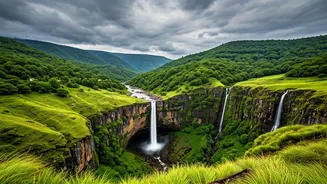
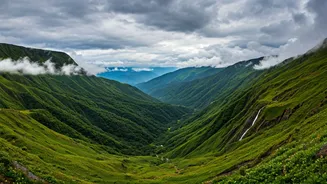
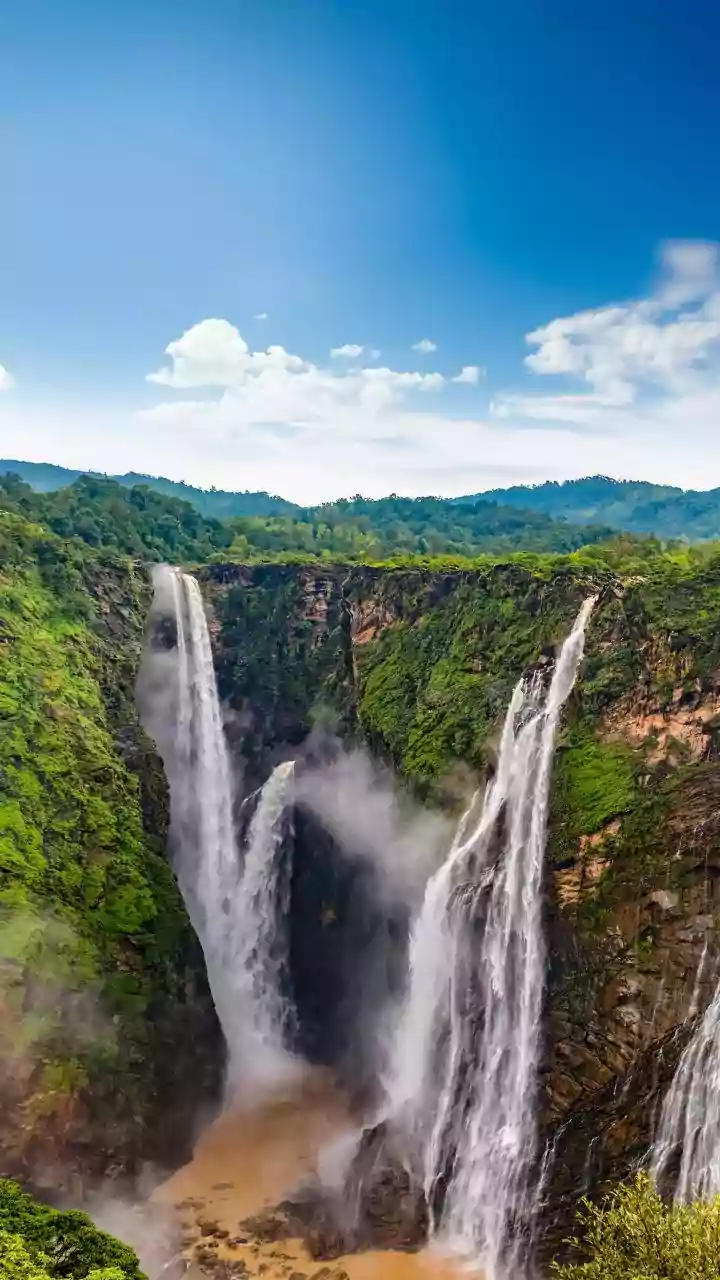
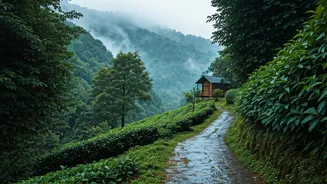
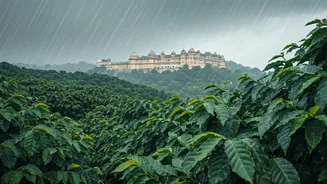
Monsoon travel is about choosing destinations that come alive in the rain, not those that become inaccessible. While you should be cautious about landslide-prone Himalayan regions like parts of Uttarakhand and Himachal Pradesh, other places turn magical. Consider the Western Ghats, where destinations like Lonavala and Mahabaleshwar in Maharashtra become draped in mist and lush greenery. In the south, Coorg in Karnataka offers misty coffee plantations and powerful waterfalls. For those seeking to avoid the rain altogether, Spiti Valley in Himachal Pradesh lies in a rain-shadow area, offering dry, clear, and spectacular landscapes during this period. Goa also presents a different charm—quieter, greener, and more relaxed than in peak season.
Where to Postpone: Travel with Caution
Certain regions are best avoided during heavy monsoon months due to safety concerns. Hill stations known for landslides, such as parts of Uttarakhand, Darjeeling, and the Kullu-Manali corridor, pose significant risks. Heavy rainfall often leads to blocked roads and hazardous travel conditions. Even some popular southern destinations like Munnar and Wayanad, while beautiful, are prone to landslides during intense spells and should be visited with caution. Major cities like Mumbai can also be challenging, as heavy downpours can lead to widespread waterlogging and bring local transport to a standstill. Always check local weather alerts and road conditions before finalizing plans for these areas.
The Urban Monsoon Survival Guide
Navigating city life during the monsoon requires a bit of extra preparation. Traffic jams often worsen, so it's wise to top up your vehicle's fuel tank to avoid getting stranded. Power cuts can become more frequent, so keep power banks charged and have an emergency kit with flashlights and essential supplies ready. For your health, be vigilant about water-borne diseases. Avoid street food that may be prepared with contaminated water and ensure your drinking water is purified. Mosquitoes also thrive in this season, so use repellents and prevent water from stagnating around your home to curb breeding.
Driving Safely Through the Downpour
Wet roads, reduced visibility, and the risk of flooding make monsoon driving particularly tricky. Before you head out, ensure your vehicle is ready: check that your tyres have adequate tread, your brakes are in good condition, and your windshield wipers are working effectively. Once on the road, reduce your speed and maintain a greater distance from the vehicle in front, as stopping distances increase on wet surfaces. Turn on your headlights, even during the day, to improve visibility for yourself and others. Crucially, never attempt to drive through heavily waterlogged streets; it's difficult to judge the depth, and hidden potholes or open manholes can pose a serious danger.