




The Crave-Worthy Crunch
One of the first things we miss in a restricted diet is textural variety, especially a good, satisfying crunch. Fasting food often leans towards soft and mushy textures—think boiled potatoes or sabudana khichdi. While comforting, an entire meal without
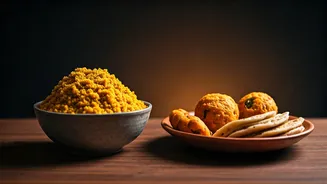
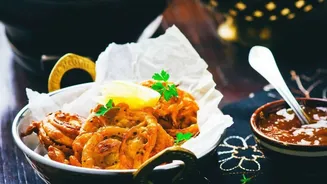
contrast can feel dull. Introducing crunch is the easiest way to make your plate more exciting and engaging. This isn't just about deep-frying; it's about smart cooking techniques and ingredient choices. Consider shallow-frying your sabudana vadas until they are golden-brown and crisp on the outside, while remaining soft within. Instead of boiling potatoes for your sabzi, try cutting them into small cubes, tossing them with sendha namak and काली मिर्च, and roasting them in an oven or air fryer until their edges are delightfully crispy. Even a simple garnish of roasted peanuts or makhanas (fox nuts) over a bowl of dahi can elevate the entire experience from a simple dish to a multi-layered treat.
Finding Familiar Comfort
Fasting is a discipline, but the food that supports it should feel like a warm hug, not a punishment. Comfort food is deeply personal, often tied to familiar flavours and creamy, hearty textures that soothe the soul. During a fast, you can recreate this feeling using permissible ingredients. A rich, creamy curry made with a base of tomato and cashew paste can be a wonderful vehicle for paneer or chunks of sweet potato. Kuttu (buckwheat flour) can be used to make a tangy and warming kadhi, seasoned with ginger and green chillies. Instead of plain rice, Sama ke Chawal (barnyard millet) can be cooked into a soft, flavourful khichdi with potatoes and peanuts, mimicking the comfort of a traditional dal-khichdi. The goal is to create dishes that feel nourishing and familiar, reminding you that fasting food can be just as satisfying as your everyday meals. It’s about flavouring with intention, using spices like cumin, ginger, and green chilli to build a taste profile that is both delicious and compliant with fasting rules.
The Art of a Balanced Plate
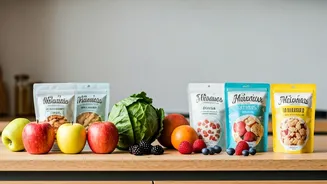
Balance is perhaps the most crucial element, as it dictates how you feel throughout your fast. A meal heavy on only potatoes or sabudana can lead to a quick energy spike followed by a slump, leaving you feeling lethargic. A balanced fasting plate ensures sustained energy and keeps hunger at bay. Think in terms of food groups: you need carbohydrates for energy, protein for satiety, and healthy fats for flavour and fullness. For example, pair your starchy potatoes (carbs) with a generous portion of paneer (protein) and a spoonful of ghee (fat). A bowl of fruit raita adds fibre and nutrients. A meal of Kuttu ki Roti served with a Lauki ki Sabzi (bottle gourd curry) and a side of plain yogurt is another excellent example of a balanced meal. This approach also extends to flavours. If your main dish is savoury, like a jeera aloo, balance it with something tangy like a tomato chutney (made without onion or garlic) and something fresh like a cucumber salad. This trifecta prevents palate fatigue and makes each meal feel complete and well-rounded.
Simple Swaps for Better Meals
Putting these principles into practice doesn't require a complete overhaul of your fasting menu. Small, strategic swaps can make a huge difference. Instead of just boiling sweet potatoes, try making shakarkandi chaat by dicing roasted sweet potato and tossing it with yogurt, tamarind chutney, and roasted cumin powder for a perfect blend of sweet, sour, and savoury. If you love smoothies, blend banana, dates, and a handful of almonds with milk or yogurt for a balanced, filling drink that covers all your bases. Transform leftover Sama ke Chawal into crispy pancakes for your next meal. The idea is to think beyond the obvious. By focusing on adding a crunchy element, ensuring a comforting core, and building a nutritionally balanced plate, your fasting food will not only sustain you but also bring a sense of joy and creativity to your kitchen.