






As the seasons turn, the familiar ritual of packing away our beloved woollens begins. But proper storage is more than just making space; it's an act of preservation that ensures your favourite sweaters emerge fresh, intact, and ready for winter.
The First Rule: Always Clean Before Storing
The single
most important step in preserving your woollens is to clean them before they go into storage. Moths and other pests are not attracted to the wool fibre itself, but to the microscopic skin cells, food particles, and sweat left on the garment after wearing. Even a sweater worn just once should be washed or dry-cleaned according to its care label. For hand-washing, use a mild, wool-specific detergent in lukewarm water, gently swishing the garment without twisting or scrubbing. Ensure every item is completely dry before packing it away, as even a hint of dampness can lead to mildew and musty odours.
Fold, Never Hang, Your Knits
Gravity is the enemy of a knitted garment. Hanging a heavy wool or cashmere sweater, especially for months on end, will inevitably cause it to stretch and lose its shape. The weight of the garment pulls down on the shoulder seams, creating unsightly bumps and distorting the overall silhouette. The best practice is to always fold your knitwear. Lay the sweater flat, fold the sleeves across the chest, and then fold the body in half or thirds. This method distributes the weight evenly and prevents any stress on the delicate fibres. For structured items like wool jackets, a wide, shaped hanger inside a breathable garment bag is appropriate.
Choose Breathable Storage Solutions
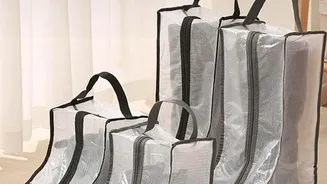
While it might seem logical to seal your woollens in airtight plastic containers or vacuum bags, this can do more harm than good. Wool is a natural fibre that needs to breathe. Airtight containers can trap residual moisture, creating a humid environment that invites mildew and can cause the fibres to become brittle. Instead, opt for breathable storage solutions like cotton or linen bags, canvas bins, or even clean cotton pillowcases. These protect your garments from dust and pests while still allowing for essential air circulation. Store these containers in a location that is cool, dark, and dry—avoiding attics or basements where temperature and humidity can fluctuate.
Employ Natural Pest Repellents
Forget the pungent smell of old-fashioned mothballs. You can effectively deter moths and other pests with natural alternatives that smell much more pleasant. Cedar is a classic choice; its natural oils repel moth larvae. You can use cedar blocks, rings, or sachets in your storage containers. Remember to lightly sand the wood every few months to refresh the scent and maintain its effectiveness. Lavender is another powerful and fragrant deterrent. Place dried lavender sachets or cotton balls with a few drops of lavender essential oil among your folded sweaters to keep them protected and smelling wonderful. Other effective scents include mint, eucalyptus, cloves, and rosemary.
Stack Smartly and Check In
When placing your folded sweaters into their storage containers, a little organization goes a long way. Place heavier, chunkier knits at the bottom of a pile and lighter, more delicate ones on top. This prevents the weight of the bulkier items from crushing and creasing the finer garments below. Try not to overstuff your containers or stack sweaters too high, as this can compress the fibres and inhibit air circulation. Finally, storage shouldn't be a 'set it and forget it' affair. If possible, check on your stored woollens every month or two to ensure there are no signs of pests or dampness and to allow for some fresh air. This small effort can catch any potential issues before they become a disaster.