



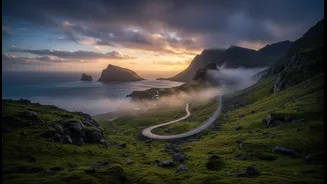


A Tale of Two Monsoons in Himachal
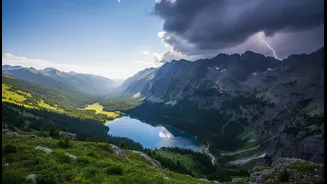
For much of Himachal Pradesh, July is a month of intense monsoon activity, with heavy rainfall leading to lush landscapes but also significant travel challenges. This week, many popular destinations are grappling with the effects of downpours, including
road closures and advisories to avoid riversides. According to the India Meteorological Department (IMD), while the state is seeing a temporary break from heavy rain until July 17, monsoon activity is expected to intensify again afterwards. As of Monday, 69 roads remained blocked across the state due to recent rains, with Kullu district being the worst hit. This creates a stark contrast for travellers: while places like Shimla and Mandi see wet weather, a different world awaits those who venture further north.
The Science Behind the Shield: What Is a Rain Shadow?
The secret to Spiti’s dry weather lies in a simple yet powerful meteorological phenomenon: the rain-shadow effect. Imagine the monsoon as a massive, moisture-laden cloud system travelling north from the Indian Ocean. When this system encounters a mountain range as formidable as the Himalayas, it's forced to rise. As the moist air ascends the windward side of the mountains, it cools, and its capacity to hold water decreases. This forces the clouds to release their moisture as heavy rainfall on the southern slopes. By the time the airmass crests the high peaks and descends on the other side—the leeward side—it has been stripped of most of its moisture. This dry air then warms as it sinks, creating an arid or semi-arid climate. Spiti Valley is located squarely in one such rain shadow.
Spiti's Great Himalayan Barrier
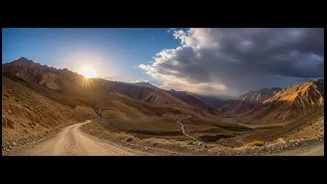
Spiti is geographically positioned in a high-altitude trans-Himalayan region, effectively walled off from the monsoon by the Pir Panjal and Great Himalayan ranges to its south. These towering mountains, acting as a natural barrier, block the southwest monsoon clouds from entering the valley. As a result, while a district like Kangra might receive over 1,600 mm of rainfall during a normal monsoon season, Lahaul and Spiti district receives just over 380 mm. This geographical advantage means that July and August, which are peak monsoon months elsewhere, are actually considered prime tourist season in Spiti, marked by clear blue skies, strong sunlight, and pleasant daytime temperatures that typically range from 20°C to 25°C in the main town of Kaza.
What This Means for Travellers This Week
For tourists, Spiti’s rain-shadow status makes it one of India’s most reliable and spectacular monsoon escapes. While the rest of the country plans around downpours, travellers in Spiti can explore ancient monasteries like Key and Tabo, visit the world's highest post office in Hikkim, and drive across the stunning landscape under largely sunny skies. However, there’s a crucial catch: while Spiti itself is dry, getting there can be an adventure. The approach roads, particularly from Manali and even the more reliable Shimla side, pass through regions that do receive monsoon rains. Landslides, water crossings, and shooting stones are real risks on these access routes. Travellers are advised to choose the Shimla-Kinnaur route, which is generally more stable, avoid driving at night, and build extra buffer days into their itinerary to account for potential delays.
The Land of a Different Monsoon
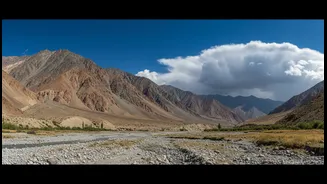
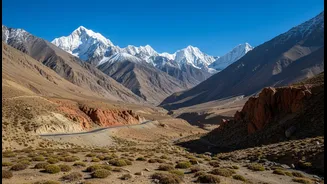
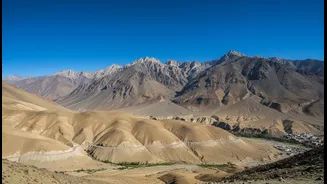
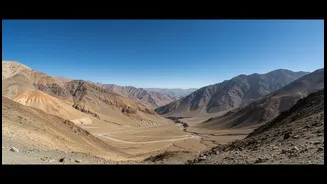
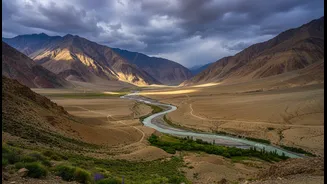
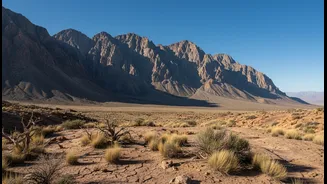
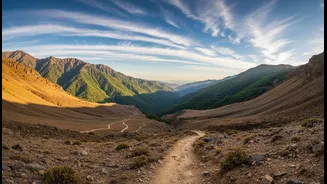
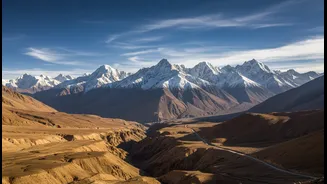
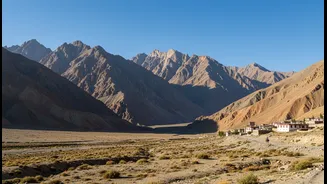
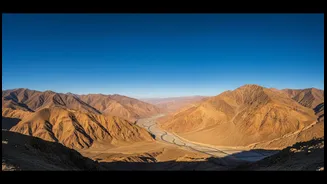
The rain-shadow effect does more than just keep Spiti dry; it defines its very character. Classified as a cold desert, the region’s aridity has shaped its unique landscape, culture, and architecture. The stark, brown and golden mountains are a sharp contrast to the lush green hills seen in other parts of Himachal during monsoon. The light in Spiti is famously sharp and clear, making it a paradise for photographers. Life here has adapted to extreme conditions, from the design of its stone houses to the resilient spirit of its people. Visiting Spiti during the monsoon season isn't just about escaping the rain; it's about witnessing how the absence of it has created one of the most mesmerizing and distinct high-altitude cultures in the world.