






The Dark Side of the Sunshine Vitamin
Scroll through wellness-focused social media, and you'll see a change in tone. Where advice once centred on overcoming deficiency, a new narrative about the dangers of 'too much' Vitamin D is taking hold. Influencers are posting about the risks of over-supplementing,
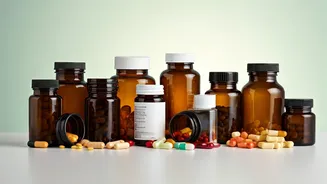
a topic previously confined to medical journals. This has left many people confused. After being told for years to increase their intake, the sudden warnings about toxicity can be alarming. The concern stems from a real, though rare, condition called hypervitaminosis D, or Vitamin D toxicity. It happens when you accumulate excessive amounts in your body, almost always from high-dose supplements, not from sunlight or your diet. While awareness is good, the social media spin often lacks the crucial context needed to make informed health decisions.
The India-Specific Dilemma
The conversation is especially relevant in India, a country with a unique paradox. Despite having plentiful sunshine, an estimated 70% to 100% of the Indian population across all age groups and regions suffers from Vitamin D deficiency. Factors like darker skin pigmentation, which requires more sun exposure to produce Vitamin D, modern indoor lifestyles, urban pollution that blocks UVB rays, and traditional clothing that covers most of the skin contribute to this widespread issue. Furthermore, the typical Indian diet is low in naturally rich sources of Vitamin D, and food fortification is not widespread. This makes supplementation a common and often necessary strategy, but it also raises the stakes for getting the dosage right. The high prevalence of deficiency means many people are taking supplements, making the conversation about safety more critical than ever.
Recognising the Signs of Toxicity
Vitamin D toxicity occurs when high levels cause a buildup of calcium in the blood, a condition known as hypercalcemia. This is what triggers most symptoms. Early signs can be subtle and might be mistaken for other issues. They include persistent nausea, vomiting, decreased appetite, and constipation or diarrhoea. As calcium levels rise further, you might experience increased thirst and more frequent urination. More severe symptoms can include muscle weakness, bone pain, fatigue, confusion, or 'brain fog'. In serious, prolonged cases, hypercalcemia can lead to kidney stones, kidney damage, and even affect your heart. It's important to remember that these symptoms are linked to extremely high, long-term intake of supplements, not your daily multivitamin or sun exposure.
How Much Is Actually Too Much?
This is the crucial question. For most adults, the safe upper limit for daily Vitamin D intake is 4,000 International Units (IU), or 100 micrograms. Consuming more than this regularly without medical supervision can become harmful. The Indian Council of Medical Research (ICMR) recommends a daily intake of 600 IU for adults under conditions of minimal sun exposure. Some Indian medical expert groups suggest a daily dose of up to 2,000 IU may be appropriate for the generally deficient Indian population, which is still well within the safe upper limit. Toxicity is generally seen only when people take mega-doses, often 50,000 IU or more on a frequent basis, without a doctor's prescription and monitoring. You cannot overdose on Vitamin D from sun exposure, as your body naturally regulates production.
A Smart Guide to Safe Supplementation
Navigating the world of Vitamin D doesn't have to be complicated. The first and most important step is to get tested. Before starting any supplement, ask your doctor for a blood test to check your 25(OH)D levels. This will determine if you are deficient, insufficient, or have adequate levels. Based on the results, your doctor can recommend the correct dosage for you—whether it's a high-dose weekly sachet to correct a major deficiency or a smaller daily amount for maintenance. Never follow dosage advice from social media or friends, as your needs are unique. Finally, choose quality supplements. Look for brands that are reputable and transparent about their ingredients. Your health is too important to leave to online trends.