




The Unsung Hero of Bodyweight Exercise
The bodyweight squat is one of the most effective compound exercises available, requiring no equipment and delivering immense benefits. When done correctly, squats engage not just your legs—quadriceps, hamstrings, and glutes—but also your entire core,
lower back, and the stabilizing muscles around your joints. This makes it a functional movement that translates directly to everyday activities, like lifting heavy objects or simply getting up from a chair. Beyond building strength, regular squatting improves mobility in your hips and ankles, boosts bone density, and gets your heart pumping for a solid cardiovascular workout. Mastering this single exercise provides a powerful foundation for overall fitness.
Your Squat Form Checklist
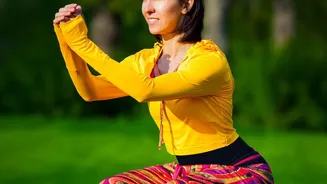
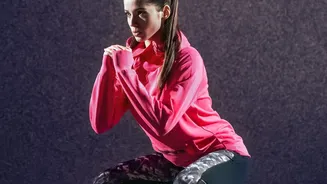
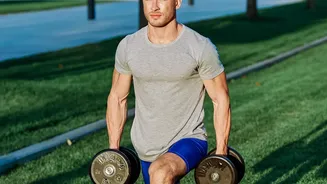
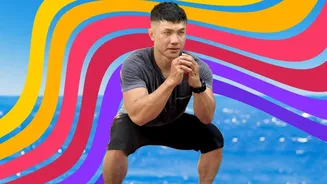
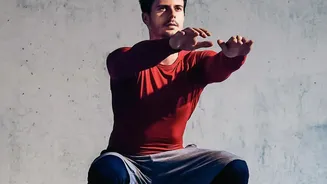
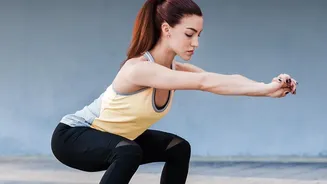
Proper form is crucial to maximize benefits and prevent injury. Before you begin, run through this mental checklist. Stand with your feet about shoulder-width apart, with your toes pointing slightly outward (between 10-30 degrees often feels most natural). Keep your chest up and your spine in a neutral position; avoid rounding your back. Initiate the movement by pushing your hips back as if you're about to sit in a chair that's slightly behind you. Bend your knees to lower your body, keeping your weight primarily in your heels and midfoot. Aim to lower your hips until your thighs are at least parallel to the ground, or as deep as you can comfortably go without your form breaking down. Drive back up to the starting position by pushing through your heels, ensuring your hips and chest rise at the same time.
Common Mistakes to Avoid
Several common errors can compromise your squat and lead to strain. The most frequent mistake is letting your knees cave inward, which puts unnecessary stress on the knee joints. To fix this, actively think about pushing your knees out so they track in line with your feet. Another issue is lifting your heels off the ground, which often signals tight calves or limited ankle mobility and shifts too much pressure onto your knees. Focus on keeping your feet flat. Many people also make the mistake of not squatting deep enough, which limits muscle engagement. While a parallel-thigh position is a good goal, your own mobility should be your guide—don't force depth at the expense of good form. Finally, avoid rounding your back or leaning your chest too far forward, which can strain your spine. Keeping your core engaged will help maintain a strong, neutral torso.
Using the Playground to Your Advantage
A playground offers fantastic tools to modify and improve your squats. If you're a beginner, find a sturdy pole or the back of a bench to hold onto for balance and support as you practice the movement. You can also perform 'box squats' by using a low bench or platform. Squat down until you gently tap the surface, which helps you control your depth and learn the feeling of sitting back into the movement. For a more advanced challenge, a bench can be used for Bulgarian split squats—a single-leg variation where you place the top of your back foot on the bench behind you. Swings can also be used for support during assisted pistol (one-legged) squats, providing balance as you build unilateral strength.
Progressing Your Playground Squat
Once you've mastered the basic bodyweight squat, the playground provides plenty of options to increase the challenge. To add a cardiovascular and power element, try jump squats: perform a standard squat and explode upward into a jump, landing softly and immediately descending into the next rep. For a unilateral challenge that builds serious single-leg strength and stability, use a low bar or swing to assist with pistol squats, gradually reducing your reliance on the support as you get stronger. You can also perform elevated split squats by placing one foot on a step or low platform. By creatively using your environment, you can ensure your workouts remain challenging and engaging without ever needing a gym.