





It’s Not Just About the Budget
The most obvious reason for choosing a hostel or co-living space with a kitchen is cost, and it's a significant factor for a generation known for savvy spending. But framing this preference as purely a budget decision misses the bigger picture. While
saving money on accommodation allows for a longer trip or more spending on activities, the choice is increasingly philosophical. Gen Z prioritises spending on unique experiences over material goods or luxurious rooms. They see travel as a form of personal growth and connection, not just a break from routine. The kitchen, therefore, isn't just a way to save on meals; it's a strategic trade-off that unlocks a richer, more experience-driven journey.
The Modern Social Hub
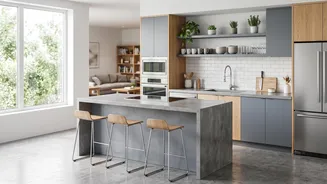
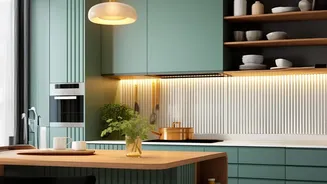
More than anything, the shared kitchen has become the modern equivalent of a campfire or a village square. It’s a ‘third place’—a social environment outside of home and work—where connections are naturally forged. In the quiet moments of making morning coffee or collaborating on an evening meal, strangers become friends. This is a core desire for Gen Z travellers, who are often seeking community and social interaction. Unlike the sterile anonymity of a hotel hallway, a communal kitchen provides a space for spontaneous conversations, the sharing of travel tips, and the formation of impromptu tour groups. For a generation that builds communities online, these physical spaces offer a chance for real-world interaction that is both unstructured and deeply valuable.
A Taste of Authenticity
Gen Z travellers crave authenticity. They want to immerse themselves in local culture, not just observe it from a tour bus. A kitchen is a direct portal to that experience. It encourages trips to local markets, navigating aisles filled with unfamiliar ingredients, and trying to replicate regional dishes. This hands-on culinary exploration offers a deeper, more memorable connection to a place than simply eating in restaurants every night. Studies show that a large percentage of Gen Z travellers choose destinations based on food. Having a kitchen allows them to engage with that food culture on their own terms, turning a simple meal into a cultural discovery. This desire for authentic, local experiences is a key reason they are drawn to accommodations that feel rooted in the community.
A Hub for a New Kind of Traveller
The rise of remote work and the 'digital nomad' lifestyle has also elevated the importance of the kitchen. For those on extended trips, a kitchen provides a semblance of routine and normalcy. It's not just about cooking; it's about having a home base. Furthermore, this generation is increasingly interested in 'slow travel' and getting to know a single place more deeply rather than hopping between tourist hotspots. A shared kitchen supports this style of travel perfectly. It’s also a space that aligns with a growing interest in wellness and conscious living, with many young travellers prioritising health and even taking 'dry vacations' where alcohol isn't the focus. The kitchen becomes a space to prepare healthy meals and ground oneself while on the road.
Rejecting the Polished Package
Ultimately, the preference for a shared kitchen is part of a broader rejection of generic, one-size-fits-all travel. This generation is wary of overly polished experiences and seeks out unique destinations that haven't been over-popularised on social media. They are moving away from the predictability of large hotel chains and toward accommodations that offer character and connection. Social hostels and co-living spaces have evolved from being just cheap places to sleep into vibrant hubs designed for interaction and community. They offer curated local activities, from cooking classes to neighbourhood tours, that align with Gen Z's desire for genuine engagement. The shared kitchen is the heart of this model, representing a travel philosophy where the people you meet and the things you do matter far more than the thread count of the sheets.